As an Amazon Associate, we earn from qualifying purchases. Some links on this site are affiliate links at no extra cost to you. Our recommendations are based on thorough research and editorial judgment.

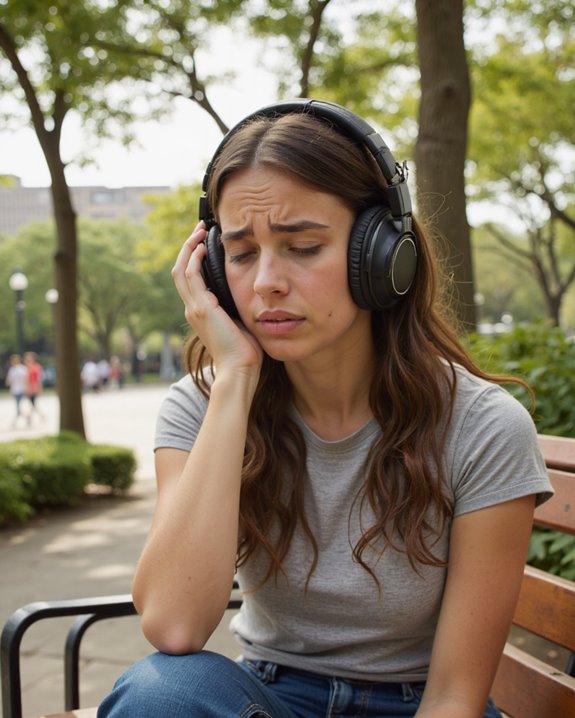
Can Excessive Use of Headphones Cause Vertigo?

Excessive headphone use can cause or worsen vertigo, especially when we use high volumes or noise-canceling features. The inner ear’s vestibular system, key for balance, may be overstimulated by loud or prolonged audio exposure, raising ear canal pressure or altering natural equilibrium. Symptoms might include sensations of spinning, tilting, or disorientation, particularly after long listening sessions. Individuals sensitive to ear pressure should use moderate volumes and limit continuous use. There’s more to uncover about safer listening practices ahead.
Key Takeaways
- Excessive headphone use, especially at high volumes, can disrupt inner ear balance and trigger vertigo in sensitive individuals.
- Noise-canceling headphones may alter ear canal pressure, increasing the risk of dizziness or vertigo for some users.
- Long listening sessions without breaks can overstimulate the vestibular system, leading to symptoms like spinning or disorientation.
- People with pre-existing vestibular or inner ear conditions are at higher risk of headphone-induced vertigo.
- Taking regular breaks and keeping volume moderate can help reduce the risk of vertigo from headphone use.
Understanding Vertigo and Its Causes
You may be interested
Although many of us might associate vertigo with a simple feeling of dizziness, it’s actually a specific medical condition rooted in disturbances of the inner ear, which is responsible for maintaining our sense of balance. The vestibular system, housed deep within the inner ear, is sensitive to changes in head position and external auditory stimuli. When inner ear issues arise—such as infections, inflammation, or disruptions in fluid movement—the balance system can malfunction, leading to vertigo’s characteristic spinning or swaying sensation. Sound pressure from headphones, especially at high volume or with excessive use, can overstimulate these delicate structures. For instance, even routine exposure to loud sound environments or improper headphone habits may precipitate dizziness and temporary disorientation, particularly in individuals already susceptible to balance disturbances.
Exploring the Link Between Headphone Use and Vertigo
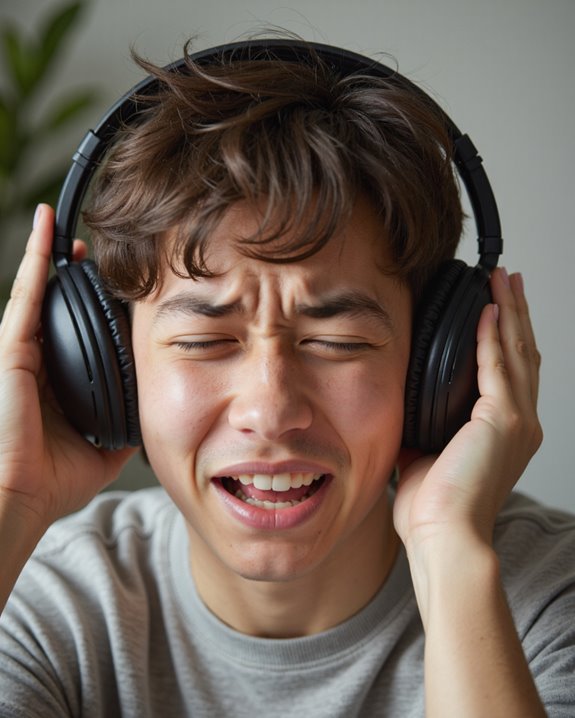
When we consider the relationship between headphone use and vertigo, it’s important to examine how sound exposure directly influences the vestibular system. The inner ear, housing both our hearing and balance mechanisms, is sensitive to pressure changes and overstimulation. Listening at high volume, especially for extended periods, can increase ear canal pressure, potentially triggering vertigo—particularly if hearing loss or pre-existing inner ear issues exist. Frequent, prolonged headphone use, including with noise-canceling headphones, may disrupt spatial awareness and contribute to dizziness or temporary vertigo in some listeners. To optimize our listening experience while minimizing risk, we should take regular breaks, use moderate volume levels, and consider looser-fitting headphones. These steps can help reduce vertigo risk and support long-term auditory and vestibular health.
The Role of Noise-Canceling Technology in Dizziness
How exactly does noise-canceling technology intersect with our sense of balance? When we use noise-canceling headphones, the tight seal they create around our ears can alter normal air pressure in the ear canal, sometimes leading to pressure in the ear and, in turn, dizziness. For some of us—especially those with pre-existing inner ear or vestibular disturbances—these pressure changes can disrupt the intricate balance system within our inner ears. Extended use of noise-canceling technology has been linked to headphone-induced vertigo in some users, with acute positional vertigo occasionally reported after prolonged listening. While most users enjoy improved hearing and balance in loud environments, it’s important to recognize that these devices can sometimes trigger vertigo, particularly in sensitive individuals.
Common Symptoms Associated With Headphone-Induced Vertigo
When we examine whether headphones cause vertigo, several common symptoms become apparent. Many of us may experience vertigo as a sensation of tilting, swaying, or spinning, especially when the volume isn’t kept at a safe level. Temporary disorientation is frequently reported immediately after removing headphones, suggesting a disruption in our balance perception. Significantly, individuals with vestibular sensitivities are more prone to heightened reactions, particularly when exposed to pronounced spatial audio effects. Ear canal pressure, manifesting as a persistent fullness or discomfort, often accompanies these vertigo symptoms. Dizziness can develop gradually during prolonged listening sessions, underscoring the value of monitoring headphone use. Recognizing these symptoms early can help us better understand our thresholds and make informed choices about our listening habits.
Practical Tips to Minimize the Risk of Vertigo
Although headphones are a convenient way to enjoy audio content, it’s essential we approach their use with strategies that safeguard our vestibular health. To minimize the risk of vertigo, let’s limit continuous listening sessions—taking breaks every 60 minutes helps prevent overstimulation of the inner ear. Keeping the volume at a safe level, ideally below 60% of the device’s maximum, considerably reduces the risk of inner ear damage and related dizziness. Opting for open-back headphones allows ambient noise, which can help minimize pressure buildup in the ear canal, decreasing potential disorientation. Those sensitive to pressure changes should avoid noise-canceling headphones, as these may exacerbate vertigo symptoms. Regularly monitor for dizziness or changes in balance, seeking medical advice if symptoms persist after headphone use. Choosing headphones with active noise cancellation can be a double-edged sword, so understanding their impact on ear pressure is important for those prone to vertigo.
Evaluating Safer Alternatives for Sensitive Listeners
Curiously, not all headphones are created equal when it comes to supporting users with sensitive vestibular systems.
Evaluating Safer Alternatives for Sensitive Listeners
For sensitive listeners, open-back headphones present a safer alternative. These models permit ambient noise to enter, reducing ear canal pressure and the risk of vertigo. By keeping the volume at a safe level—ideally below 60% of maximum—we lower the potential for inner ear damage during prolonged listening. It’s crucial to take regular breaks, such as a five-minute pause every hour, to relieve ear strain. Caution is warranted with noise-cancelling headphones; these can heighten disorientation by creating pressure changes, especially for those already prone to vestibular issues. If persistent dizziness or vertigo occurs, consulting a healthcare professional guarantees thorough evaluation and ongoing auditory health. Additionally, headphones like the NWM Wired On-Ear Speakers with PSZ Technology help reduce sound leakage while allowing environmental awareness, which may benefit sensitive users.
Frequently Asked Questions
Does Wearing Headphones Cause Vertigo?
Some frequent headphone users report balance issues or dizziness. When we experience headphone pressure in the ear canal, certain sound frequencies may trigger auditory fatigue, tinnitus risk, acoustic trauma, hearing loss, and long-term environmental isolation.
What Are the Symptoms of Too Much Headphones Use?
When we use headphones excessively, we might notice ear strain, hearing loss, increased noise exposure, balance issues, tinnitus symptoms, ear infections, auditory fatigue, and higher discomfort levels. Prolonged usage and poor headphone hygiene can worsen these symptoms.
Can Listening to Music Cause Vertigo?
When we listen to music, music induced dizziness or sound sensitivity issues can arise, especially with high volume levels. Ear health concerns include auditory overload effects, inner ear strain, acoustic shock syndrome, and prolonged listening impact, depending on headphone types—consider lifestyle adjustments.
What Happens if You Wear Headphones All the Time?
If we wear headphones all the time, we risk hearing loss, tinnitus, and long-term effects on ear health. High volume levels, poor comfort, and certain headphone types can worsen noise exposure, sound quality, and even cause balance issues.