As an Amazon Associate, we earn from qualifying purchases. Some links on this site are affiliate links at no extra cost to you. Our recommendations are based on thorough research and editorial judgment.

AM FM Headphones on Amazon: Best Picks for You

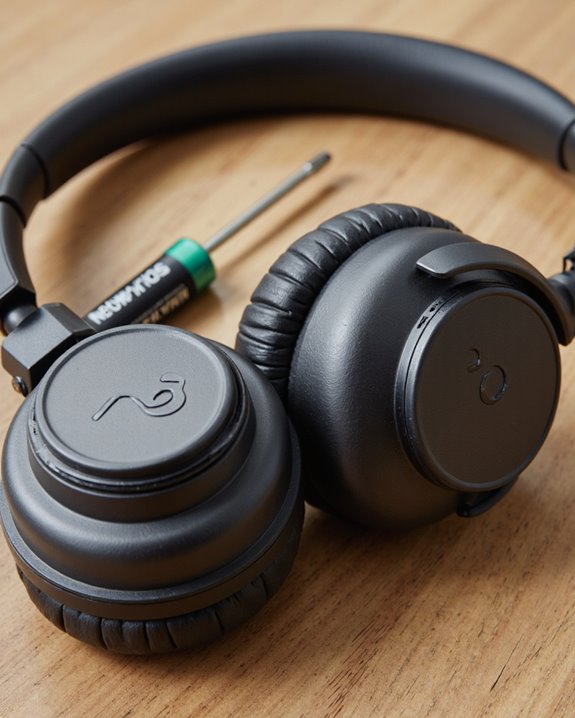
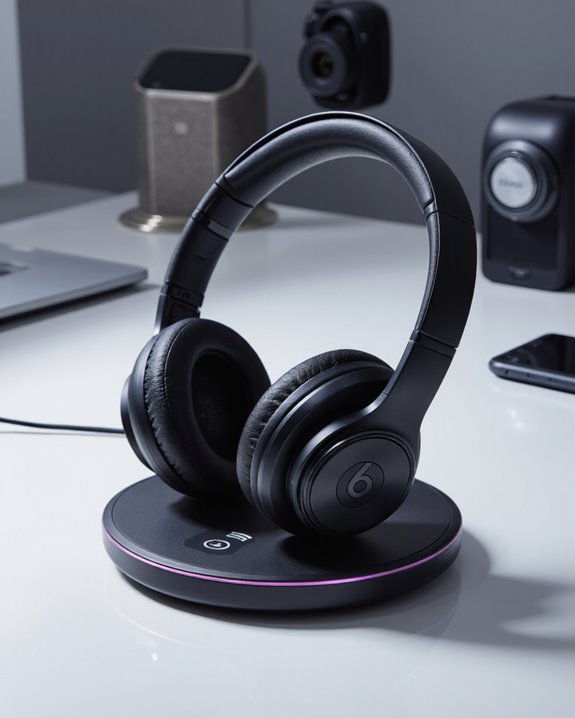
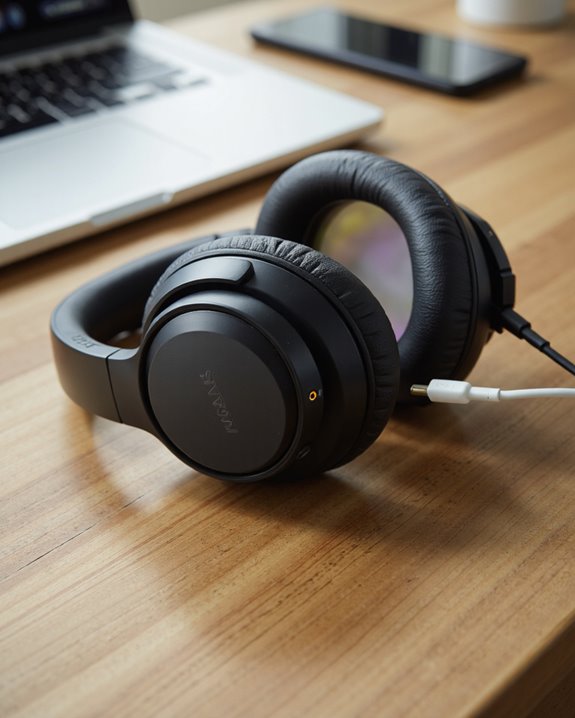
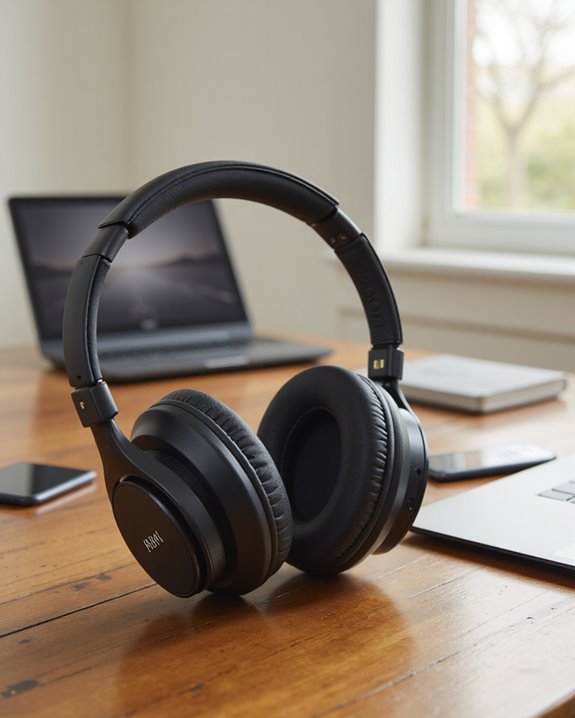
If you’ve shopped for AM/FM headphones on Amazon, you already know the listings blur together fast—same stock photos, same bullet points, same promises of “crystal clear reception.” After digging through the category myself, three names kept rising above the noise: 3M WorkTunes for anyone who needs gear that survives a jobsite, Howard Leight for dependable sound isolation on the worksite, and ZOHAN if you just want something that works without draining your wallet. What separates the good ones from the forgettable ones comes down to a handful of things: digital tuning that actually locks onto a station instead of drifting, battery life that can stretch to 42 hours on a set of AAAs, 20-station memory presets so you’re not re-scanning every morning, and increasingly, Bluetooth 5.0 for when you want to stream instead of tune in. Before you buy, it’s worth lining up noise reduction ratings side by side, checking whether the headband is actually padded for hours-long wear, and paying attention to antenna sensitivity—that last one is what determines whether you get static or a clean signal. Reviewers tend to agree on the big picture: comfort and reception quality make or break these headphones, and we’ll walk through exactly what to look for below.
Key Takeaways
- 3M WorkTunes and Howard Leight consistently earn top marks on Amazon for durability, comfort, and clean AM/FM reception.
- If budget is the priority, ZOHAN and Radio Shack deliver dependable sound and long battery runs without the premium price tag.
- Want to cut the cord? PROTEAR and Uomeod pair Bluetooth streaming with stable radio reception in one headset.
- Look for digital tuning, station presets, real noise reduction numbers, and padded headbands—these separate the keepers from the returns.
- Across hundreds of reviews, comfort, battery life, and signal consistency come up again and again as the deciding factors.
Top AM/FM Radio Headphone Brands Worth Knowing
You may be interested
Before you add anything to your cart, it helps to know who actually makes these things and what each brand tends to get right. 3M’s WorkTunes line is the one I’d point a contractor toward first—it’s built for industrial-grade abuse, and a lot of models now bolt on wireless connectivity and noise cancellation for good measure. Howard Leight by Honeywell plays in the same occupational-safety space, trading a bit on flash for genuinely solid sound quality and long-term reliability. If you’re not on a jobsite, Uomeod leans into sleeker designs and Bluetooth for everyday listening. RadioShack still covers the no-frills end of the market—affordable headsets with straightforward AM/FM tuning and presets, nothing fancy. Zohan sits nearby with budget models that still sound decent. Then there’s ProHear, which splits the difference between price and audio quality, and Muffpro and Protear, both of which lean into comfort and wireless options. Knowing these distinctions upfront saves you from comparing apples to oranges. For a fuller side-by-side, our guide to the best radio headphones breaks down top-rated models across every one of these brands.
The Features That Actually Matter
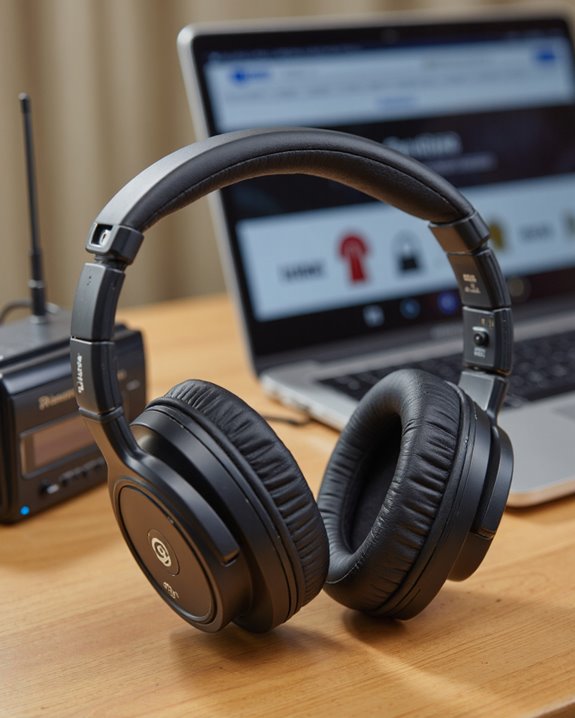
Not every spec on a product listing matters equally, but a few are worth scrutinizing closely because they shape day-to-day satisfaction more than anything else. Start with tuning accuracy—digital or direct tuning paired with a solid built-in antenna is what keeps a station locked instead of drifting into static. Preset storage is a small convenience that pays off constantly, letting you jump straight to your regulars instead of scanning the dial every time. For audio itself, look at stereo output, usable volume control, and noise protection—often handled through foam-filled ear cups paired with high attenuation. Comfort comes down to lightweight, ergonomic construction, and durability comes down to the materials underneath the plastic shell. Battery life matters more than people expect: extended runtime, a low-battery warning, and flexible power options (AA/AAA cells or USB) all make a real difference over months of use. A few nice-to-haves round things out—a 3.5mm jack for external input, auto power-off so you’re not swapping batteries constantly, voice guidance, and a wide operating temperature range for outdoor use.
Solid AM/FM Headphones That Won’t Break the Bank
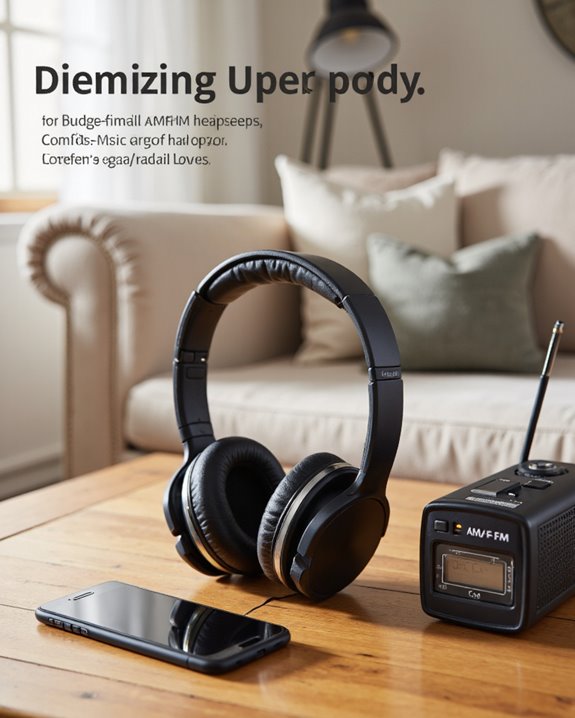
You don’t need to spend big to get dependable radio reception, and the budget end of this category has come a long way. Walker AM/FM Radio Headphones are a standout here—clear sound and a consistent signal without the premium markup. The Radio Shack AM/FM Stereo Headset goes further on paper, offering up to 42 hours of playback on AAA batteries, an LCD display, and 20 station presets, which is genuinely impressive for the price point. ZOHAN and WULFPOWERPRO both deliver clear reception with lightweight, adjustable headbands and simple tuning dials—nothing complicated, just reliable. PROTEAR adds Bluetooth into the mix at a modest price bump, which is worth it if you want the flexibility. Across nearly all of these budget picks, you’ll find the same basics: built-in antennas, stereo channels, and 3.5mm jacks, all aimed at getting you clean, distortion-free listening without the premium price tag.
Best Wireless AM/FM Headphones Right Now

If you want the freedom to move around and switch between radio and streaming audio, wireless AM/FM headphones are worth the extra look. Most current models now pack in Bluetooth 5.0 or newer, which means stable connections and crisp sound whether you’re tuned into a broadcast or streaming from your phone. The best part is how seamlessly they switch between the two—some units even handle both sources at once without a hiccup. Battery life has genuinely improved too; top models now push past 70 hours per charge with efficient standby modes that don’t bleed power when you’re not listening. Add in noise reduction, safe volume limits, and digital tuning displays, and these headphones start to feel like a real upgrade over wired basics. Folding designs and adjustable fit round things out, making them practical whether you’re at a desk, on a jobsite, or just walking around the block.
Comfort: What Actually Keeps Headphones On Your Head for Hours
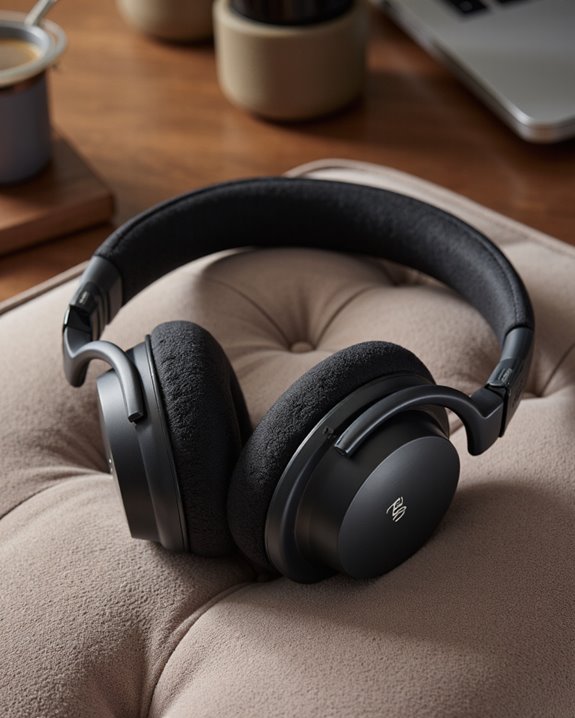
Comfort isn’t a footnote here—it’s the whole ballgame if you’re wearing these for a full shift or a long weekend project. The better models use adjustable, padded headbands built from lightweight ABS plastic or metal blends, which cuts down on pressure points and neck strain over time. Some go further with flexible, self-adjusting headbands or suspension systems that mold to your head shape and spread the weight more evenly. On the ear cushion side, memory foam and hypoallergenic materials create a gentler seal that doesn’t turn your ears into a sauna after an hour. Breathable, replaceable cushions extend the usable life of the headphones, too—a detail that’s easy to overlook until your original pads wear out. Auto-positioning ear cups and adjustable hinges help the headphones actually fit your head rather than a generic mold, which also improves passive noise blocking. The best designs manage all of this while keeping a streamlined profile and easy-to-reach controls, so comfort doesn’t come at the expense of usability.
Noise Isolation vs. Active Noise Cancellation
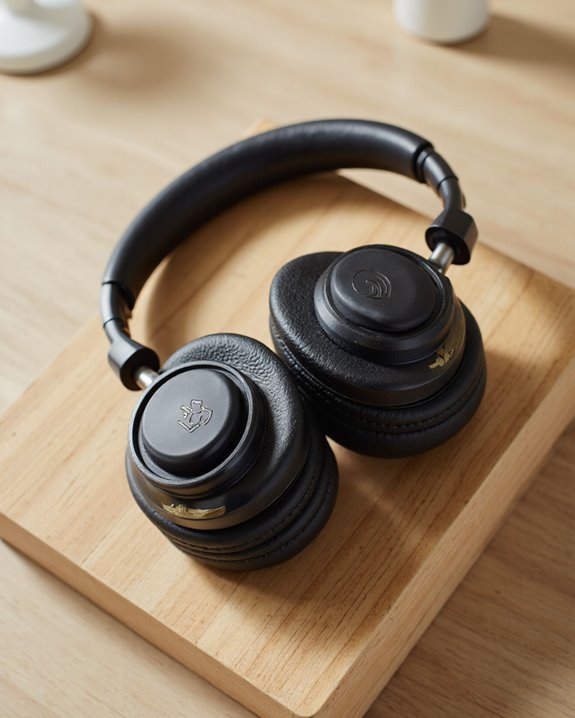
Clear audio only gets you halfway there—if you can’t block out the noise around you, none of that clarity matters. Noise isolation works the old-fashioned way: physical barriers like foam or leather ear cushions that simply block sound from reaching your ears. The PROHEAR 027 AM FM Radio Headphones, for instance, carry a 25dB Noise Reduction Rating, which is enough to make them genuinely useful on a construction site. Active noise cancellation takes a different approach entirely, using microphones to detect ambient sound and cancel it out electronically—it shines against constant, low-frequency noise like engine hum, but does less for sudden, high-frequency sounds. Passive isolation, by contrast, tends to handle those higher frequencies better. A growing number of premium models now combine both approaches for more complete noise reduction. If ANC is what you’re really after rather than passive blocking alone, our guide to the best noise cancelling headphones covers models built specifically for that job. Adjustable ANC settings and sturdier materials round out the picture on higher-end options.
How These Headphones Hold Up Over Time
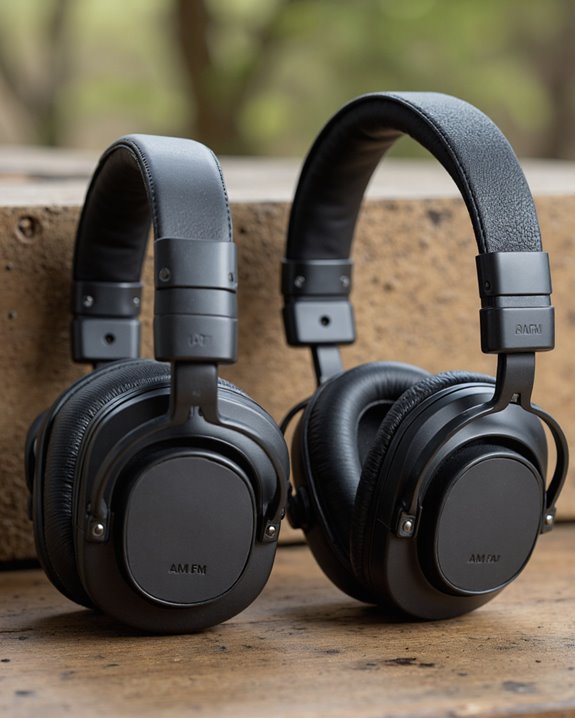
If you’re using AM/FM headphones on a construction site or in an industrial shop, durability isn’t optional—it’s the whole point. Material choice matters most here: the 3M WorkTunes and Dewalt DPG15 both lean on heavy-duty plastics, reinforced steel, and impact-resistant housings built to take a beating. Structural integrity gets a boost from cushioned ear pads, adjustable headbands, and padded reflective bands, which handle comfort and visibility at the same time. Manufacturers regularly put these through durability testing, and the better models hold up well against long-term wear. Water resistance shows up occasionally, though it’s still the exception rather than the rule. What stands out most in user reviews is the long-term functionality—easy battery replacement, honored warranties, and headphones that keep working long after the return window closes.
Signal Reception: Where the Rubber Meets the Road
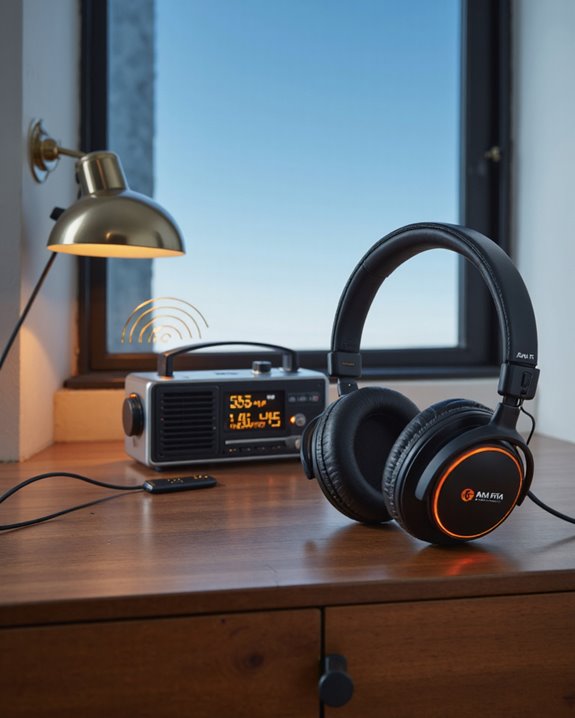
All the comfort and build quality in the world won’t matter if the headphones can’t actually pull in a clean broadcast. Signal clarity comes down to a handful of technical factors: internal or external antenna design, receiver sensitivity, and how sophisticated the tuning system is. FM generally sounds better, but it’s also pickier—buildings, trees, and other obstructions can chip away at reception fast. AM trades that fragility for range, though you’ll trade off static and interference, especially once you’re in a dense urban area. Digital tuning paired with noise reduction circuitry helps keep things stable and cuts down on drift, even if you’re moving around while listening. Auto-scan functions, signal strength indicators, and proper shielding all add up to a more usable experience day to day. In the end, the models that get this right combine strong antenna design with precise tuning—that combination is what separates a headset that works everywhere from one that only works in your backyard.
What Buyers Actually Say After Using Them
Scrolling through Amazon reviews for this category tells its own story about what people actually value once they’ve had these headphones in hand for a while. Leading models like the 3M Worktunes and Muffpro typically land between 4.0 and 4.5 stars, which is a solid track record for this price bracket. Noise reduction tends to track closely with higher satisfaction scores, and comfort paired with battery life shows up again and again as the deciding factor in positive reviews—comfort especially gets mentioned constantly. Lesser-known brands show far more scatter in their ratings, often reflecting inconsistent durability or sound quality from unit to unit. The most common complaints center on signal reception in low-signal areas, plus wear issues with headbands or cushions over time. Extras like Bluetooth and MP3 playback generally get positive mentions, though how reliably they work varies quite a bit depending on the brand.
Frequently Asked Questions
Can I Replace the Batteries in AM/FM Headphones Myself?
Yes, in most cases—it depends on the battery type and model, but generally you’re looking at a simple disassemble, swap, reassemble process. Just double-check compatibility first and follow basic safety guidelines when handling the battery compartment.
Are AM/FM Headphones Safe to Use While Jogging Outdoors?
They can be, but they also reduce your awareness of what’s happening around you—traffic, cyclists, other runners. If you jog with them, keep volume low, stay aware of visual obstructions, and check local laws before heading out with anything covering your ears.
Do AM/FM Headphones Require a License to Operate?
No. There’s no special licensing needed for personal or workplace use—just the usual expectation that you follow general safety and consumer protection standards like any other electronic device.
How Do I Clean and Maintain My AM/FM Headphones?
Unplug or power off first, then wipe down with a soft cloth and a mild cleaning solution—nothing harsh. A quick daily dusting, regular inspection for wear, and storing them somewhere cool and dry will keep them working properly for years.
Are There Kid-Friendly AM/FM Headphone Models Available?
Not really, and that’s worth knowing before you buy for a child. Most models on the market skip volume-limiting features and kid-sized ergonomics entirely, so if you’re shopping for a young listener, plan on close parental supervision regardless of which model you pick.