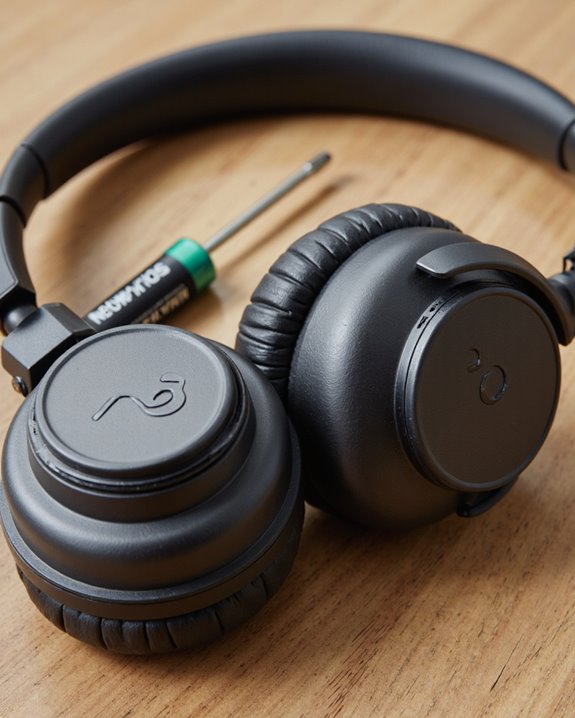
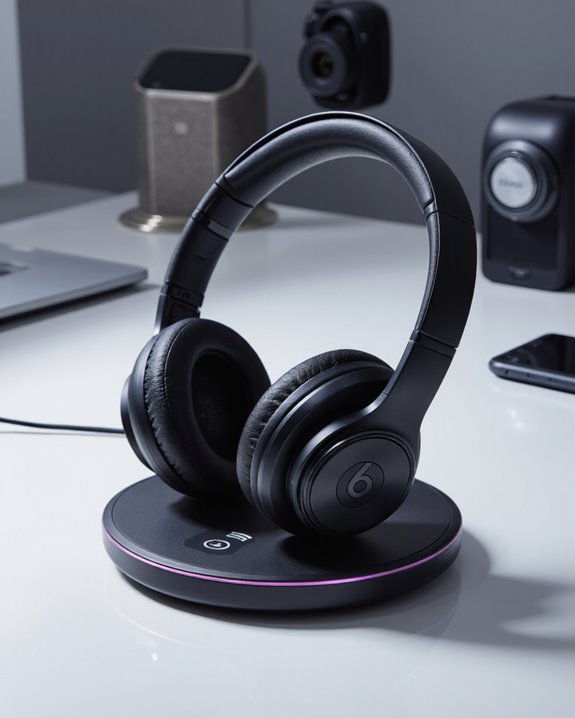
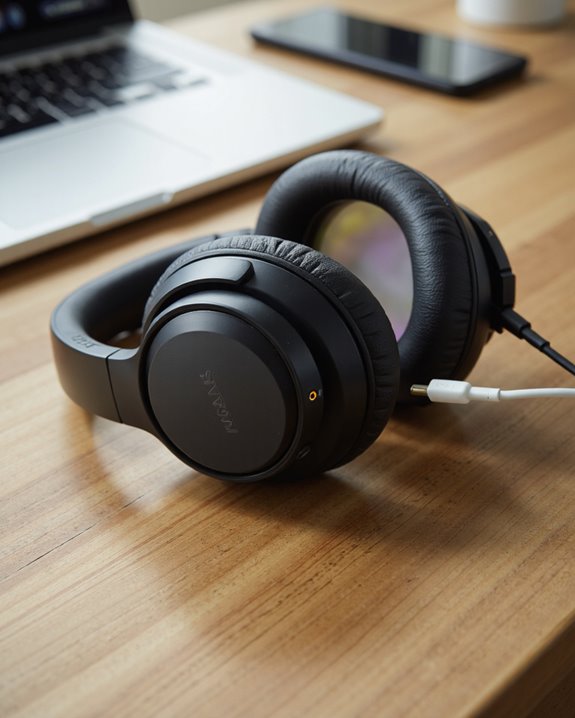
As an Amazon Associate, we earn from qualifying purchases. Some links on this site are affiliate links at no extra cost to you. Our recommendations are based on thorough research and editorial judgment.

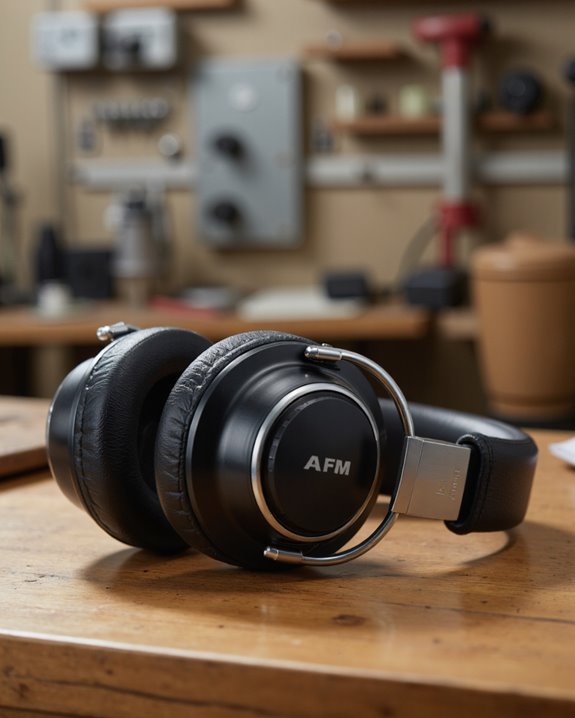
AM FM Hearing Protection Headphones: Safe Listening Solutions

Walk onto any job site or duck hunting blind and you’ll spot them: bulky earmuffs with a little antenna sticking out, a tiny dial for tuning, maybe a Bluetooth icon blinking on an LCD screen. AM/FM hearing protection headphones aren’t a gimmick – they’re earmuffs first, radios second, and the good ones nail both jobs. The best models sit in the 25dB to 30dB NRR range, meet ANSI and CE safety standards, and still let you tune in a ballgame or stream a podcast over Bluetooth without cranking your ears past a safe volume. I’ve tried enough of these to know the difference between a pair that actually protects you and one that just looks the part – it usually comes down to earcup padding, headband tension, and whether the battery gauge tells the truth. Below, I break down what separates a genuinely useful pair from a novelty item, plus how to keep whichever one you buy running for years.
Key Takeaways
- A solid pair of AM/FM hearing protection headphones pairs real noise reduction – up to 30dB SNR – with a working radio, so you’re not sacrificing safety for entertainment.
- The LCD screen matters more than people think; a clear read on channel, battery, and time saves you from fumbling with buttons mid-task.
- Foam earcups and a properly adjustable headband are what make an 8-hour shift bearable – skimp here and you’ll regret it by lunch.
- Bluetooth and a 3.5mm AUX jack cover you either way, whether you’re pairing a phone or plugging into an existing radio setup.
- A little routine upkeep – wiping them down, checking the foam, storing them properly – adds real months (sometimes years) to the life of the unit.
What Actually Makes a Good Pair of AM FM Hearing Protection Headphones
You may be interested
What separates a great pair from a mediocre one? Start with the protection itself – that’s non-negotiable. The strongest models on the market hit a 30dB noise reduction rating and are certified to ANSI S3.19 and CE EN352-1, so you’re not just trusting a marketing claim. From there, look at the radio: built-in AM/FM tuning that can store up to 20 stations per band means you’re not re-scanning every time you switch tasks. An LCD display keeps battery level, channel, and time visible at a glance, which matters a lot when you’re wearing gloves in a loud shop. Comfort is where a lot of pairs fall apart over a long shift, so soft foam ear cups and a headband that actually adjusts to your head shape are worth checking before you buy. Some newer units add Bluetooth for wireless streaming, and nearly all still keep a 3.5mm AUX port as a backup. Put those pieces together and you get something that protects your hearing without making you feel cut off from the world around you.
The Different Flavors of Electronic Hearing Protection
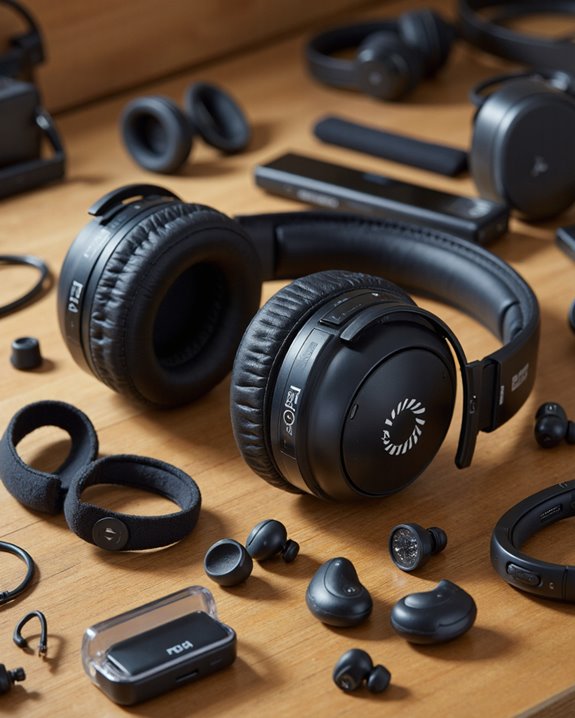
AM/FM models are just one slice of a much bigger category. Electronic hearing protection spans several distinct designs, each built for a different kind of noisy environment. There’s the classic AM/FM protector with an LCD display and decent tuning – the type most people picture first. Bluetooth-equipped pairs have gotten a lot more common, letting you pair with a phone or a two-way radio without giving up any protection. Communication headsets go a step further, built for crews who need to talk to each other constantly in a high-noise zone. Then there are environmental listening headsets, which let ambient sound through when it’s safe and automatically clamp down the moment noise spikes to a dangerous level – genuinely clever engineering. Intrinsically safe headsets are the specialists here, rated for explosive or flammable atmospheres where a stray spark from faulty electronics isn’t an option. And finally, there are the entertainment-focused pairs built for people who mostly just want music or an audiobook while still keeping their ears safe on the mower or the range.
Where These Headphones Actually Earn Their Keep

Electronic hearing protection headphones have quietly become standard gear across a surprising number of industries – construction crews, heavy manufacturing floors, and law enforcement all lean on the digital versions for both safety and communication. A 25dB-30dB NRR is the real workhorse range here, offering enough attenuation to make all-day exposure manageable rather than damaging. The digital display earns its keep in these settings too, since glancing at battery and channel info beats stopping mid-task to fumble with buttons. Add in Bluetooth and radio functionality and you get a pair that keeps morale up during repetitive work, not just protection. Even outside industrial settings – think weekend landscaping or yard work – the same combination of foam earcups, an adjustable headband, and solid attenuation makes these headphones useful well beyond the factory floor.
How to Pick the Right Pair for You
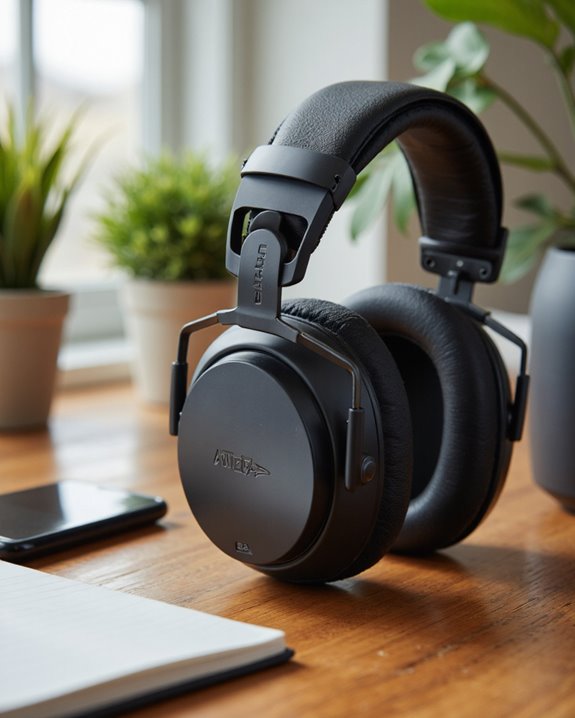
Picking the right hearing protection headphones comes down to matching the specs to how you’ll actually use them, not just grabbing the top-rated option. Start with the noise reduction rating (NRR) – the PROHEAR 027, for instance, sits at a 25dB NRR, which is plenty for most loud environments. A digital display is worth prioritizing too; it’s a small feature until you’re mid-task and need to check battery life without pulling the headphones off. Comfort deserves equal weight – an adjustable headband paired with soft foam earcups is the difference between wearing these for twenty minutes versus an entire workday. Functionality-wise, check whether the unit stores multiple AM/FM stations and includes a 3.5mm AUX port for plugging in outside devices. User ratings are a useful reality check too – a model sitting at 4.5 out of 5 stars has usually earned it. If you want a deeper side-by-side, our guide to the best hearing protection headphones is a good next stop for narrowing things down.
Keeping Them Working: Care and Maintenance
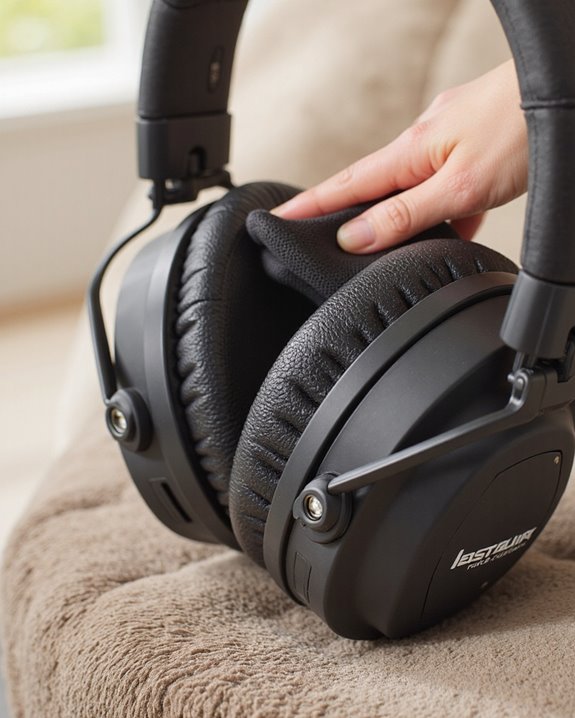
Once you’ve settled on a pair, the work isn’t quite done – a little maintenance goes a long way toward getting your money’s worth.
Care and Maintenance
Get in the habit of checking for cracks or worn spots every so often; catching wear early keeps the protection intact. Foam ear cushions typically wear out somewhere between 6 and 12 months of regular use, and swapping them out on time keeps both comfort and noise reduction where they should be. Store the headphones somewhere clean and dry – extreme heat or cold isn’t kind to the electronics or the battery. Most units can handle a bit of sweat or a light drizzle, but don’t mistake that for waterproof; treat them accordingly in wet conditions.
Cleaning and Storage
A damp cloth with warm, soapy water is really all you need – skip the harsh chemicals, since they can eat away at the materials over time. Stick to this routine and you’ll get noticeably more life out of the headphones, both in comfort and in raw performance.
How the Popular Models Actually Stack Up
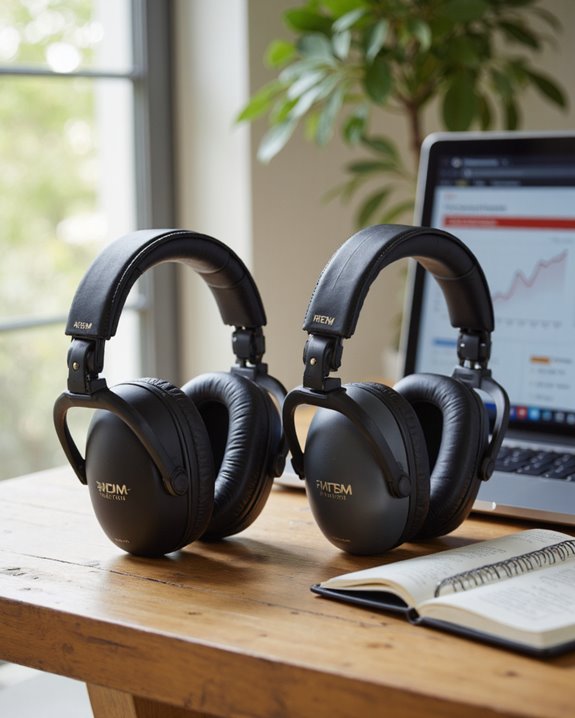
Specs only tell you so much – real-world ratings tell you what actually holds up. In the AM/FM Radio Headphones category, the 3M WorkTunes Hearing Protector leads the pack with a 4.6 out of 5 rating across 2,462 reviews, which says a lot about its noise reduction, comfort, and sound quality holding up under actual use. The PROHEAR 027 isn’t far behind at 4.5 stars from 96 users, backed by dependable Bluetooth and solid protection. The ZOHAN EM042s comes in at 4.3 from 82 reviews – a bit lower, but still well-regarded for comfort and attenuation. The AM/FM Radio Headphones with Digital Display hold a steady 4.5-star average across 614 ratings, a solid track record at scale. And if wireless is your priority, the ISOtunes AIR DEFENDER gets good feedback at $79.99, though its review count is smaller, so weigh that accordingly.
Frequently Asked Questions
Are Radio Headphones Safe?
Generally, yes – as long as the noise reduction tech is solid and you’re not cranking the volume for hours on end. Compared to plain headphones, they tend to deliver better sound quality while still supporting hearing loss prevention in loud environments, provided you follow basic volume guidelines.
What Kind of Headphone Can You Use to Protect Your Ears From the Noise?
Look for something with real noise-cancelling or noise-reduction performance and a fit that’s comfortable enough to keep on. Staying within safe sound exposure limits matters just as much as the gear itself, especially if you’re out at a range or a loud outdoor event for hours.
Does Electronic Hearing Protection Work?
It does, and the reason is straightforward: electronic noise cancellation combined with smart sound amplification actually does what it claims. It helps workplaces meet safety regulations, keeps communication clear on the job, and doubles as a solid recreational option. If you’re weighing options beyond dedicated safety gear, our roundup of the best noise cancelling headphones covers everyday models built around the same underlying technology.
Can You Use Headphones as Hearing Protection?
Regular headphones with noise cancellation help, but they’re not a real substitute for dedicated hearing protection – the seal and attenuation just aren’t built the same way. It’s worth weighing comfort, sound quality, and how much time you’ll spend in loud conditions before treating any headphone as your primary defense.