As an Amazon Associate, we earn from qualifying purchases. Some links on this site are affiliate links at no extra cost to you. Our recommendations are based on thorough research and editorial judgment.

Philips Headphones Buying Guide: Which Models Are Actually Worth It

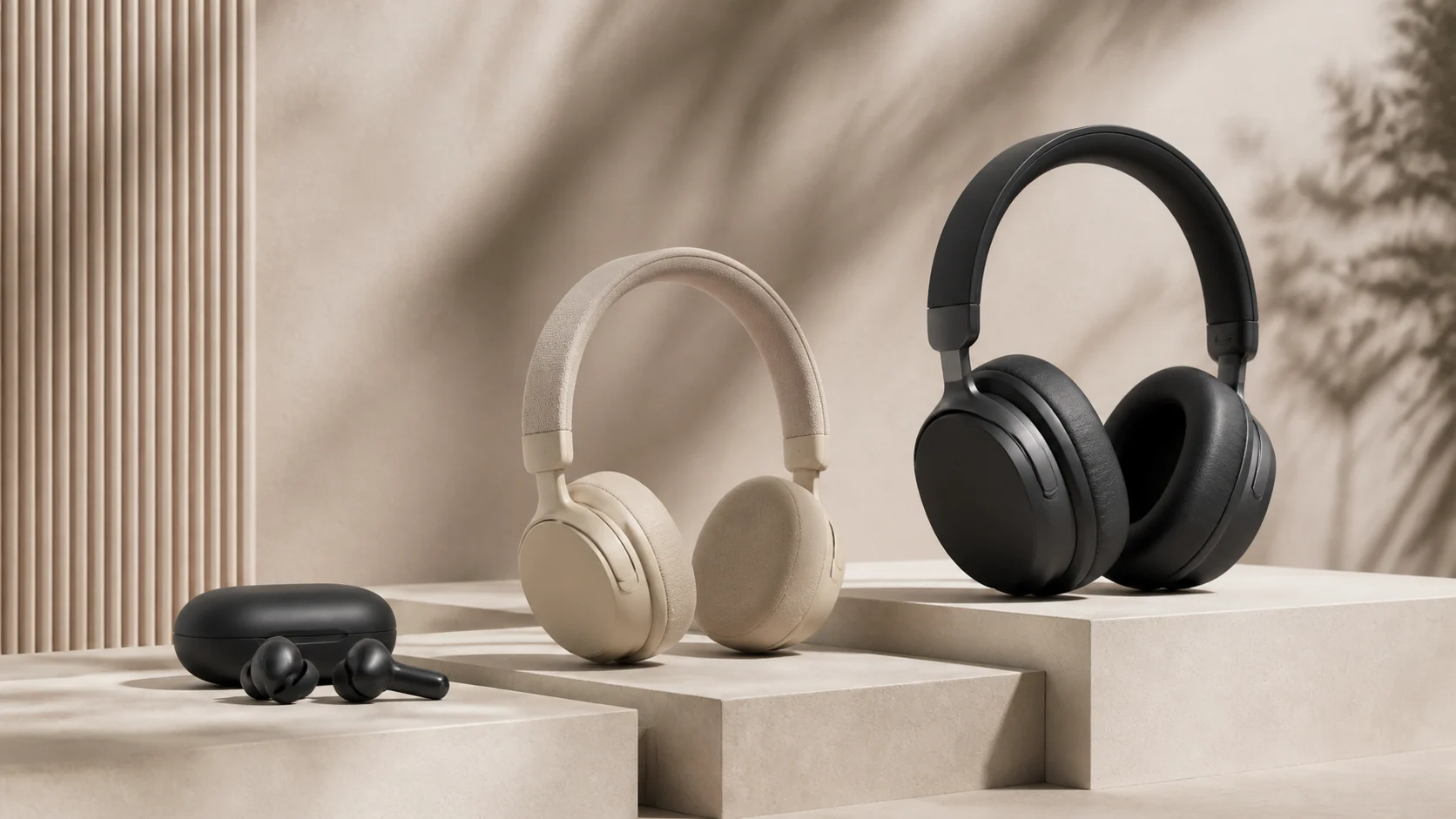
You’re standing in front of a headphone display, or scrolling through search results at midnight, and Philips keeps popping up. Not Sony, not Bose, not the usual suspects everyone recommends by default. Philips has been building speakers and audio gear since before most headphone brands existed, and its Fidelio and TAH lines quietly punch above their price tags. The problem is Philips doesn’t market itself the way Sony or Apple does, so its lineup can feel scattered: budget on-ears, a legendary open-back studio pair, flagship noise-cancelling cans, and true wireless earbuds that don’t always get the spotlight they deserve. This guide breaks down what Philips actually makes, which models earn their price tag in 2026, and where the brand falls short against the names you already know.
You may be interested
Sale

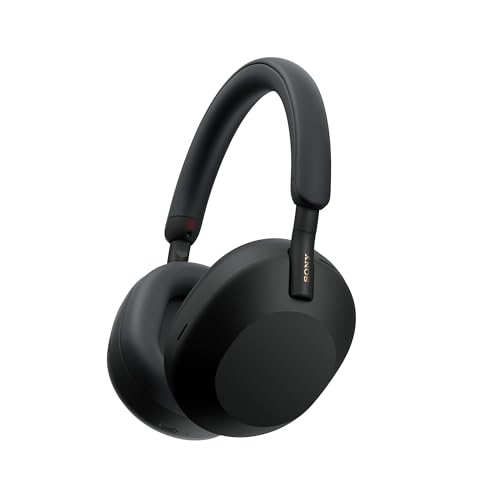
Sony WH-1000XM5 Premium Noise Cancelling Wireless Headphones, Black
- PREMIUM NOISE CANCELLATION: Two processors control 8 microphones for unprecedented noise cancellation. With Auto NC Optimizer, noise canceling is automatically optimized...
- MAGNIFICENT SOUND: Engineered to perfection with the new Integrated Processor V1.
- CRYSTAL CLEAR HANDS-FREE CALLING: 4 beamforming microphones, precise voice pickup, and advanced audio signal processing.

Sale


Bose QuietComfort Ultra Bluetooth Headphones, Wireless Headphones with Spatial Audio, Over Ear Noise...
- SPATIAL AUDIO HEADPHONES: Bose QuietComfort Ultra Headphones with spatial audio give you an immersive experience that makes music feel more real; CustomTune technology...
- NOISE CANCELING HEADPHONES: These wireless noise cancelling headphones feature Quiet Mode, Aware Mode and Immersion Mode, which combines full noise cancellation and Bose...
- HEADPHONES WITH MIC: Microphones focus on the sound of your voice and the bluetooth headphones with microphone filter out background noise for the clearest phone calls of...
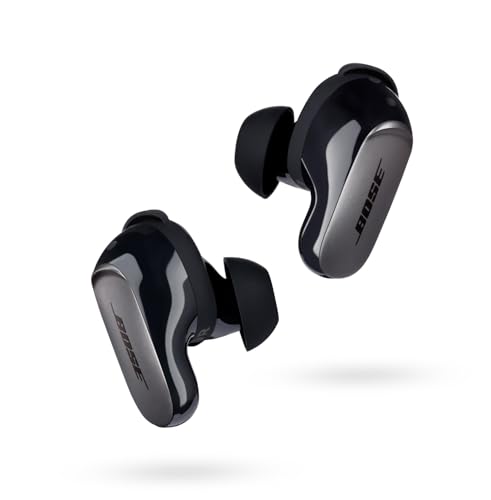
Bose QuietComfort Ultra Bluetooth Earbuds, Wireless Earbuds with Spatial Audio and World-Class...
- SPATIAL AUDIO EARBUDS: Tap into a deeply immersive listening experience that places the audio directly in front of you and makes your music feel more real than ever...
- NOISE CANCELLING EARBUDS: CustomTune technology analyzes each ear and adapts sound so the active noise cancellation offer a premium listening experience that’s custom...
- COMFORTABLE EARBUDS: Swap between nine soft eartips and stability bands to find the perfect fit that feels snug and comfortable for those extra-long listening sessions
Why Philips Headphones Fly Under the Radar
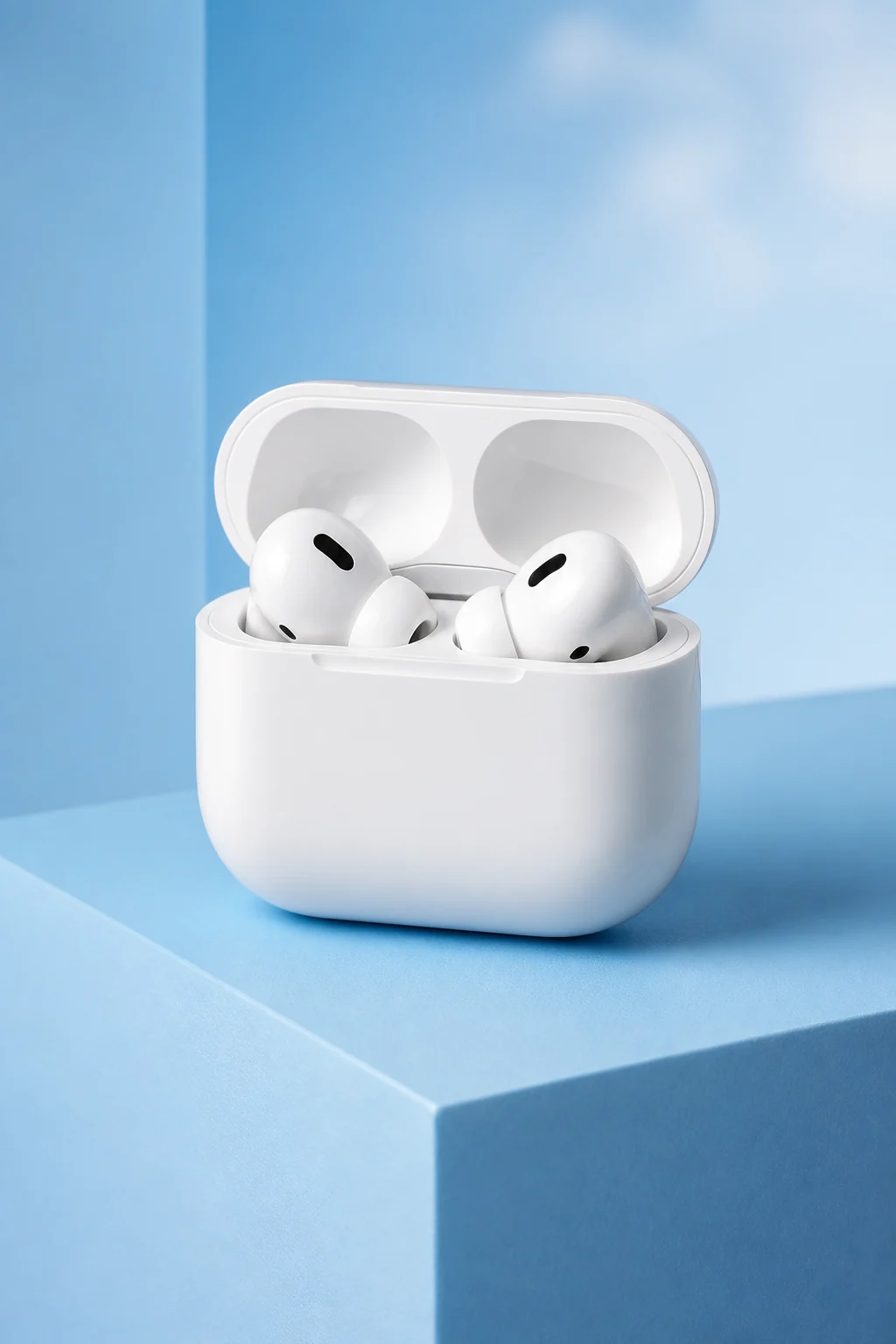
Philips is a Dutch electronics company that has been in the audio business for over a century, but in the U.S. it is better known for shavers, light bulbs, and TVs than for headphones. That is a marketing gap, not a product gap. Fidelio, Philips’ audiophile-focused sub-brand, has produced headphones that get real respect on gear forums, and the budget SHP series has become a go-to first recommendation for people building a listening setup on a tight budget.
What you get with Philips is a company that still designs its own drivers rather than rebadging generic parts, and pricing that usually sits a notch below what Sony, Bose, or Sennheiser charge for a comparable spec sheet. The tradeoff is a smaller app ecosystem, less brand-name noise-cancelling polish at the very top end, and support documentation that can be thin online. If you already know what kind of headphone you want and don’t need a huge companion app with a dozen EQ presets, Philips is worth cross-shopping.
Philips Fidelio L4: The Flagship Noise-Cancelling Pick
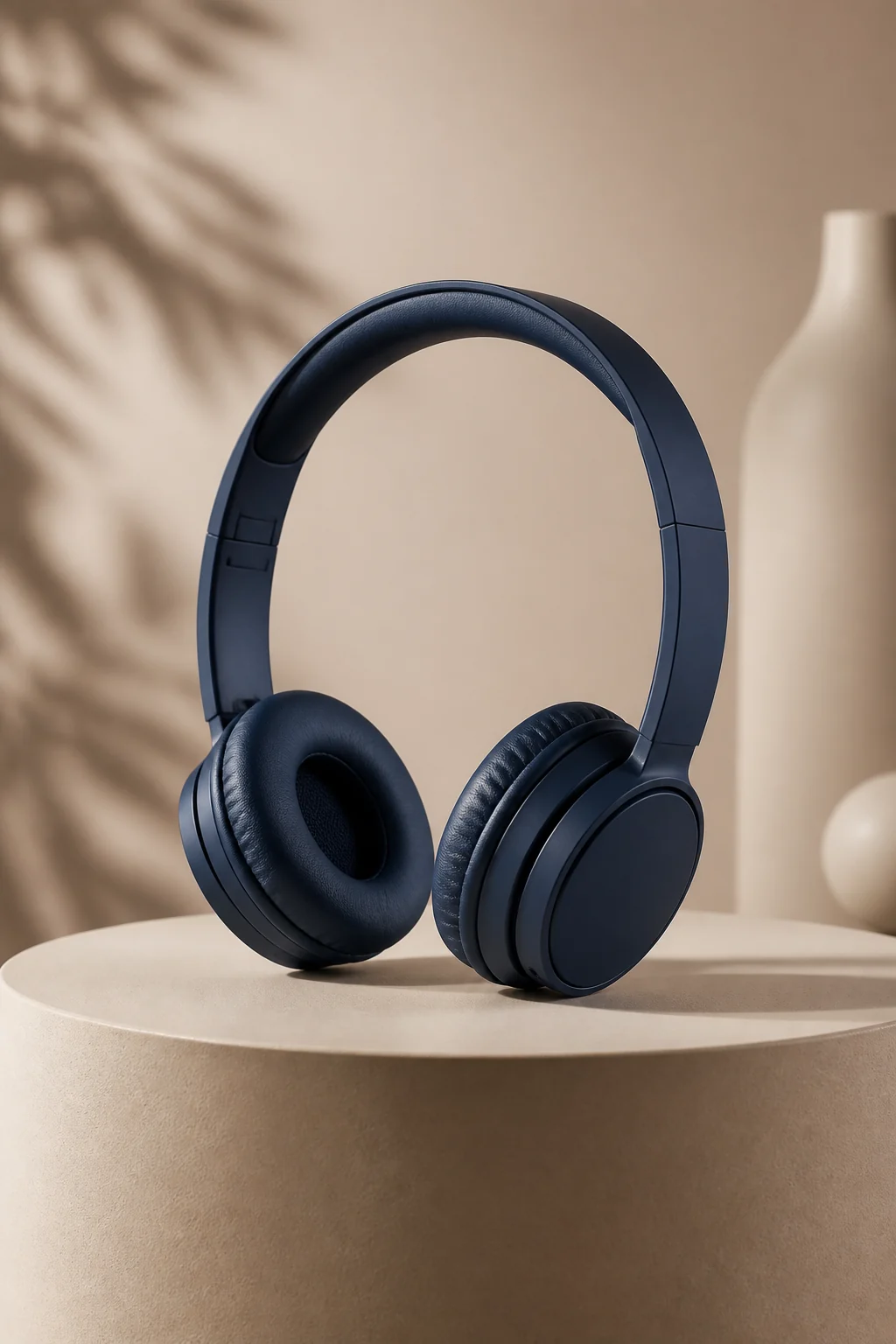
The Fidelio L4 is Philips’ answer to the Sony WH-1000XM5 and Bose QuietComfort Ultra. It launched at $349.99 and has since settled closer to $299 at most retailers. The headline feature is Noise Canceling Pro+, an adaptive ANC system that adjusts to ambient noise in real time, plus graphene-coated dynamic drivers that Philips says improve detail retrieval over standard mylar diaphragms.
Battery life is genuinely strong: 40 hours with ANC on, 50 hours with it off, and a 15-minute quick charge gets you roughly 14 more hours. That beats the XM5’s 30-hour ANC figure by a wide margin. Reviewers at What Hi-Fi describe the sound as rich, warm, and confident, with boosted bass that suits hip-hop and EDM and a midrange that stays clear and agile with good instrument separation. Set next to the Sony WH-1000XM5, though, the L4 comes up a bit less refined, and the ANC has a noticeably higher noise floor. Wind and sudden loud sounds can still slip through where the Sony stays dead quiet.
Build quality has a few soft spots worth knowing about before you buy. The headband padding feels a little thin for a flagship price, clamping force is on the loose side so the headphones can shift during a jog or a bus ride, and the earpads run warm on longer sessions. Some early units also had firmware-related Bluetooth disconnection issues, which Philips addressed in a later update. If you want the single best all-around Philips headphone and don’t need best-in-class ANC, the L4 is the pick. If ANC is your top priority and price is no object, the Sony XM5 still edges it out.
Philips Fidelio X3: The Open-Back Cult Favorite
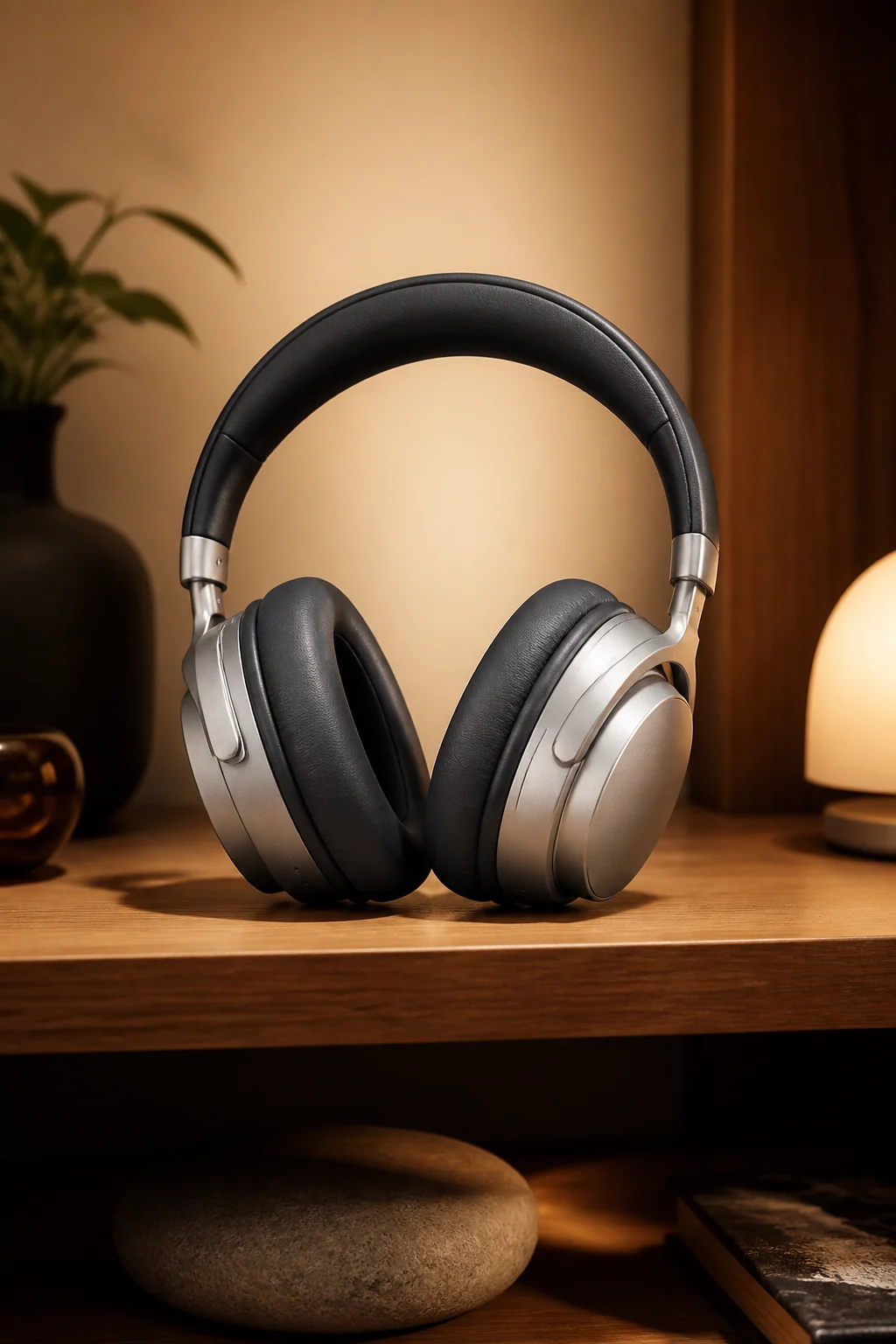
The X3 is a wired, open-back over-ear headphone aimed at home listening, not commuting. Open-back means the earcups have vented backs rather than sealed ones, which lets sound leak out (and outside noise leak in) in exchange for a wider, more natural soundstage than a sealed pair can produce. It launched at $349 and has been found discounted to well under $200, and some retailers list it as discontinued or limited stock, so availability varies.
Under the hood are 50mm dynamic drivers built in a three-layer design, tilted 15 degrees inside double-layered earcups, sitting on memory foam pads. At 307 grams it is on the heavier side for a headphone you’ll wear for a two-hour album session, but the weight is spread evenly enough that most listeners don’t notice after the first ten minutes. Trusted Reviews called the sound expansive and hi-res-capable, with detailed, well-controlled bass and a bright top end that avoids harshness. The midrange is described as alive to fine, transient detail, the kind of texture you notice on acoustic recordings and live albums.
The catch: this headphone is unforgiving of bad source material. Feed it a compressed MP3 or a low-bitrate stream and it sounds noticeably worse than a cheaper, less resolving headphone would. It comes with two 3-meter cables, one ending in a 2.5mm balanced jack and one in a standard 3.5mm jack, so you’ll want a dedicated headphone amp or a DAC-equipped source to get the most out of it. This is a headphone for a quiet room and a good music library, not for the office or the train.
Philips SHP9500: The Budget Open-Back Everyone Recommends
If the X3 is out of budget, the SHP9500 is the headphone audio forums point beginners toward instead, and it has held that reputation for over a decade. It uses the same 50mm driver size as the X3, rated at 32 ohms impedance, with a claimed frequency response of 12Hz to 35kHz, and it ships with a detachable 3-meter cable. It typically sells in the $60 to $80 range depending on retailer and stock.
What makes it a repeat recommendation isn’t flashy build materials. It’s a lightweight plastic and metal frame, velour earpads, and a steel headband, nothing that feels premium in the hand. What it delivers is a genuinely open, airy sound signature with a wide soundstage and a relatively neutral tonal balance for the price, which is rare below $100. At 32 ohms it’s easy to drive straight from a phone dongle or laptop headphone jack, unlike some higher-impedance open-backs that need an amp to sound their best. The tradeoffs are the ones you’d expect at this price: no case, exposed drivers that leak sound in both directions, and a fit that some larger heads find a bit tight out of the box, though the headband tends to loosen with use.
Philips Fidelio T1 and T2: True Wireless Earbuds
Philips’ flagship true wireless earbuds are aimed at people who want earbud convenience without giving up too much sound quality. The T1 uses a hybrid driver setup, a 10mm dynamic driver paired with a balanced armature, and launched around £249.99 (roughly $250 at the time). Battery life is rated at 34 hours total with ANC on (9 hours in the buds, 25 more from the case) and 48 hours with ANC off, though Trusted Reviews found real-world use ran down faster than the spec sheet suggests, with medium-volume listening draining the buds to 50% in about three hours.
The T2 is the newer, slimmer sibling, built around a smaller 9.2mm dynamic driver plus balanced armature combo, with roughly similar battery figures near 9 to 10 hours per charge and about 27 to 30 hours total with the case. Stuff.tv describes both earbuds’ sound as warm and energetic, with deep bass that some listeners will find a bit much and a treble that’s a touch soft compared to competitors at the same price. ANC on both models is described consistently across reviews as adequate rather than class-leading: it handles steady low-frequency rumble, like a bus or subway, reasonably well, but higher frequencies and sudden noise spikes get through more than they do on a Sony WF-1000XM5 or Bose QuietComfort Earbuds. If audiophile-leaning tuning in an earbud form factor matters more to you than best-in-class ANC, either model is worth an audition. If ANC is the deciding factor, look elsewhere first.
Philips TAH4209 and the 4000 Series: Budget Everyday Headphones
For a lot of shoppers, the real question isn’t which flagship to buy, it’s which cheap pair won’t fall apart in six months. The TAH4209 is Philips’ answer: a lightweight, foldable on-ear wireless headphone built around 32mm drivers, weighing about 160 grams (5.6 ounces), with Bluetooth 5.3 and multipoint support so it can stay paired to two devices, like a laptop and a phone, at once. It typically sells in the $30 to $40 range, making it a direct alternative to entry-level JBL and Anker Soundcore on-ears.
The standout spec here is battery life: Philips rates it at up to 55 hours of playback, which is unusually high for a sub-$40 headphone, plus a 15-minute quick charge for about 2 hours of use. It runs on a 600 mAh battery and charges over USB-C, a detail that matters more than it should given how many budget headphones still ship with micro-USB in 2026. The companion app adds a Dynamic Bass toggle and a low-lag mode for watching video. Sound quality won’t compete with anything on this list above it, comfort is fine for shorter sessions rather than all-day wear, and the plastic build feels exactly like what you’d expect at this price. But as a backup pair, a kid’s headphone, or a travel spare you won’t cry over losing, it does its job.
How the Lineup Compares
| Model | Type | Price (approx.) | Driver | Battery Life | Best For |
|---|---|---|---|---|---|
| Fidelio L4 | Over-ear, wireless, ANC | $299–$350 | Graphene-coated dynamic | 40 hrs (ANC on) / 50 hrs (off) | All-around flagship, travel, commuting |
| Fidelio X3 | Over-ear, wired, open-back | Under $200 (discounted; limited stock) | 50mm dynamic, 3-layer | N/A (wired) | Home listening, critical listening |
| SHP9500 | Over-ear, wired, open-back | $60–$80 | 50mm dynamic, 32 ohm | N/A (wired) | Budget audiophile entry point |
| Fidelio T1 | True wireless earbuds, ANC | ~$249 at launch | 10mm dynamic + balanced armature | 34 hrs (ANC on) / 48 hrs (off) | Detailed sound in an earbud form factor |
| Fidelio T2 | True wireless earbuds, ANC | Mid-range (varies by retailer) | 9.2mm dynamic + balanced armature | ~27–30 hrs (ANC on, with case) | Slimmer fit, warm bass-forward tuning |
| TAH4209 | On-ear, wireless | $30–$40 | 32mm dynamic | Up to 55 hrs | Budget daily driver, backup pair |
Common Questions About Buying Philips Headphones
Are Philips headphones as good as Sony or Bose?
For pure sound quality per dollar, Philips regularly competes with or beats Sony and Bose, especially in the open-back and mid-range wired categories. Where Philips consistently falls behind is ANC refinement and app polish. The Fidelio L4’s noise cancelling is good, not great, and its Bluetooth app doesn’t offer the depth of customization Sony’s Headphones Connect app does. If ANC quality is your top priority, budget for a Sony or Bose. If sound signature and value are what you’re optimizing for, Philips deserves a serious look.
Do I need an amp for the Fidelio X3 or SHP9500?
The SHP9500’s 32-ohm impedance means it plays reasonably loud straight from a phone or laptop, though it sounds noticeably better with even a modest USB DAC/amp. The X3 benefits more from dedicated amplification given its higher power demands and the balanced cable option included in the box, so pairing it with even an entry-level desktop DAC/amp is worth the extra $50 to $100 if you’re taking it seriously.
Is the Fidelio X3 still available new?
Availability has been inconsistent. Some retailers list it as discontinued or show limited stock, while others still carry it at discounted prices. If you find one in your size and color at a fair price, it is still one of the better open-back values around; just don’t count on it being restocked once it sells out.
Related headphone guides
- Nothing Ear Buds: Are They Worth It?
- JLab Earbuds: Are They Any Good?
- HyperX Cloud Series Gaming Headset Comparison: Which Model Is Actually Worth Buying
- Are Sony Headphones Good for Gaming?
- Are Gaming Headphones Good for Listening to Music?
- Marshall Headphones Review Roundup: Which Model Actually Deserves Your Money