As an Amazon Associate, we earn from qualifying purchases. Some links on this site are affiliate links at no extra cost to you. Our recommendations are based on thorough research and editorial judgment.

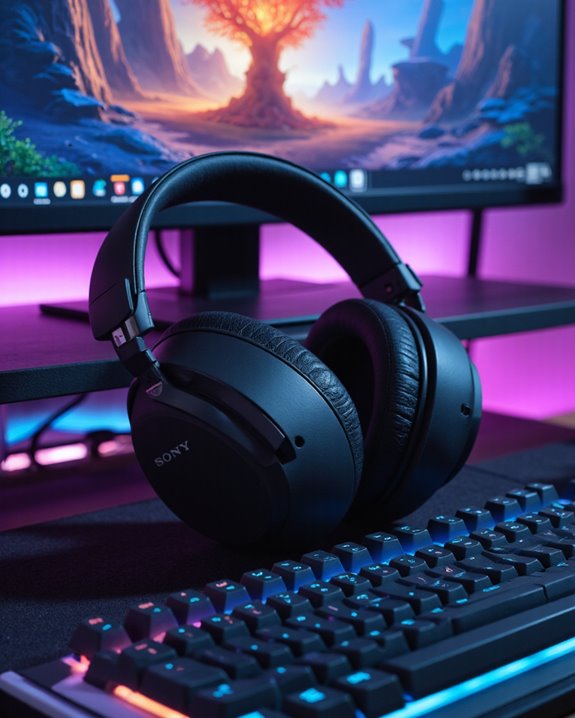
Are Sony Headphones Good for Gaming?

Short answer: yes, are Sony headphones good for gaming? In most cases, absolutely — and better than a lot of dedicated gaming headsets costing the same money. I’ve spent hours with the INZONE H9 and the WH-1000XM4 side by side with “real” gaming headsets, and Sony’s strength is obvious the moment footsteps start creeping up behind you in a shooter. The INZONE H9 uses 360 Spatial Sound to place enemies with genuine precision, the active noise cancellation is strong enough to shut out a noisy household, and battery life stretches up to 37 hours on some models. At 9.1 ounces, the INZONE H5 barely registers on your head after a three-hour raid. Add AI-assisted microphones that keep your voice clean during callouts, flexible wired-or-wireless hookups for console and PC alike, and pricing that undercuts plenty of gaming-specific brands, and you’ve got a legitimate alternative. Keep reading — I’ll break down exactly where Sony earns it and where it falls a bit short.
Key Takeaways
- Spatial audio on Sony’s better models genuinely helps you locate enemies and cues in-game, not just “sound nice.”
- Noise cancellation and passive isolation are strong enough to cut out real-world distractions during long sessions.
- The lightweight builds and cushioned ear cups mean marathon sessions don’t leave your head aching.
- Microphones lean on AI noise reduction, so teammates hear you, not your keyboard or your dog.
- Long runtimes, fast top-ups, and fair pricing make these a smart buy whether you play casually or competitively.
Sound Quality: How Sony Headphones Actually Perform in Games
You may be interested
Specs on a page only tell half the story, so let’s talk about what these headphones actually sound like mid-match. The INZONE H9 is the standout here: its 360 Spatial Sound does a convincing job of pinpointing footsteps, gunfire, and other in-game movement, which is a real edge in anything competitive. Dual sensor noise-canceling tech quiets the room around you so those cues don’t get lost in the noise. Models like the WH-1000XM4 and ULT WEAR let you dial in custom sound profiles through the Sony | Sound Connect app, so a bass-heavy shooter and a dialogue-heavy RPG don’t have to sound the same. The mid-range is balanced, the bass has punch without being sloppy, and battery life climbing to 37 hours means you’re not babysitting a charging cable during a weekend binge. Sony headphones often feature advanced noise cancellation that blocks up to 99.99% of ambient noise, which only sharpens that immersive feel further.
Comfort During Long Gaming Sessions
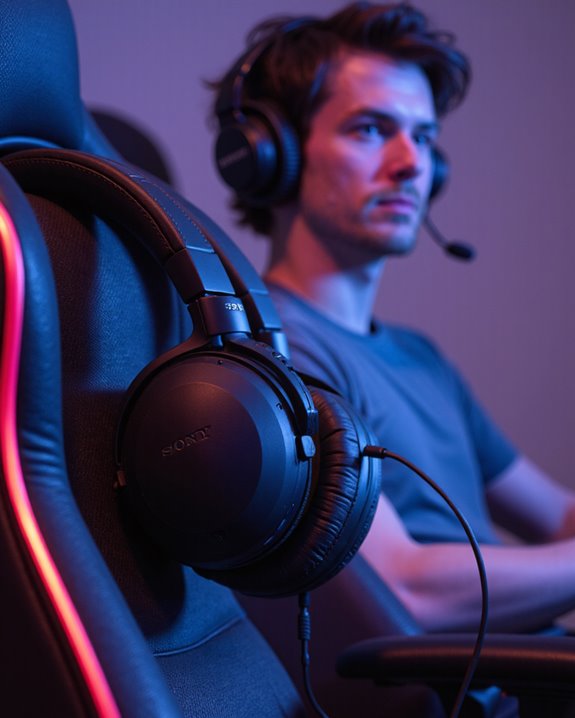
Nobody wants to rip off their headset after two hours because their ears are throbbing — comfort matters as much as sound here, and Sony clearly designs around that. The WH-1000XM3 and WH-1000XM5 use lightweight frames and plush foam ear cups that hold up over long stretches without clamping down painfully. The INZONE H5 tips the scale at just 9.1 ounces, and paired with soft cups, it disappears on your head during a long session in a way heavier headsets don’t. Sony also builds in adjustable controls on models like the INZONE H9, so comfort doesn’t come at the cost of usability — you can still reach volume and mic mute without fumbling. It’s no surprise user satisfaction scores consistently praise Sony’s comfort, since that’s clearly where a lot of engineering time went. The WH-1000XM4 even adds ear pads shaped for glasses wearers, plus full ear enclosure and pressure relief technology that glasses-wearing gamers in particular will appreciate.
Noise Isolation and Active Noise Cancellation
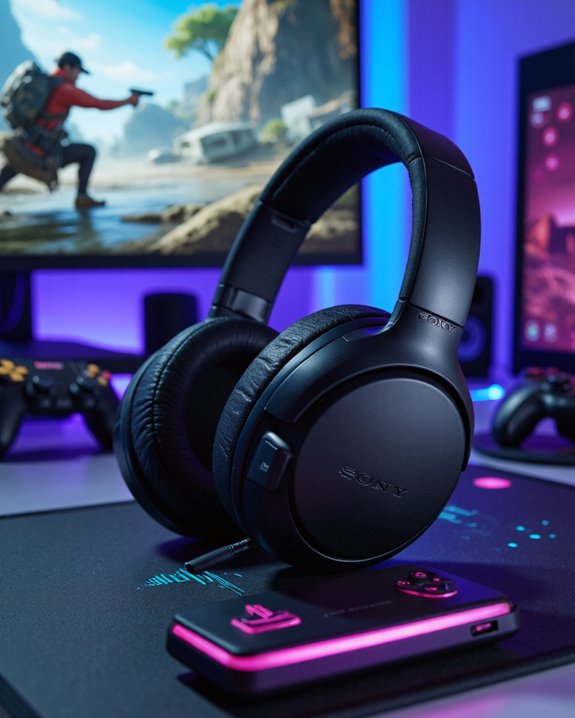
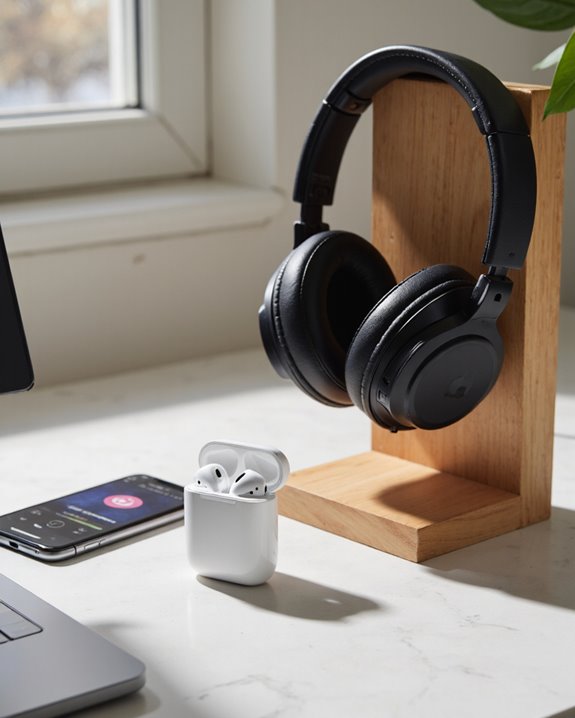
Great audio doesn’t mean much if a barking dog or a noisy roommate keeps breaking your concentration — this is where ANC earns its keep. The WH-1000XM4 remains Sony’s benchmark, cutting low-frequency ambient noise so effectively that it’s still referenced as a gold standard years later. The INZONE H9, built specifically for gaming, packs Dual Sensor Noise Canceling Technology that trims environmental noise even further, which matters more than people expect once you’re deep in a ranked match. If ANC isn’t a priority, the WH-CH520 Wireless leans on solid passive isolation and a balanced sound signature instead. The ULT WEAR also offers real ANC, though it doesn’t quite match the WH-1000XM4 — it’s better suited to bass-forward titles where isolation is a nice-to-have rather than the whole point. For gamers who’d rather skip over-ears entirely, the Apple AirPods Pro 2 bring their own advanced noise cancellation and Spatial Audio, worth a look if in-ear is more your style.
Microphone Clarity: Will Your Team Actually Hear You?
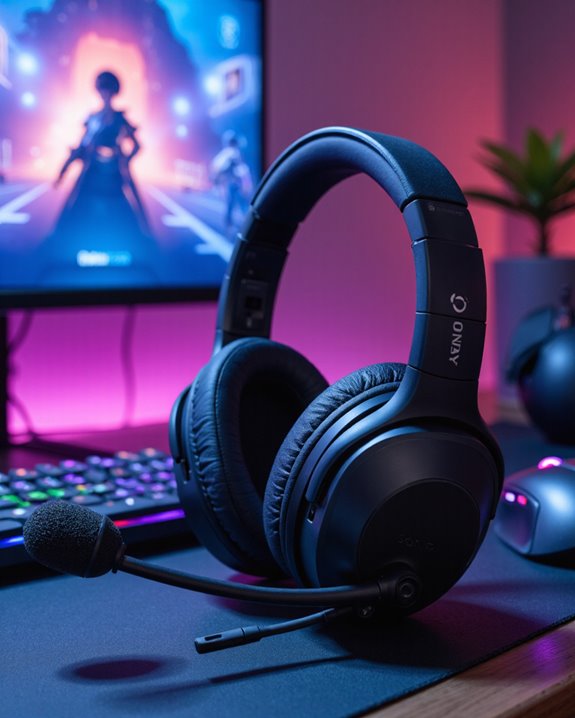
A great-sounding headset means little if your callouts come through garbled — mic quality is where a lot of headphones-turned-gaming-headsets fall apart, but Sony’s INZONE lineup takes it seriously. The H9’s flip-to-mute mic is a simple, satisfying bit of hardware design, and its AI-powered noise reduction strips out background clutter so your voice stays intelligible in the middle of a firefight. That matters most in competitive lobbies, where a garbled callout can cost the round. Dual Bluetooth connectivity is another nice touch, letting you jump into a phone call or a separate voice chat without pausing your session. Both the H9 and H5 also let you fine-tune mic gain through the INZONE Hub, so you’re not stuck with whatever default level the headset ships with.
Wireless vs. Wired: Which Connection Suits Your Setup?
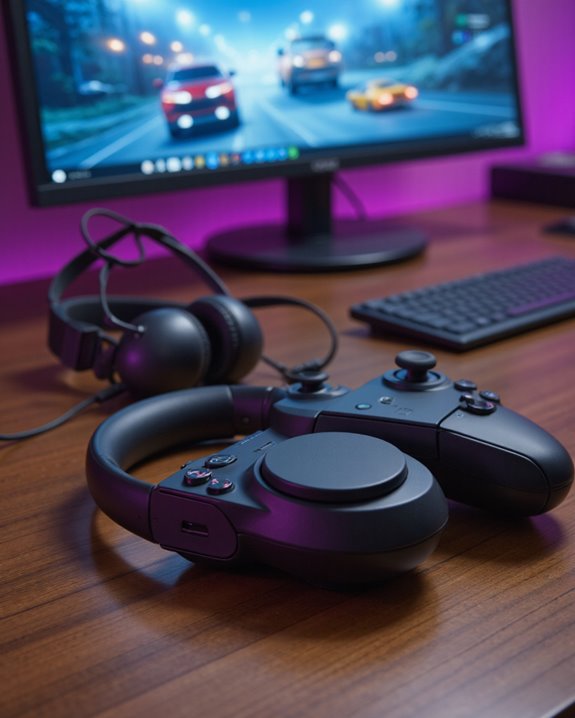
This is one of those decisions that comes down to what kind of gamer you are. Go wireless with something like the INZONE H9 and you get dual Bluetooth connectivity — pairing to your PC and your phone at once — plus the freedom to walk away from your desk mid-loading screen. The INZONE H5 pushes battery life to roughly 32 hours, ditches cable clutter entirely, and still includes noise cancelling tech similar to what you’ll find on the WH-1000XM4, which helps immersion when things get chaotic on screen.
Wired is the other path, and it’s not without its own appeal. The WH-1000XM3 over a cable gives you lower latency and rock-solid, consistent audio — the kind of margin that matters in a title where reaction time decides the outcome. There’s also no battery anxiety with a cable; plug in and play, no charge-cycle math required.
Customization and Software Support
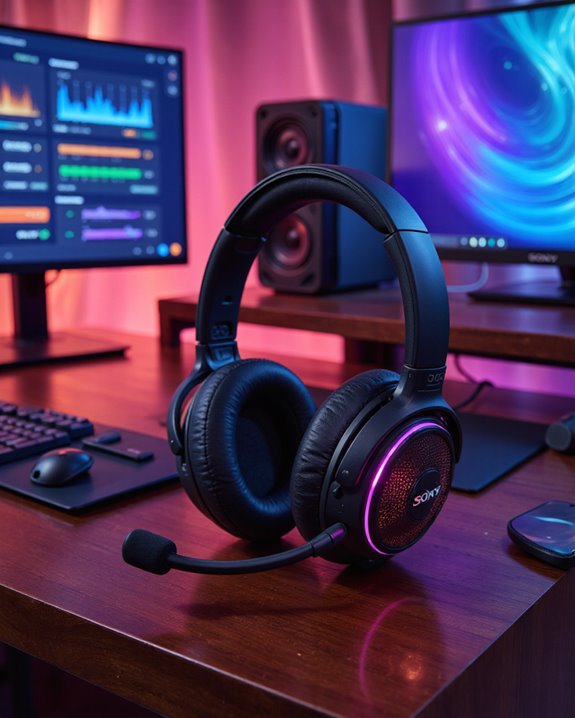
Wireless or wired aside, how much control you get over the sound itself often decides whether a headset feels tailor-made or just adequate.
Sony leans hard into this with the INZONE H9, which runs through the INZONE Hub software for deep EQ tweaking, spatial audio adjustments, and mic settings. That kind of granular control lets you build a listening profile suited to whatever you’re playing, which matters more than most marketing copy admits. The H9 also keeps its dual Bluetooth connectivity intact even while you’re deep in the settings menu, so switching between PC and phone never costs you your custom profile. The WH-1000XM4 and WF-1000XM5 extend the same idea through the Sony | Sound Connect app, with saved sound profiles you can swap on the fly. And Sony keeps pushing firmware updates, so these headsets tend to get better rather than stagnate after purchase.
Sony vs. Dedicated Gaming Headsets: Which Wins?
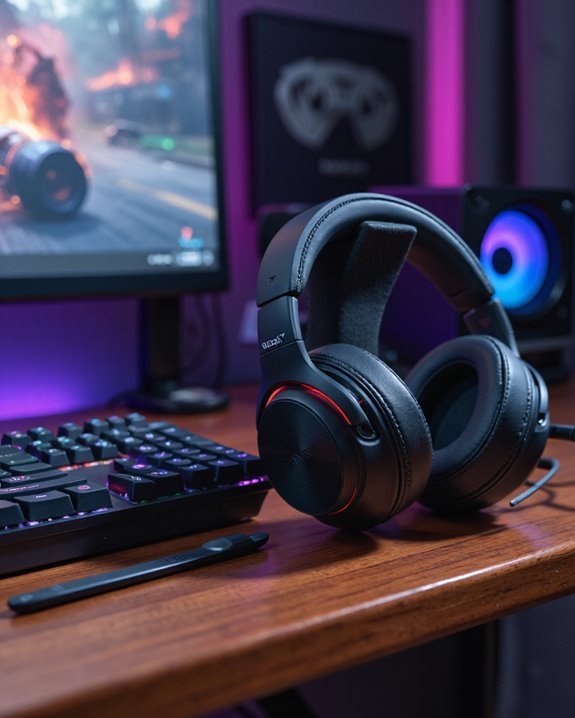
Purpose-built gaming headsets bring things Sony doesn’t bother with — boom mics, RGB lighting, dedicated hardware buttons — but Sony plays a different game entirely, leaning on high-fidelity audio chops built for headphones first and gaming second. The WH-1000XM4 and WH-CH520 both deliver sound quality and customizable EQ that most gaming-branded headsets can’t match, and that versatility carries over into everyday listening once you close the game. The INZONE H9, with its noise canceling and 360 Spatial Sound, closes the gap on immersion and positional awareness that gaming headsets usually claim as their turf. On comfort and battery life, Sony often wins outright — up to 37 hours of playback is hard to beat. So if you want gimmicky extras, go gaming-branded; if you want cross-device usability and headphones you’ll actually reach for outside of gaming too, Sony makes a strong case.
Best Sony Models for Console and PC Gaming
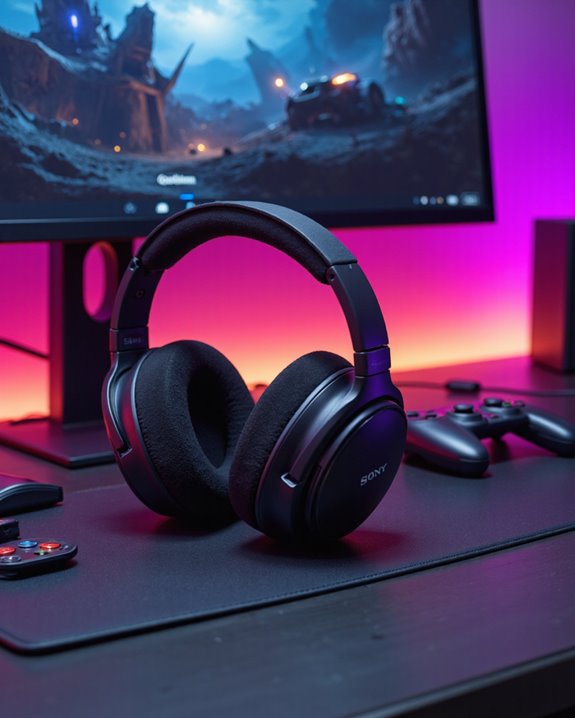
Picking the right Sony model comes down to matching features to your platform and playstyle. The INZONE H9 Wireless Headset is the purpose-built gaming pick, offering 360 Spatial Sound for precise positioning and dual sensor noise canceling that keeps distractions to a minimum — a strong option for competitive play on PC or PS5. Its Ambient Sound Mode also lets you dial back the isolation when you need to hear someone walk into the room. If you’d rather go with a more all-purpose headphone, the WH-1000XM4 brings industry-leading dual sensor noise canceling and customizable sound profiles that work equally well for gaming and everyday listening. Bass-hungry players will like the ULT WEAR, while the WH-CH520 trades noise canceling for a lighter build and longer wireless stamina.
Battery Life and Charging: Will You Make It Through a Session?
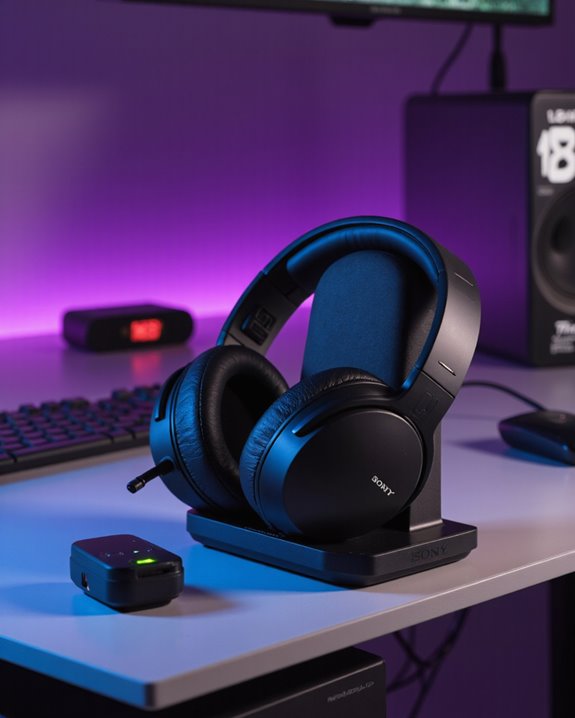
Audio quality gets all the attention, but running out of juice mid-raid is its own kind of frustrating, so battery performance deserves real weight in this decision. The INZONE H9 delivers up to 32 hours per charge, which comfortably covers a long weekend of gaming without a top-up. The more budget-friendly INZONE H5 isn’t far behind, holding its own across marathon sessions and everyday use alike. Quick charging is the other half of the equation — a short plug-in gets you several hours back, so a five-minute charge before a match isn’t wasted time. The WH-1000XM4 pairs strong battery life with the same wireless convenience, making it just as viable for gaming marathons as for daily commutes. Numbers shift model to model, but the pattern holds: Sony consistently prioritizes runtime and fast recharging across its lineup.
Price-to-Performance: What You’re Actually Paying For
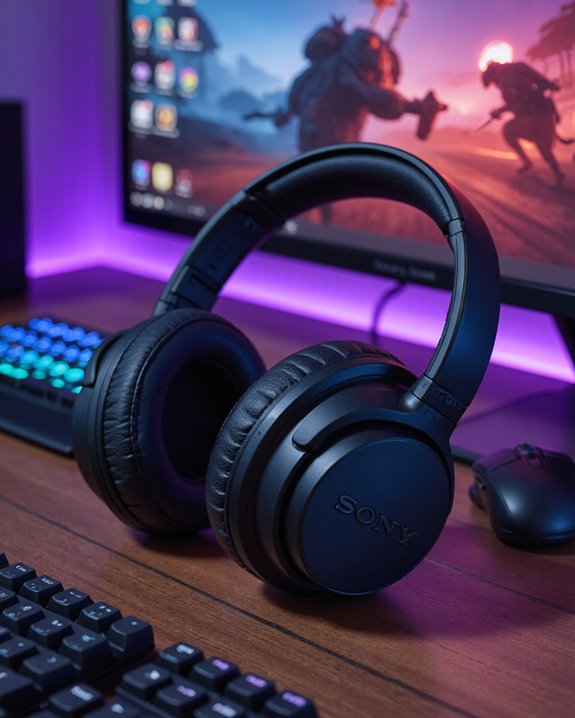
Sony’s lineup covers a wide price spread, and value holds up at both ends. The INZONE H5 lists at $149.99, and it’s frequently discounted down to $129.99, putting solid gaming audio within reach of anyone on a budget. Step up to the INZONE H9 at $299 and you’re paying for real technology — 360 Spatial Sound and Dual Sensor Noise Canceling — that justifies the jump for players who want the full immersive package. Both models run 32 to 40 hours on a charge, so you’re not constantly tethered to an outlet. Add in the fine-tuned sound profiles from the INZONE Hub software and dual Bluetooth on the H9 for switching between devices on the fly, and it’s easy to see why these numbers hold up well against pricier gaming-specific brands.
Frequently Asked Questions
Are Sony Headsets Good for Gaming?
Overall, yes. Between the audio quality, comfort over long sessions, low-latency wireless connections, and noise cancellation, Sony holds its own against dedicated gaming brands — and often wins on price versus what you actually get.
Is the Sony WH-1000XM4 Good for Gaming?
It’s a strong pick for casual and even semi-competitive play — the sound quality, noise cancellation, wireless range, comfort, and battery life all check out. Where it stumbles a bit is the microphone, which isn’t quite sharp enough for serious multiplayer callouts.
What Type of Headphones Are Best for Gaming?
Leave the old wired earbuds in the drawer — muffled gunfire helps nobody. Look for solid wireless range, genuine comfort over long sessions, immersive sound, a mic that actually holds up under pressure, and noise cancellation, then weigh all of that against the price tag.
Can I Use the Sony WH-1000XM5 for Gaming?
Sure can — comfort, battery life, sound isolation, and connectivity are all there. Just know that audio latency and mic quality can be a step behind dedicated gaming headsets, which matters most if you’re playing competitively and need split-second communication.