As an Amazon Associate, we earn from qualifying purchases. Some links on this site are affiliate links at no extra cost to you. Our recommendations are based on thorough research and editorial judgment.

Are Beats Headphones Still Popular in 2026?

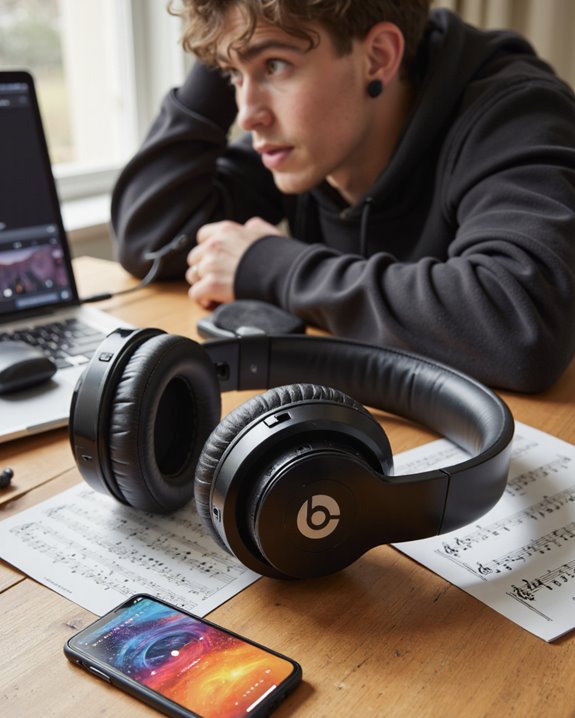
So, are Beats headphones still popular in 2026? Short answer: yes, and honestly more than a lot of audio purists want to admit. I’ve watched this brand get written off as a fashion accessory more times than I can count, yet it keeps selling because it does a few things really well – solid noise cancellation, dependable Bluetooth 5.0 connectivity, and an almost frictionless handoff with anything made by Apple. The Studio Buds Plus alone push 40 hours of combined battery life and throw in Spatial Audio, which puts them in the same conversation as heavyweights like the Sony WH-1000XM4. Add in a design language that’s instantly recognizable and a steady drip of new colorways, and it’s easy to see why 18-to-34-year-olds keep reaching for the Beats logo. If you’re shopping around, it’s worth digging into how the current lineup actually stacks up against the competition before you buy.
Key Takeaways
- Beats are far from fading away in 2026 – the brand still resonates hardest with 18-34 year olds who care about tech chops, looks, and the collaborations tied to the name.
- Spatial Audio, sharper noise cancellation, and other steady upgrades keep the lineup in the running against pricier premium rivals.
- Tight Apple integration and consistent firmware support keep the day-to-day experience smooth, which does a lot of heavy lifting for repeat purchases.
- There’s a Beats for nearly every budget now – sub-$200 models sit next to flagship options, so the brand isn’t cornering itself into one price tier.
- Reviews have warmed up considerably, and the brand’s social media muscle keeps it visible even as the headphone market gets more crowded every year.
How Beats Headphones Have Changed Since 2008
You may be interested

Beats has come a long way since it launched in 2008. Those early pairs leaned hard into thumping bass – fun for some, exhausting for others – but the newer stuff, like the Beats Studio Pro, has clearly shifted toward a more balanced sound quality that doesn’t drown everything else out. Over-ear models now pack genuinely capable active noise cancellation, which makes a real difference on a commute or a flight. Then came the true wireless push, with earbuds like the Studio Buds Plus proving Beats could do compact and portable just as convincingly as it did big and bassy. Comfort has improved too – lighter housings, better ergonomics, less clamping pressure after a few hours. Personalized spatial audio and deep hooks into the Apple ecosystem set the modern lineup apart from anything the brand made a decade ago. And the artist and athlete collaborations haven’t slowed down one bit – they keep the brand feeling current instead of nostalgic. On top of all that, Bluetooth 5.0 connectivity means pairing is quick and drop-outs are rare, which matters more than people admit until they’ve dealt with a flaky connection mid-call.
The Features Keeping Beats Relevant Right Now
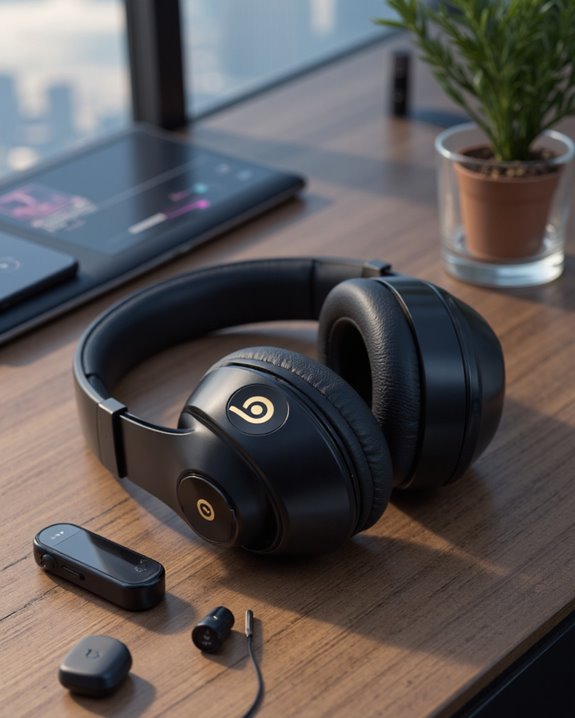
The headphone market isn’t short on options, yet Beats keeps carving out space by pairing genuinely useful tech with features that don’t require a manual to figure out. The Pro-tier models – Studio Pro and Fit Pro – bring strong noise cancelling and impressive sound quality to the table, leaning on Spatial Audio and Dolby Atmos to make movies and music feel bigger than the hardware suggests. Battery life is another strong point: up to 40 hours on the over-ear models, with the true wireless buds not far behind. For anyone already in the Apple camp, seamless integration – instant pairing, effortless device switching, iCloud syncing – removes most of the friction you’d normally deal with. Firmware updates keep rolling out too, so the experience doesn’t stagnate after the initial purchase. Between the over-ear and true wireless options, there’s enough variety here for casual listeners and gearheads alike. And with Bluetooth 5.0-5.3 connectivity across the range, wireless performance holds its own against anything else on shelves in 2026.
Who’s Actually Buying Beats, and Why

The headphone-buying public is diverse, but Beats has planted its flag firmly with users aged 18 to 34 – a group that wants both real performance and a pair of headphones that looks good doing it. Dig into the demographics and it’s obvious: younger buyers are the engine behind the brand’s momentum, drawn in by that mix of head-turning design and sound that’s finally earned some respect. Cultural influence still counts for a lot here, too. Artist, athlete, and influencer collaborations keep the brand in front of people who aren’t necessarily shopping for headphones that day. Those limited-edition drops do more than move units – they build the kind of brand loyalty that gets someone to buy their third or fourth pair. Layer in the Apple integration – Spatial Audio, one-tap pairing – and you’ve got a product that satisfies the tech itch and the style itch at the same time.
How Beats Stacks Up Against the Competition
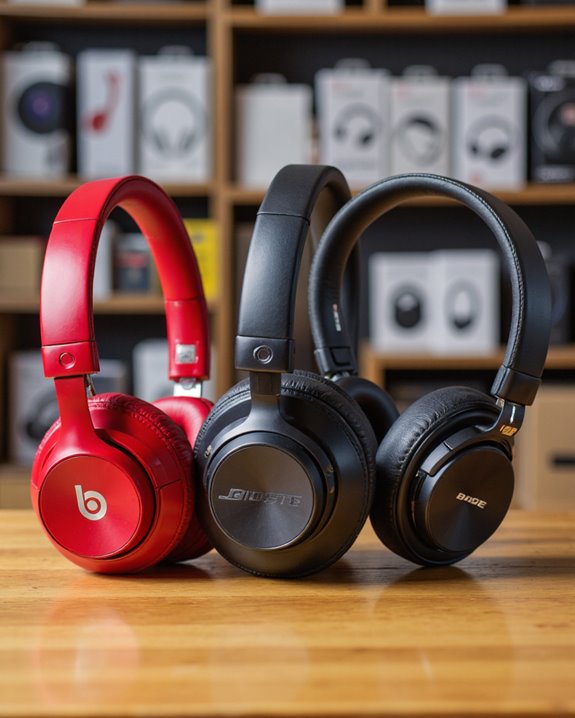
Put Beats next to its rivals and the picture is clear: this is a brand that’s earned a spot in the premium audio segment, not just riding on name recognition. The Studio Pro is priced right alongside the Apple AirPods Pro 2 and the Sony WH-1000XM4, and it backs that price up with transparency mode, Spatial Audio, and Dolby Atmos. The newer generations have also dialed back the bass-heavy signature that used to draw criticism, landing on something closer to what you’d expect from Bose or Sennheiser. Over in wireless earbuds, the Beats Fit Pro and Studio Buds Plus go toe-to-toe with Jabra and Samsung, particularly if you’re after something secure enough for workouts without sacrificing a compact fit. And for buyers who don’t want to spend premium money, the budget Beats models – often under $200 once discounts hit – keep the brand competitive at nearly every price point. It’s also worth noting that headphones like the Soundcore Anker Life Q20 bring hybrid active noise cancellation and long battery life to the table, a reminder that this segment has real alternatives worth comparing.
Where the Sound Quality Actually Stands Today
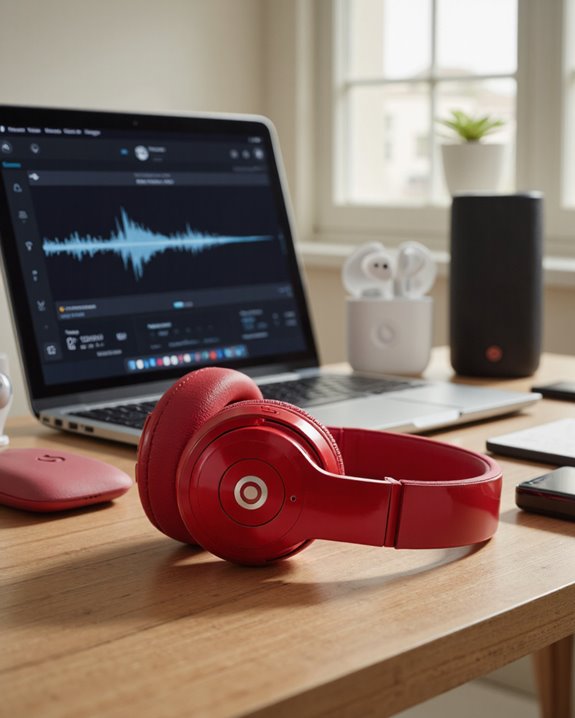
This is where Beats has quietly made its biggest leap. Recent models aren’t leaning on boomy bass to hide weak mids and highs anymore – they’re delivering a more balanced signature that actually lets different genres breathe. The noise-canceling technology in the Studio Pro and Fit Pro is genuinely effective at cutting ambient noise, which makes a noticeable difference during long listening sessions. Personalized Spatial Audio paired with Dolby Atmos gives Apple users a wider, more three-dimensional soundstage than you’d expect from headphones at this price. The Studio Buds Plus back this up with real substance: up to 24 hours of battery life with the case, plus noticeably less distortion at higher volumes than earlier Beats earbuds. Put it all together, and you’ve got a brand that’s earned its seat at the premium audio table rather than just showing up to it.
Standout Models Worth Knowing About
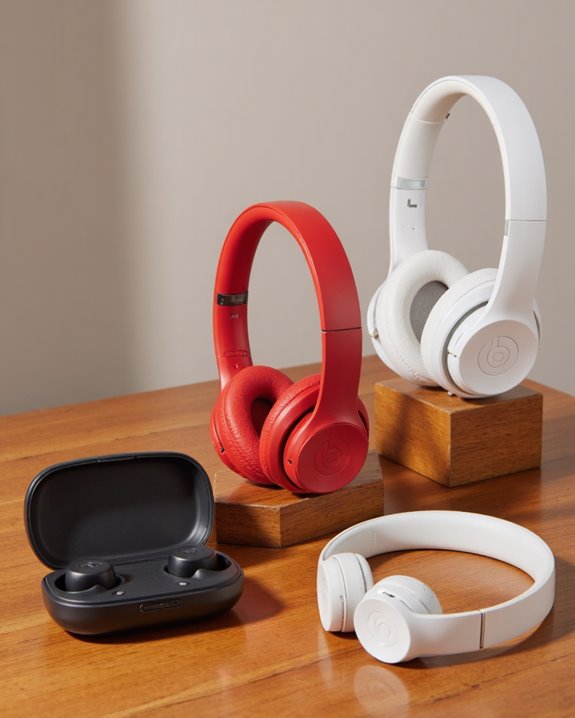
A handful of models really define what the current Beats lineup is about. The Beats Studio Pro is built for people who care about the music first – high-fidelity audio quality, capable drivers, and solid active noise cancellation that adds up to a genuinely immersive listen. If your headphones need to survive a workout, the Beats Fit Pro answers with a secure wing tip design and noise cancellation that holds up even when you’re moving around. The Beats Studio Buds Plus go for everyday practicality – a compact, wireless design, dependable noise cancellation, and up to 24 hours of battery with the case in your pocket. The Beats Solo4 is the style play, with meaningful gains in sound quality over its predecessors. And for the gym crowd specifically, Powerbeats Pro 2 brings sweat resistance and colorways that don’t feel like an afterthought.
What You’ll Pay, and Whether It’s Worth It
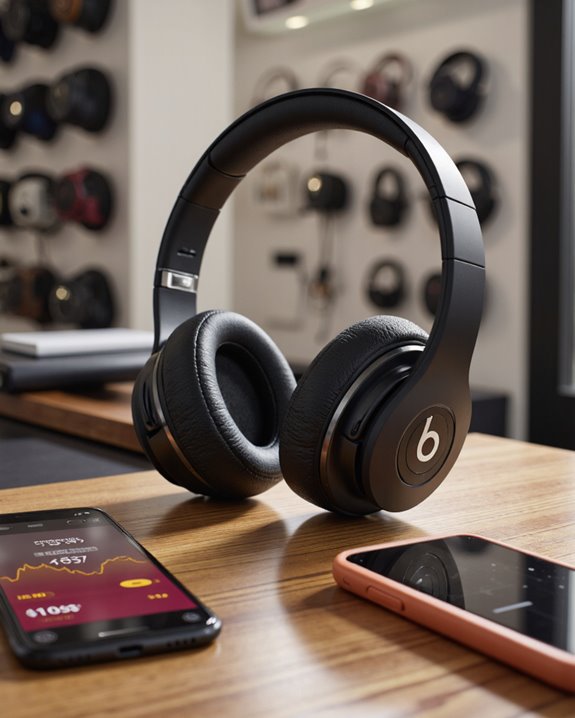
The pricing landscape for Beats is more layered than people expect. At the top, the Beats Studio Pro runs around $249 – not cheap, but the audio quality genuinely competes with pricier names like the AirPods Pro 2 and Sony WH-1000XM4. Watch for sales, though: discounts of up to 50% aren’t rare, which can bring that same pair down to $179.95. In the middle of the lineup, the Beats Solo4 sits at $200 and delivers real improvements in both design and sound over older Solo models. And if budget is the priority, the Beats Flex delivers respectable audio for under $100 – proof that Beats isn’t only chasing the premium buyer anymore. Across the board, the pricing here feels earned rather than inflated.
What Buyers Are Actually Saying
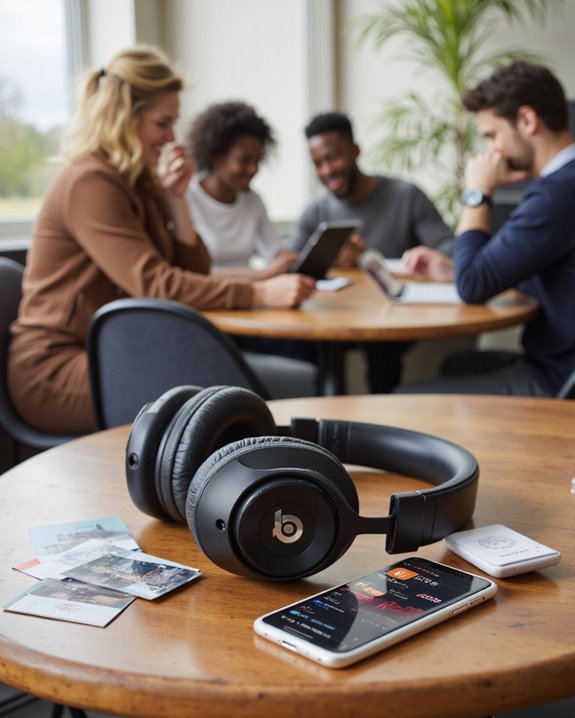
Read enough reviews and a pattern emerges: people are noticing the brand’s real technical progress, not just its looks. The Studio Pro and Fit Pro get consistent praise for upgraded sound quality and noise-canceling features that satisfy everyone from casual listeners to self-described audiophiles. The Studio Buds Plus earn their reputation through reliable battery life and effective active noise cancellation – the kind of unglamorous consistency that keeps people coming back. The Solo4 picks up fans mainly for its refreshed look and value, especially when it’s on sale. And Apple integration – Spatial Audio, fast pairing – keeps coming up as a reason buyers stick with the brand rather than switch. Taken together, the reviews paint a picture of a brand that’s earned back some credibility through balanced audio performance, while still holding onto the design appeal that got it here in the first place.
How to Pick the Right Pair for You
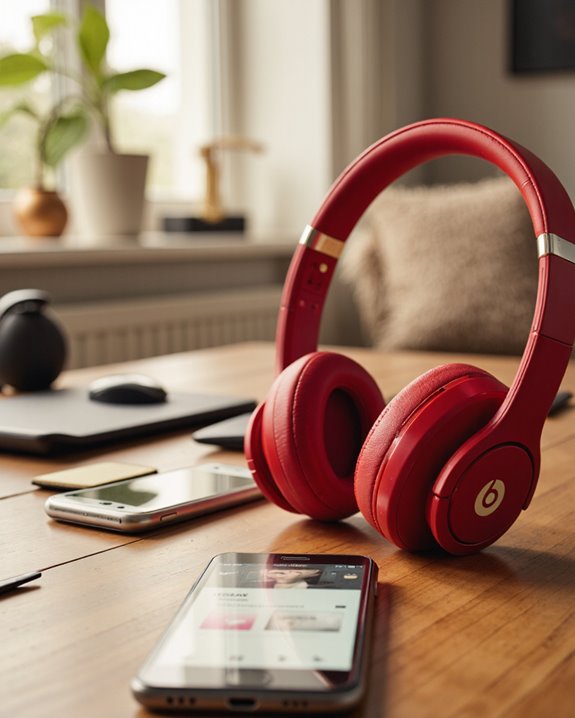
Before you buy, figure out what you actually need and what you’re willing to spend. Entry-level Beats already deliver solid audio performance for under $100, but if you want advanced noise-canceling or a noticeable step up in sound quality, plan on spending above $200. Fit matters more than people think – over-ear models are more comfortable for long sessions, while in-ear designs make more sense if you’re active or working out. Check the build quality too, especially if these are going to live in a bag during travel or get sweated on at the gym. It also helps to compare specs like frequency response and sensitivity across models rather than just going by name recognition. One last thing: always check the return policy before you buy. Headphones can sound great in a review and still not click with your ears, and having an easy way to send them back matters more than most buyers realize until they need it.
Frequently Asked Questions
Are Beats Making a Comeback?
They kind of never left, honestly – but yes, there’s a real resurgence happening. Between sharper marketing, celebrity tie-ins, and wireless tech that’s actually caught up to the competition, Beats is winning back people who wrote the brand off years ago. Reviews have gotten friendlier too, especially around sound quality, which used to be the sticking point.
Why Did Beats Lose Popularity?
A few things piled up at once: rivals released genuinely better-sounding headphones, the price tag stopped feeling justified, and the brand’s reputation for boomy, unbalanced audio caught up with it. Celebrity endorsements can only carry a product so far when the design starts feeling dated and the market keeps moving.
Are Beats Being Discontinued?
Not even close. A company doesn’t keep releasing new models and running marketing pushes if it’s planning to shut things down. What we’re seeing instead is Beats evolving – new designs, updated tech, and messaging that’s clearly aimed at keeping up with where consumer preferences are heading.
When Were Beats Popular?
The brand took off around 2008, riding a wave of celebrity endorsements and a look nobody else had at the time. Sound quality and pricing drew plenty of criticism even then, but the cultural momentum and brand loyalty were strong enough to outlast the skeptics.