As an Amazon Associate, we earn from qualifying purchases. Some links on this site are affiliate links at no extra cost to you. Our recommendations are based on thorough research and editorial judgment.

Are Sennheiser Headphones Worth the Price?

You’re standing in front of a wall of headphones, or scrolling through a hundred browser tabs, and one name keeps showing up at every price point: Sennheiser. A $190 pair sits next to a $2,000 pair, both wearing the same logo. That gap alone raises a fair question. Is the name doing the heavy lifting, or is there something in the engineering that actually justifies paying more than a mid-range laptop for a pair of open-back cans? I dug into current pricing, verified specs, and the track record this German brand has built since the 1940s to figure out where the money really goes.
You may be interested




Sennheiser Momentum 4 Wireless Headphones, ANC, 60 Hr Battery, Black/Copper
- Seamless Firmware & App Updates: Enjoy a smoother, more reliable experience with the latest firmware and Smart Control Plus app features for your over the ear Bluetooth...
- Audiophile-Inspired Sound : Sennheiser wireless over-ear headphones over with signature sound, 42mm transducers and aptX Adaptive deliver crystal-clear audio and deep...
- Personalized Listening Experience: Tailor your sound on these wireless over ear headphones via the Smart Control Plus app with integrated equalizer, presets, and sound...

Sale

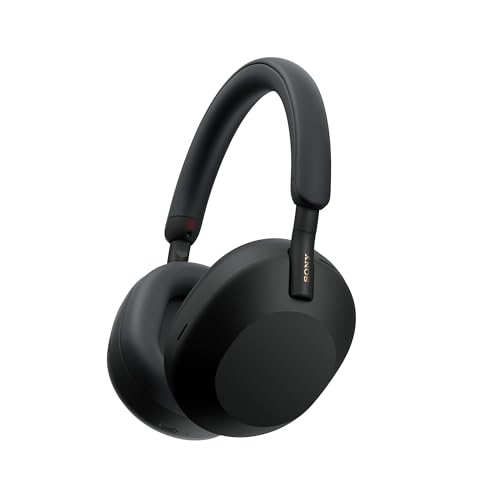
Sony WH-1000XM5 Premium Noise Cancelling Wireless Headphones, Black
- PREMIUM NOISE CANCELLATION: Two processors control 8 microphones for unprecedented noise cancellation. With Auto NC Optimizer, noise canceling is automatically optimized...
- MAGNIFICENT SOUND: Engineered to perfection with the new Integrated Processor V1.
- CRYSTAL CLEAR HANDS-FREE CALLING: 4 beamforming microphones, precise voice pickup, and advanced audio signal processing.
Sale


Bose QuietComfort Ultra Bluetooth Headphones, Wireless Headphones with Spatial Audio, Over Ear Noise...
- SPATIAL AUDIO HEADPHONES: Bose QuietComfort Ultra Headphones with spatial audio give you an immersive experience that makes music feel more real; CustomTune technology...
- NOISE CANCELING HEADPHONES: These wireless noise cancelling headphones feature Quiet Mode, Aware Mode and Immersion Mode, which combines full noise cancellation and Bose...
- HEADPHONES WITH MIC: Microphones focus on the sound of your voice and the bluetooth headphones with microphone filter out background noise for the clearest phone calls of...
Sale

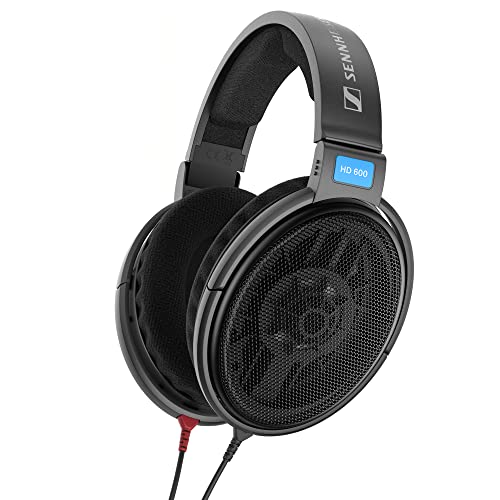
Sennheiser HD 600 Audiophile Open-Back Dynamic Wired Headphones
- Audiophile-Grade Clarity: These earphones wired include neodymium ferrous magnets that ensure precise, dynamic audio for immersive listening
- Extended Listening Comfort: Lightweight Sennheiser HD600 corded headphones for music with plush ear pads allows fatigue-free enjoyment during long sessions and daily...
- Durable, Premium Build: Sennheiser wired headphones feature a sophisticated black and gray finish with expertly crafted open metal mesh earpiece covers. Connect it with...
Why Sennheiser Costs What It Costs
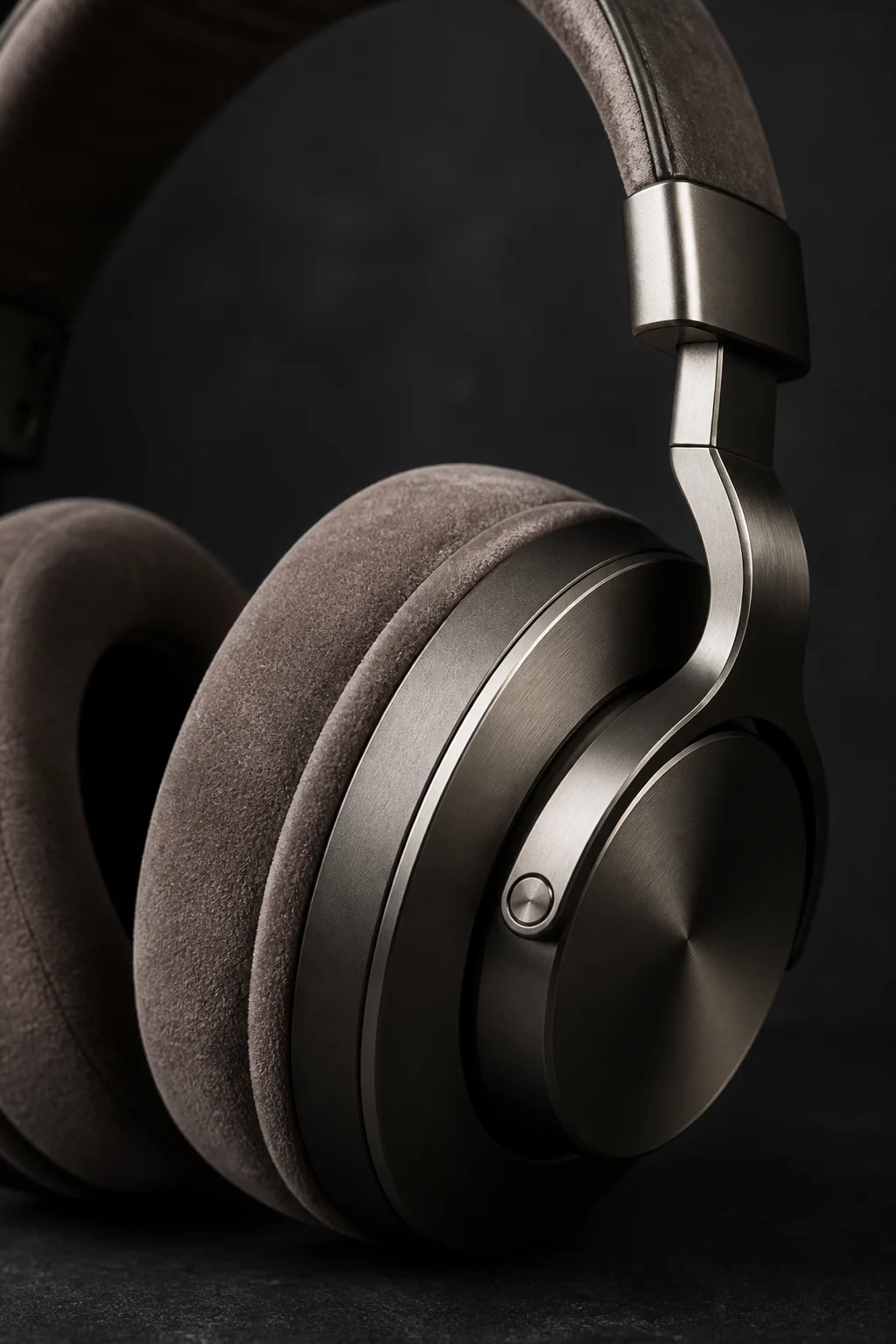
Sennheiser isn’t a brand that chases trends. It builds its own drivers, the small speaker units inside each earcup that turn an electrical signal into sound, and it tends to keep a headphone in the lineup for years instead of refreshing it every eighteen months. The HD 650, a wired open-back model most audiophiles consider a classic, has been sold in some form since 2003. That kind of longevity spreads tooling and R&D costs across a much larger production run, which is part of why a $280 pair like the HD 560S can still compete with headphones twice its price.
There’s also a repairability angle that a lot of shoppers overlook. Sennheiser runs a dedicated spare parts store where you can order replacement earpads, headbands, and cables years after a model first launched. That matters more than it sounds. A $700 headphone that lasts a decade because you can swap a worn earpad for $30 works out cheaper per year than a $150 pair you replace every eighteen months because the foam disintegrates and there’s no fix available.
None of that means every Sennheiser purchase is automatically smart money. The lineup ranges from budget-friendly wired models to reference-grade headphones aimed at mastering engineers, and the value proposition shifts a lot depending on where you land. Let’s walk through what you actually get at each tier.
Budget and Mid-Range: Accentum Wireless and HD 560S
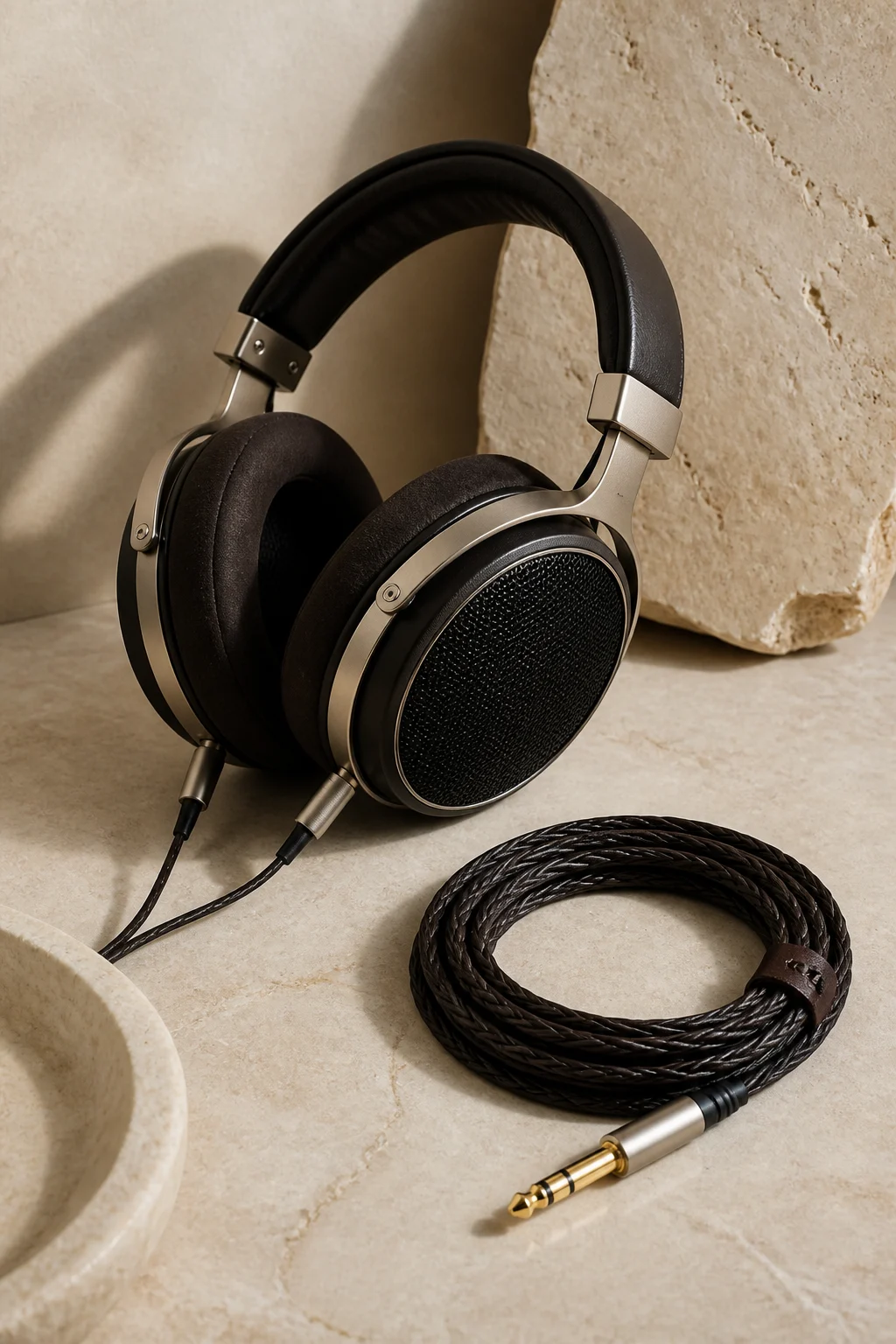
At the entry point, the Accentum Wireless runs $189.95 and gives you a closed-back, over-ear design with active noise cancellation (ANC), the tech that uses microphones to listen for ambient noise and generate an opposing sound wave that cancels it out, plus a transparency mode for when you want to hear your surroundings again without pulling the headphones off. It’s built for commuting and everyday listening rather than critical mixing work, and reviewers consistently point to strong battery life and a warm, easygoing sound signature as the reason it punches above its price bracket.
Step up to the HD 560S at $279.95 and you’re in wired, open-back audiophile territory. Open-back means the earcups have vented backs instead of sealed ones, which lets sound leak out (so don’t wear these on a train) in exchange for a wider, more natural soundstage, the sense of space and instrument placement that makes a recording feel like it’s happening in a room rather than crammed inside your skull. With a 120-ohm impedance rating, a measure of electrical resistance that tells you how much power an amp needs to drive the headphone properly, the HD 560S is easy enough to run straight off a laptop headphone jack or a basic USB dongle. You don’t need a separate amplifier to get it sounding right, which keeps the total cost of entry low.
This tier is where Sennheiser’s value case is strongest. You’re paying under $300 for headphones that measure and sound like something twice the price, and the open-back design forces a kind of honesty in the sound that closed, bass-boosted consumer headphones can’t fake.
The Wireless Flagship: Momentum 4 Wireless
The Momentum 4 Wireless sits at $299.95 and is Sennheiser’s answer to the Sony and Bose flagships everyone already knows. It uses a 42mm dynamic driver, Bluetooth 5.2, and hybrid adaptive ANC pulling data from four microphones to adjust cancellation strength on the fly based on how noisy your environment actually is. The headline spec is battery life: Sennheiser rates it at up to 60 hours with ANC running, which is roughly double what most competing flagships offer. A 10-minute USB-C top-up is rated to add about 6 hours back, so a dead battery before a flight isn’t the emergency it would be with a lot of other wireless headphones.
Sound tuning leans warm and a little bass-forward compared to Sennheiser’s wired audiophile line, which makes sense given the target buyer is commuting or working from a coffee shop, not doing critical listening in a quiet room. A 5-band EQ in the Smart Control Plus app lets you dial that back if you prefer a flatter response. At $300, it’s competing directly against the Sony WH-1000XM5 and Bose QuietComfort Ultra, and the battery life alone is a legitimate reason to pick it over either.
The Reference Tier: HD 660S2 and HD 800S
This is where things get serious, and where the “worth it” question gets harder to answer with a simple yes. The HD 660S2 costs $679.95 and uses a 38mm dynamic driver with a 300-ohm impedance rating, which is high enough that you’ll want a dedicated headphone amp to get it to sound its best. Frequency response is rated at 8Hz to 41,500Hz, extending well past what human hearing can perceive on either end, and the open-back design carries forward the spacious, uncolored character the HD 6-series has been known for since the original HD 650. Reviewers describe the tuning as intimate and relaxed rather than aggressive or hyped, with real low-end extension that earlier models in the series were sometimes criticized for lacking.
Then there’s the HD 800S at $1,999.95, Sennheiser’s reference flagship. It uses a 56mm Ring Radiator driver, a ring-shaped diaphragm design instead of the usual solid dome, which Sennheiser says reduces distortion and improves how accurately the driver responds to fast transients. Impedance is 300 ohms, weight is a manageable 330 grams for something this large, and the package includes both a standard 6.35mm cable and a 4.4mm balanced cable for use with higher-end desktop amps. The soundstage on the HD 800S is frequently described by reviewers as the widest and most three-dimensional in its price class, which is exactly the kind of thing mastering engineers and serious collectors are paying for.
Here’s the honest caveat: at $2,000, you’re paying for a last few percent of refinement that only shows up on a well-recorded track through a proper amp in a quiet room. If your source material is compressed streaming audio through a laptop’s headphone jack, you will not hear $2,000 worth of difference between this and the HD 660S2. This tier is worth it for people who already have the amp, the source material, and the listening habits to exploit it. For everyone else, it’s an expensive way to prove a point.
Sennheiser vs. the Alternatives at Each Price Point
Based on specs and verified user reviews, Sennheiser holds up well against the usual suspects. In the wireless ANC space, the Momentum 4’s battery life beats the Sony WH-1000XM5 and Bose QuietComfort Ultra by a wide margin, though both competitors edge it out slightly on ANC strength in loud environments like subway platforms. In the open-back wired space, the HD 560S goes head to head with the Audio-Technica ATH-R70x and comes out ahead on price while landing in a similar sonic neighborhood. At the top end, the HD 800S competes with Focal’s Clear MG and Beyerdynamic’s Amiron Home, and the general consensus among reviewers is that Sennheiser’s soundstage width remains a genuine differentiator even against pricier competition.
| Model | Price | Type | Key Spec | Best For |
|---|---|---|---|---|
| Accentum Wireless | $189.95 | Closed-back, wireless, ANC | Bluetooth, hybrid ANC, transparency mode | Commuting, everyday use |
| HD 560S | $279.95 | Open-back, wired | 120 ohms, 6Hz–38kHz | Budget audiophile listening |
| Momentum 4 Wireless | $299.95 | Closed-back, wireless, ANC | Up to 60hr battery, 42mm driver | Travel, all-day wireless use |
| HD 660S2 | $679.95 | Open-back, wired | 300 ohms, 8Hz–41.5kHz | Home listening with a headphone amp |
| HD 800S | $1,999.95 | Open-back, wired, reference | 300 ohms, 56mm Ring Radiator driver | Mastering engineers, serious collectors |
Who Should Actually Buy Sennheiser
If you want ANC and long battery life for travel, the Momentum 4 Wireless is worth the $300 without much hesitation. If you’re getting into wired, open-back listening for the first time, the HD 560S is one of the cleanest entry points in the hobby at under $300. The HD 660S2 makes sense once you already own an amp and want a noticeable step up in bass extension and refinement over the entry-level open-back models. The HD 800S is worth it only if you have the source material, amp, and listening habits to actually hear what it’s doing. Buying it to plug into a phone dongle is a waste of $2,000.
Across the board, Sennheiser earns its price tags through parts availability, durable build quality, and sound tuning that doesn’t chase hype-driven bass boosts. It’s not the cheapest option at any given price point, and the top-tier models demand supporting gear most casual listeners don’t own. But measured against verified specs and years of user reports on longevity, the value case holds up better than the sticker price alone suggests.