As an Amazon Associate, we earn from qualifying purchases. Some links on this site are affiliate links at no extra cost to you. Our recommendations are based on thorough research and editorial judgment.

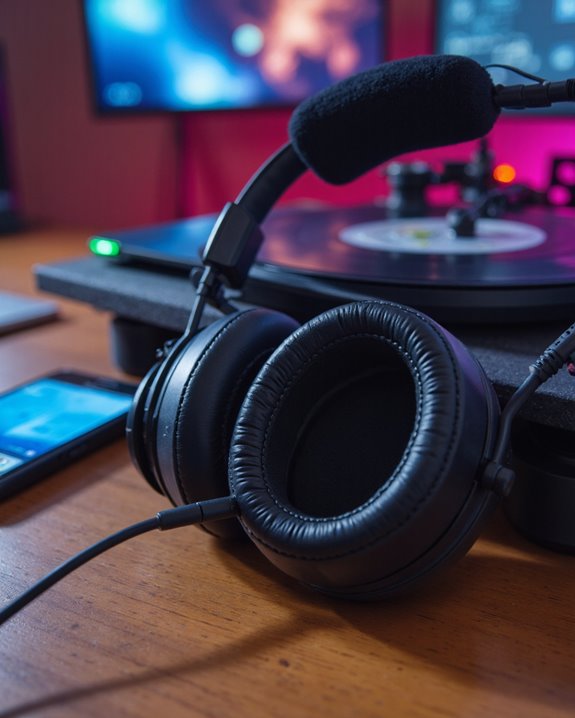
Are Gaming Headphones Good for Listening to Music?

Short answer: yes, gaming headphones are good for music, at least for a lot of listening situations. I’ve thrown dozens of headsets on for late-night playlists after gaming sessions, and the honest verdict is this: they’re built for punch and immersion, not neutrality. If bass-forward, cinematic sound is your thing, a good gaming headset can genuinely rival casual listening headphones. Ask a mastering engineer to mix on one, though, and you’ll get a very different answer. Most gaming headsets lean into boosted bass and virtual surround sound, which flatters electronic music and hip-hop but tends to smear the subtlety out of classical or acoustic recordings. Plenty of models let you fight back with a customizable equalizer, and comfort is usually a strong point thanks to thick padding built for marathon sessions. The details below break down where gaming headsets earn their keep and where dedicated music headphones still win.
Key Takeaways
- Gaming headphones can absolutely handle music duty, but expect a sound signature tuned for bass and drama rather than strict accuracy.
- A handful of premium gaming headsets get impressively close to true audiophile sound, though most music headphones still edge ahead on detail and balance.
- A built-in mic and genuinely comfortable ear cups mean a gaming headset can pull double duty for gaming and everyday music without much compromise.
- EQ presets on many gaming headsets let you dial back the bass hump and coax out a more natural balance for different genres.
- If you’re chasing reference-level accuracy or a wide, airy soundstage, a dedicated pair of music headphones is still the smarter buy.
Gaming Headsets vs. Music Headphones: What Actually Separates Them
You may be interested

Put a gaming headset and a pair of music headphones side by side and they might look like cousins, but the engineering behind them pulls in different directions. Gaming headsets are tuned for impact: elevated bass that makes explosions and footsteps hit harder, which shapes a frequency response that’s anything but flat. Music headphones chase the opposite goal, aiming for a balanced curve across the spectrum so nothing gets artificially hyped. Comfort priorities split along the same lines. Gaming headsets pile on plush padding for marathon raid nights, while music headphones lean toward durable, ergonomic builds meant for long, focused listening rather than combat. Then there’s the microphone question: gaming headsets almost always bolt one on for squad chat, something music headphones rarely bother with. Even the look is different, with gaming gear favoring bold RGB styling over the understated finish most music headphones go for. One more wrinkle worth mentioning: many gaming headsets pack in 7.1 surround sound technology, giving them a spatial, immersive quality that most music-focused headphones simply don’t try to replicate.
Sound Quality: Where Each One Actually Wins
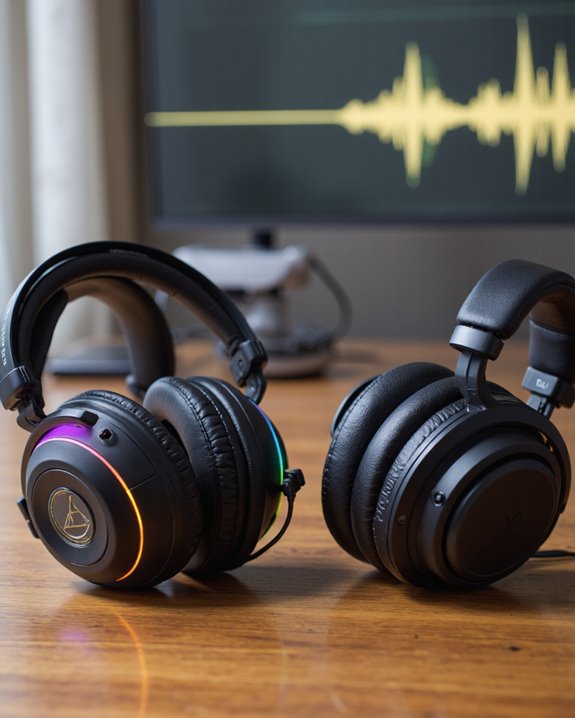
Now that the design gap is clear, let’s talk about how it actually translates into what hits your ears.
Gaming headsets chase immersion first, and that usually means a bass bump strong enough to color everything you play through it. It’s fun for the right track, but it’s not what anyone would call a neutral sound signature, and some genres simply don’t flatter it. Music headphones take the opposite path: wider frequency response, more texture retrieval, and a genuinely neutral tuning that keeps instruments separated instead of mushed together. That precision matters most when you’re doing critical listening rather than just having something on in the background. A few flagship gaming headsets get remarkably close to that standard, but most still fall short on tonal balance once you A/B them against something built purely for music. In the end, taste and genre decide more than any spec sheet. Take the PHILIPS SHP9600’s open-back design, for instance — its airy, natural soundstage is exactly the kind of thing that makes it a favorite for picking apart guitar recordings, and it’s a good reminder of what purpose-built music headphones bring to the table.
What Gaming Headsets Bring to the Table for Music Playback
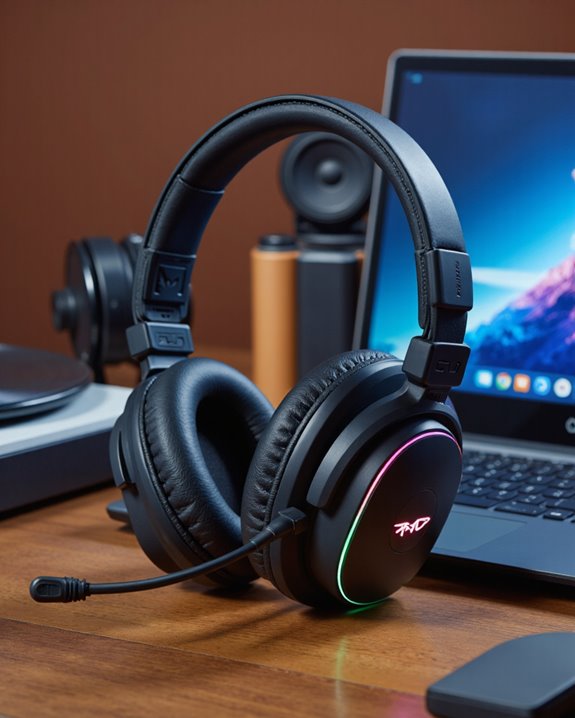
Gaming headsets get marketed at gamers first, but a closer look at their feature set shows why plenty of music fans reach for them too. Most rely on solid, high-fidelity drivers capable of covering a wide frequency spectrum, which matters whether you’re spinning pop, rock, or something more niche. Decent noise isolation helps too, blocking out enough of the outside world that the music actually gets your attention. A lot of models throw in a customizable equalizer, letting you nudge treble, mids, and bass until the sound fits your ears instead of the factory tuning. Virtual surround sound shows up often as well, adding a sense of width and depth that plain stereo can’t match. Put those pieces together and a gaming headset becomes a surprisingly capable, adjustable tool for music — not perfect, but far from a compromise. The Turtle Beach Stealth 500, for example, pairs with a companion app offering sound customization that goes well beyond a basic on-ear dial.
Comfort and Ergonomics During Marathon Listening Sessions
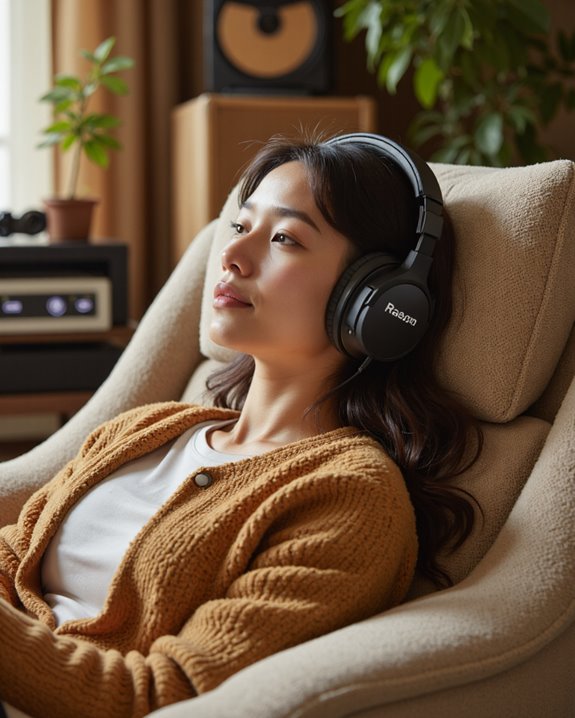
Comfort makes or breaks any long session, and this is genuinely where gaming headsets shine. Manufacturers know their headsets need to survive multi-hour raids, so plush padding and lightweight materials are standard rather than a luxury. Cushioned ear cups mold to your head and spread out pressure so your ears aren’t screaming after hour three. Adjustable headbands add a secure but gentle fit across different head shapes, meaning you’re not constantly readjusting mid-album. That combination of durability and comfort is exactly what makes gaming headsets so easy to wear for both a five-hour gaming binge and a full afternoon of music. The HyperX Cloud series gets singled out often for exactly this reason — light on the head, comfortable for hours, and built with exactly the kind of ergonomics that extended listening demands.
Does the Built-In Microphone Matter for Music?
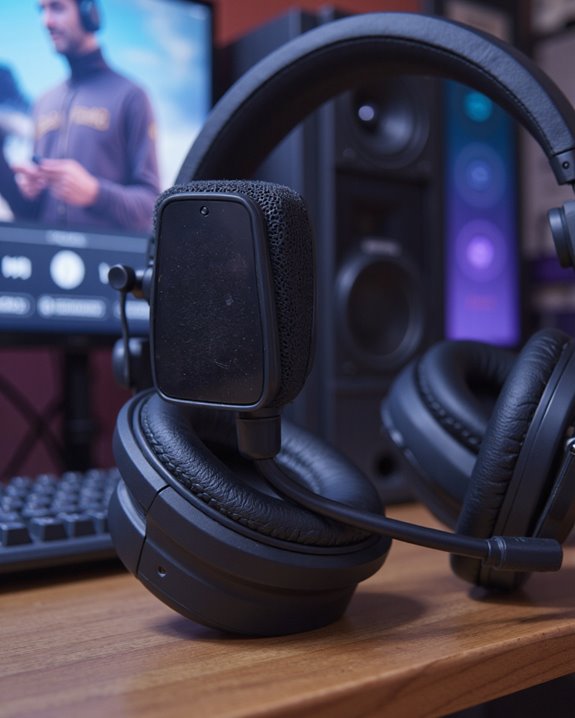
Nearly every gaming headset ships with a built-in mic, but let’s be clear: it’s there for voice chat, not for making your music sound better. That mic is tuned to capture clear speech during a match or a call, and it has zero bearing on the audio quality coming through the drivers. Sure, noise-canceling mics cut down on background noise so your teammates can hear you, but that’s a communication feature, not a fidelity feature — it does nothing for the clarity of a song. Dedicated music headphones skip the microphone entirely and pour those design resources into audio fidelity instead. So if a great mic is high on your priority list, understand you might be trading away some of the nuance that serious listening demands elsewhere. Bottom line: the microphone is a gaming convenience, not a music upgrade.
Which Genres Actually Sound Good on a Gaming Headset?
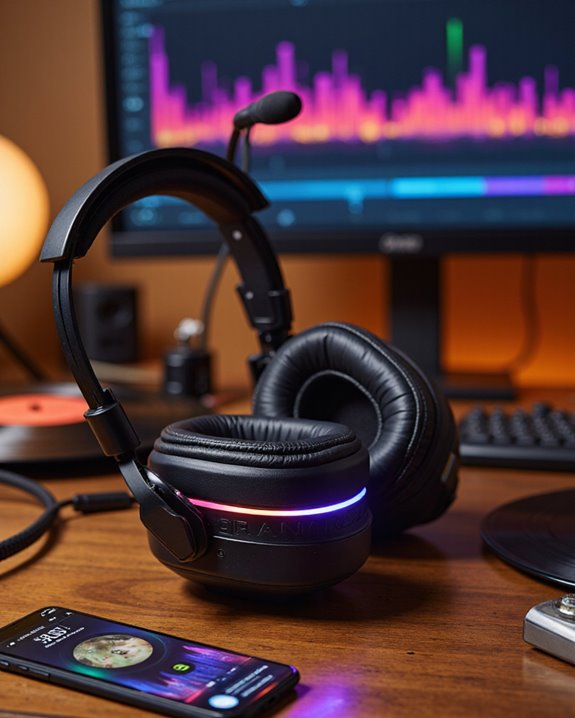
Whether a gaming headset flatters a given genre comes down almost entirely to how aggressively it emphasizes certain frequencies. Bass-heavy tuning is the norm, and that’s exactly why EDM and hip-hop tend to sound great through them — the low end has real weight and slam. Ask the same headset to handle classical, jazz, or acoustic music, though, and the cracks show: these genres need a balanced frequency response and careful sound reproduction that most gaming headsets just aren’t built to deliver. The immersive, larger-than-life quality works wonders for cinematic or action-driven tracks, but subtle mid-range detail often gets lost in the mix. At the end of the day, it’s a matter of priorities — some listeners are happy trading a bit of accuracy for comfort and extra features, while others won’t settle for anything less than faithful, nuanced reproduction.
Using EQ Settings to Tune a Gaming Headset for Music
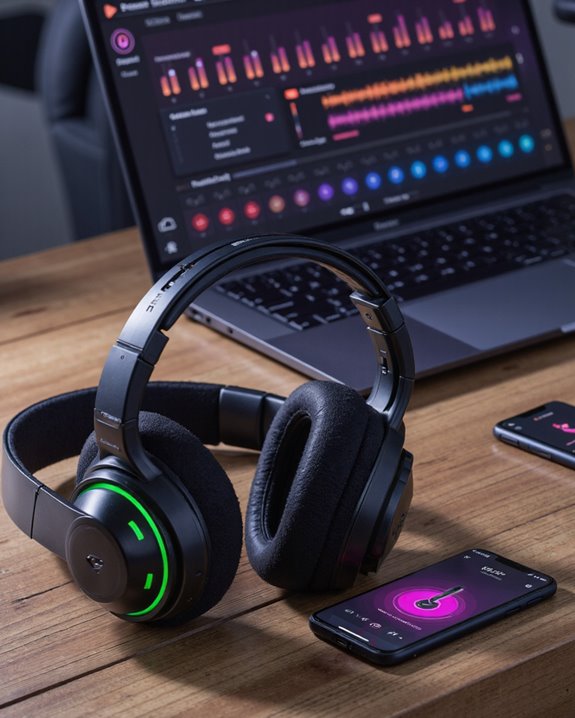
This is where a gaming headset can really close the gap with dedicated music headphones. Most come bundled with an equalizer that lets you reshape the sound profile until it actually fits the genre you’re playing, rather than settling for whatever bass-heavy default the factory shipped. Companion software often lets you save multiple EQ presets, so switching between a gaming profile and a music profile takes one click instead of manual retuning every time. Dial back that default bass bump and you’ll often land on something noticeably more balanced and enjoyable, whether you’re queuing up a classical playlist or blasting hip-hop. Many of these apps even ship with genre-specific presets already dialed in, which takes the guesswork out of it. Spend ten minutes in the software and you can turn a gaming-first headset into something that actually respects the music you’re playing.
Gaming Headsets Worth Considering If Music Matters to You
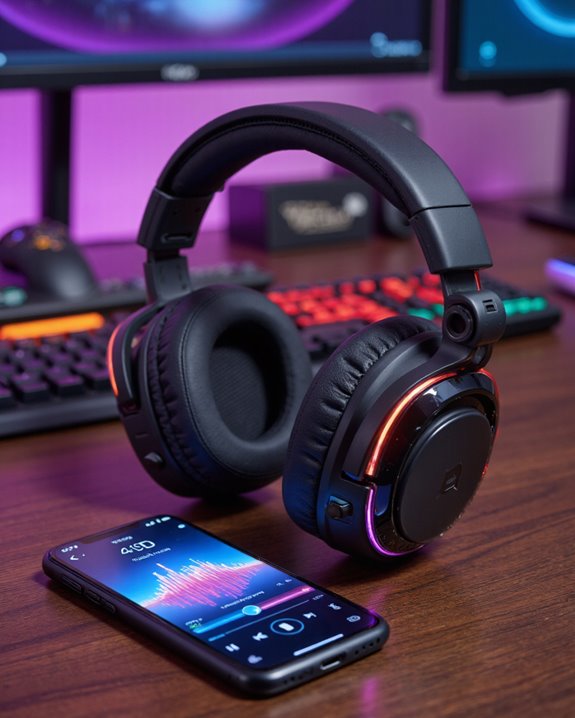
Picking a gaming headset for music means weighing audio fidelity against comfort, since not every model handles both equally well. The SteelSeries Arctis Pro is a standout here — its sound quality and plush build get remarkably close to what you’d expect from dedicated music headphones, without giving up gaming chops. The HyperX Cloud II earns its reputation with a well-balanced tuning and all-day comfort that makes it a solid pick for games and playlists alike. The Corsair Void Elite RGB uses custom-tuned 50mm drivers that deliver richer, more detailed playback than you might expect at this level. If spatial depth is what you’re after, the Razer Kraken Ultimate leans on THX Spatial Audio to add real dimension to genres that benefit from a wider, more enveloping sound. And the Logitech G Pro X rounds things out with versatile tuning and a fit secure enough for long sessions either way.
Budget and Value: What You Get for Your Money
Audio purists will always gravitate toward dedicated music headphones, but there’s no denying that budget gaming headsets — generally $50 to $150 CAD — offer a genuinely compelling deal for anyone who wants one device to do it all. In that price bracket you’ll find models with respectable sound, the features that matter, and construction sturdy enough to last. The HyperX Cloud Stinger is a good example: casual listeners get satisfying music playback without sacrificing the in-game performance that got them shopping in the first place.
Step up to around $200 CAD and you’ll typically get better audio fidelity and more comfort for long listening sessions, though dedicated music headphones at that same price point can still out-resolve a gaming headset on pure accuracy. Still, the dual-purpose nature of budget gaming headsets makes them hard to beat on value, especially if you’re trying to cover both entertainment needs without buying two separate devices.
Frequently Asked Questions
Is a Gaming Headphone Good for Music?
It depends on what you’re optimizing for. Sound quality, comfort, clarity, bass response, noise cancellation, design, price, and how you actually plan to use it all factor in — there’s no single right answer, just the one that matches your priorities.
Can I Use a Gaming Headset to Listen to Music?
Absolutely — plenty of people do it every day, whether they’re on a wireless Logitech, a Razer, or something else entirely. How satisfying it feels comes down to sound quality, comfort, design, price, and how durable you need it to be.
Do Gaming Headsets Damage Hearing?
Crank the volume too high for too long on any headset, gaming or otherwise, and you’re risking hearing damage and ear fatigue. Immersive sound and noise isolation can make music feel more vivid, but that’s exactly why keeping an eye on volume and listening habits matters.
What Is the Difference Between Gaming Headphones and Music Headphones?
The gap comes down to tuning philosophy — sound quality, microphone inclusion, comfort, driver design, frequency response, materials, and price all diverge because the two categories are built to solve different problems.