As an Amazon Associate, we earn from qualifying purchases. Some links on this site are affiliate links at no extra cost to you. Our recommendations are based on thorough research and editorial judgment.


Nothing Ear Buds: Are They Worth It?

You’ve probably seen a pair of Nothing earbuds somewhere — that transparent case sitting on a coffee shop table, or a coworker’s clear-shelled buds catching the light during a meeting. They look like nothing else on the market, and that’s the point. But looks fade fast if the sound is thin or the noise cancelling barely works. So the real question isn’t whether Nothing earbuds turn heads. It’s whether they hold up once the case is in your pocket and you’re relying on them for a commute, a workout, or a full day of calls. Based on specs and verified user reviews across Nothing’s current lineup, here’s where they actually deliver and where the design flair is doing most of the talking.
You may be interested



Sale

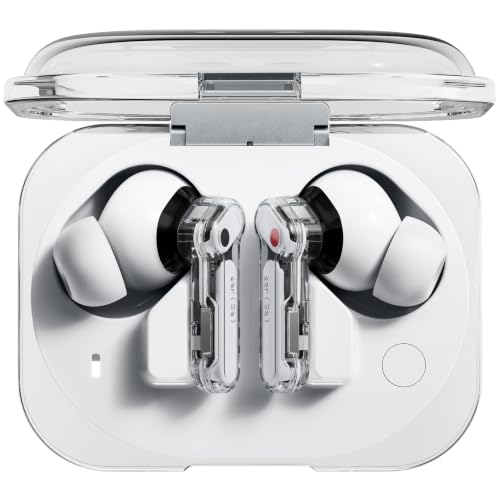
Nothing Ear (3a) Noise Cancelling Earbuds, 45dB Hybrid ANC, 12mm Driver with Hi-Res Audio and Bigger...
- Transparent Design: Ear (3a) features Nothing's signature technological codes in vibrant new colours. A wider range of ear tips means the buds sit comfortably in...
- Hi-Res Audio: Ear (3a) delivers stronger sound with a bigger 12 mm driver. Improved wideband Active Noise Cancellation at up to 45 dB lets you ignore the boring things...
- Wideband Active Noise Cancellation: Nothing Ear (3a) delivers up to 45dB of Active Noise Cancellation. These Bluetooth wireless earbuds recalibrate every millisecond to...

Sale

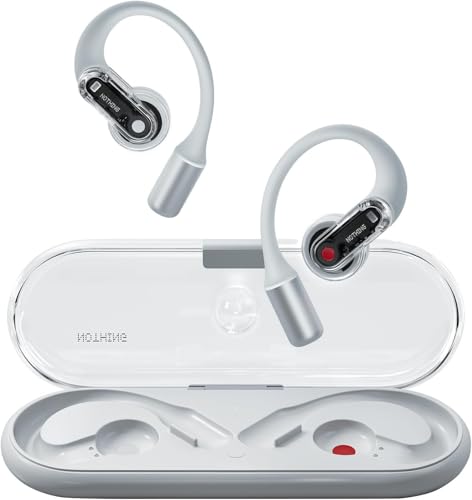
Nothing Ear (Open) Open Ear Headphones, Ultra-Light with Adjustable Earhooks, Multipoint Connection...
- Comfortable to Wear: Nothing Ear (Open) ultra-light open earbuds feature an ergonomic open ear hook design with a 50-degree tilt, a three-point balance, and skin-friendly...
- Immersive Sound Quality: These open-ear headphones serve up rich bass and crisp treble, powered by an innovative stepped driver. Its uniquely shaped diaphragm, titanium...
- Bluetooth 5.3 & Seamless Dual Connection: These open-ear wireless earbuds feature the latest Bluetooth 5.3 for stable, low-latency audio—perfect for sports, fitness...
Sale


Bose QuietComfort Ultra Bluetooth Headphones, Wireless Headphones with Spatial Audio, Over Ear Noise...
- SPATIAL AUDIO HEADPHONES: Bose QuietComfort Ultra Headphones with spatial audio give you an immersive experience that makes music feel more real; CustomTune technology...
- NOISE CANCELING HEADPHONES: These wireless noise cancelling headphones feature Quiet Mode, Aware Mode and Immersion Mode, which combines full noise cancellation and Bose...
- HEADPHONES WITH MIC: Microphones focus on the sound of your voice and the bluetooth headphones with microphone filter out background noise for the clearest phone calls of...
What Nothing Actually Sells Right Now
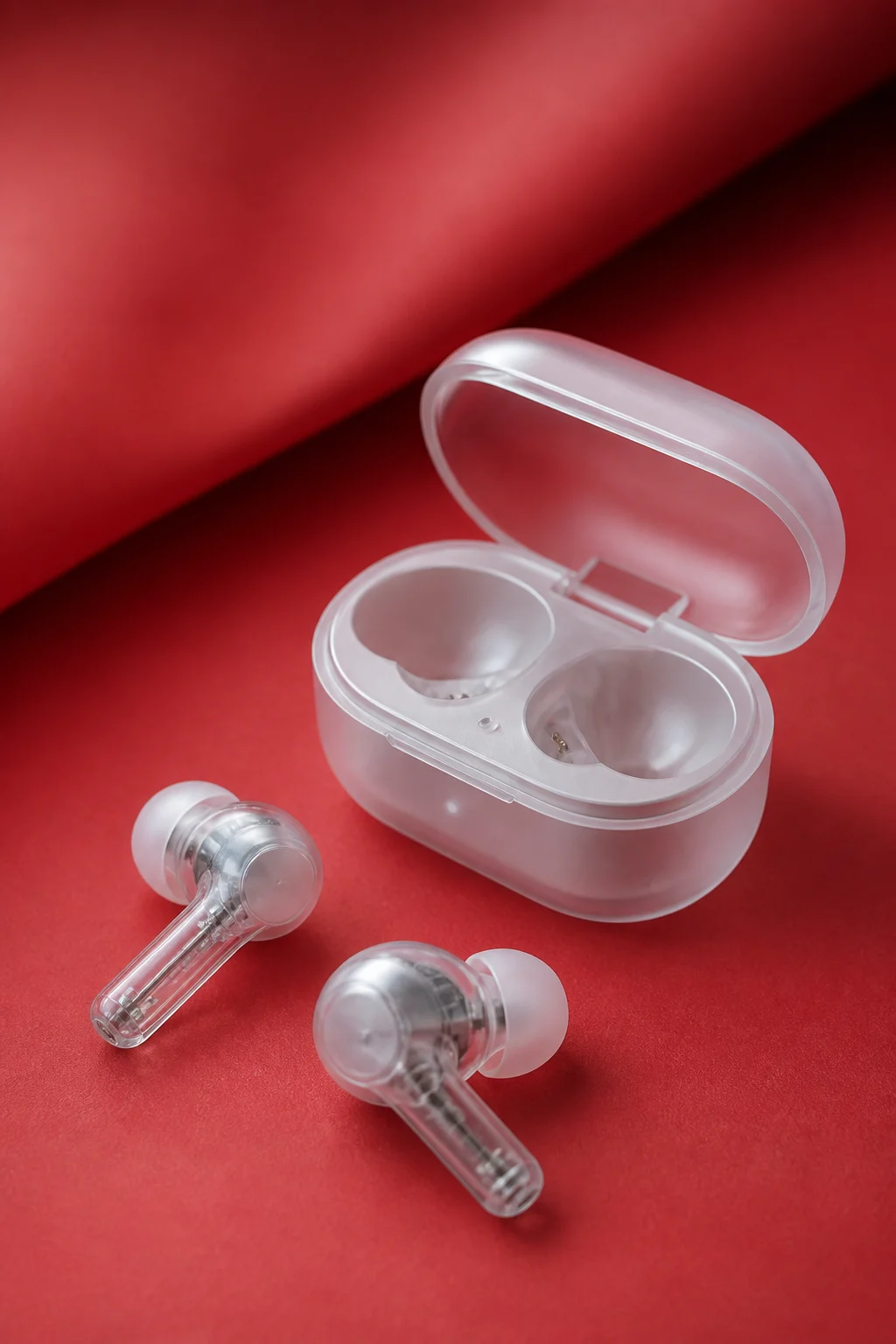
Nothing’s earbud lineup has grown into three distinct tiers, and mixing them up is the easiest way to overpay or underbuy. The Nothing Ear (3) is the flagship, launched in late 2026 at $179. The Nothing Ear (3a) is the budget model that arrived in July 2026 at $99, and early reviews suggest it’s punching well above that price point. Then there’s the Nothing Ear (open), a $149 open-ear design that skips silicone ear tips entirely for people who want to hear traffic and conversations while running or walking the dog.
Each model targets a different kind of listener, not just a different budget. The (3) is for people who want the best sound and features Nothing can pack into a single pair of buds. The (3a) is for people who want most of that experience without paying flagship money. The (open) is a narrower pick, aimed at runners and office workers who need situational awareness more than isolation. They aren’t the same product with different price tags, which is worth remembering before you default to whichever one shows up first in search results.
Sound Quality: Where the Bass-Heavy Tuning Comes From

Both the Ear (3) and Ear (3a) use a 12mm dynamic driver, the small speaker inside each earbud that physically moves air to produce sound. A bigger driver generally means more low-end punch, and Nothing leans into that hard. Reviewers describe the Ear (3) as having a bass-heavy, V-shaped tuning — boosted bass and treble with vocals sitting slightly recessed in between. Tom’s Guide called the low end "powerful, meaty bass" paired with "clean and nuanced vocals," though they flagged that cymbals and hi-hats can sound a little harsh at higher volumes. SoundGuys rated the Ear (3) 4.7 out of 5 on their audio quality scoring, calling it fun and energetic with good stereo width, but noted the tuning isn’t neutral enough for critical listening or classical music.
The Ear (3a) shares that same bass-forward personality but reviewers found it slightly more balanced. 9to5Google’s review, one of the first hands-on looks at the model, said it sounds "pretty great out of the box" with bass levels comparable to its pricier sibling. Both earbuds support LDAC, a high-resolution Bluetooth codec that streams more audio data than the standard AAC or SBC codecs, so if your phone supports it (most modern Android phones do; iPhones do not), you’ll notice more detail on well-recorded tracks. If you EQ shy of bass or listen mostly to acoustic and jazz recordings, plan on spending time in the companion app dialing things back. The good news is both models let you do exactly that.
Noise Cancelling and Call Quality
Active noise cancellation, or ANC, works by using microphones to detect ambient sound and playing an inverted sound wave to cancel it out, similar to how noise-cancelling headphones on a plane quiet engine rumble. Nothing rates both the Ear (3) and Ear (3a) at up to 45dB of noise reduction, with the (3a) adding an extra 6dB of suppression specifically in human voice frequencies, useful for blocking out chatty coworkers rather than just droning HVAC noise. In practice, Tom’s Guide found the Ear (3)’s ANC effective indoors but noticeably weaker outdoors compared to rivals like Bose, which still sets the bar for wind and traffic noise suppression at this price range.
Where Nothing tries something genuinely different is call quality. The Ear (3)’s charging case has a dedicated "Talk" button and its own microphones, letting you switch audio pickup from the earbuds to the case mid-call for what Nothing claims is up to 95dB of background noise suppression. It works with Zoom, Teams, Google Meet, WhatsApp, and WeChat, though SoundGuys noted in their review that the feature falls short of Nothing’s marketing in real-world testing, with some apps not supporting the handoff cleanly. The Ear (3a) skips the case-mic trick but adds on-device call recording instead, letting you pinch the earbud stem to record a call, then pull transcripts and summaries later in the Nothing X app.
Battery Life and Charging
This is where the two models split in a way that might surprise you, since the cheaper (3a) actually outlasts the flagship. The Ear (3) delivers 5.5 hours per charge with ANC on, or about 22 hours total with the case topped up along the way; turn ANC off and that stretches to roughly 10 hours per charge, 38 hours total. Switch on LDAC for higher-resolution streaming and battery life drops further, down to 3.5-5.5 hours depending on the source. The Ear (3a), by contrast, claims 6 hours per bud with ANC on and 10 hours with it off, for a total of 25 hours (ANC on) or 42 hours (ANC off) with the case factored in. Quick charging helps in a pinch on both models — a 5-minute top-up on the (3a) case buys about an hour of playback.
For daily use, the practical difference is this: with the Ear (3), you’re topping off the case every two to three days of moderate use. With the Ear (3a), you can stretch closer to four or five days before the case itself needs a wall charger. If all-day battery life matters more to you than the extra bass headroom and call-quality tricks, that alone is a real point in the cheaper model’s favor.
Build, Fit, and Durability
Both current in-ear models carry an IP54 rating, meaning they’re protected against dust and light splashes of water — sweat during a workout or a light rain won’t hurt them, but don’t expect them to survive a swim or a direct dunk in a puddle. The Ear (3) case picked up some recycled metal accents on its bottom half in this generation, and SoundGuys noted the earbuds themselves are "a few grams heavier" than the previous model because of added metal detailing, though exact weights weren’t published. Comfort reviews have been positive across the board; Tom’s Guide specifically called the Ear (3) comfortable for extended wear, and the (3a) uses a similar shell shape scaled down slightly.
If a sealed in-ear fit isn’t your thing — maybe you run outdoors and want to hear cars, or you just find silicone tips uncomfortable after an hour — the Ear (open) is worth a look. It ditches the in-ear seal for a hook-and-wing design that rests around your ear rather than inside the canal. That means no passive noise isolation and no true ANC, but also no pressure buildup during long wear, and you’ll never have to pull a bud out to hear someone talk to you.
Nothing Ear Lineup Comparison
| Model | Price | Driver | ANC | Battery (buds / total) | Water Resistance | Best For |
|---|---|---|---|---|---|---|
| Nothing Ear (3) | $179 | 12mm dynamic | Up to 45dB | 5.5 hrs / 22 hrs (ANC on) | IP54 | Best overall sound and features |
| Nothing Ear (3a) | $99 | 12mm dynamic | Up to 45dB | 6 hrs / 25 hrs (ANC on) | IP54 | Best value, longest battery life |
| Nothing Ear (open) | $149 | Open-ear design | None (passive only) | Varies by use | IP54 | Runners, situational awareness |
Who Should Actually Buy Nothing Earbuds
If you want the most polished version of what Nothing is building, the Ear (3) makes sense at $179, especially if you can catch it on sale closer to $149, which reviewers note happens fairly often. You’re paying for the metal-accented case, the Super Mic call feature, and marginally punchier bass, but you’re also accepting shorter battery life and ANC that’s more of a coin flip outdoors.
For most people, though, the Ear (3a) is the smarter buy. At $99 it undercuts the flagship by 45%, lasts longer per charge, and reviewers are already calling it one of the better values in the category this year. You give up the case’s dedicated call mic and shave a little off the sound signature’s polish, but neither is a dealbreaker for casual listening, commuting, or gym use. The Ear (open) stays a niche pick — skip it unless you specifically need an earbud that lets outside sound in.
None of these are the last word in noise cancelling or audiophile-grade sound. Brands like Sony and Bose still lead on ANC performance in windy or loud outdoor environments. But for the price, and for anyone who wants earbuds that don’t look like every other pair on the subway, Nothing has built a lineup that’s genuinely worth considering rather than just admiring.
Related headphone guides
- JLab Earbuds: Are They Any Good?
- HyperX Cloud Series Gaming Headset Comparison: Which Model Is Actually Worth Buying
- Headphone Rental Services: Are They Worth It?
- Are Sony Headphones Good for Gaming?
- Are Gaming Headphones Good for Listening to Music?
- Marshall Headphones Review Roundup: Which Model Actually Deserves Your Money