As an Amazon Associate, we earn from qualifying purchases. Some links on this site are affiliate links at no extra cost to you. Our recommendations are based on thorough research and editorial judgment.

Are Refurbished Headphones Worth Buying?

You spot a pair of $400 headphones marked down to $220 with a label that says “refurbished,” and your first instinct is probably suspicion. Did someone return these because the noise cancelling was broken? Are you buying a headache with a discount attached? That hesitation is fair — the word “refurbished” gets slapped on everything from professionally inspected open-box units to sketchy gray-market repairs. The truth sits somewhere in between, and it depends almost entirely on where you buy from, not just what you’re buying.
You may be interested

Sale


Bose QuietComfort Ultra Bluetooth Headphones, Wireless Headphones with Spatial Audio, Over Ear Noise...
- SPATIAL AUDIO HEADPHONES: Bose QuietComfort Ultra Headphones with spatial audio give you an immersive experience that makes music feel more real; CustomTune technology...
- NOISE CANCELING HEADPHONES: These wireless noise cancelling headphones feature Quiet Mode, Aware Mode and Immersion Mode, which combines full noise cancellation and Bose...
- HEADPHONES WITH MIC: Microphones focus on the sound of your voice and the bluetooth headphones with microphone filter out background noise for the clearest phone calls of...

Sale

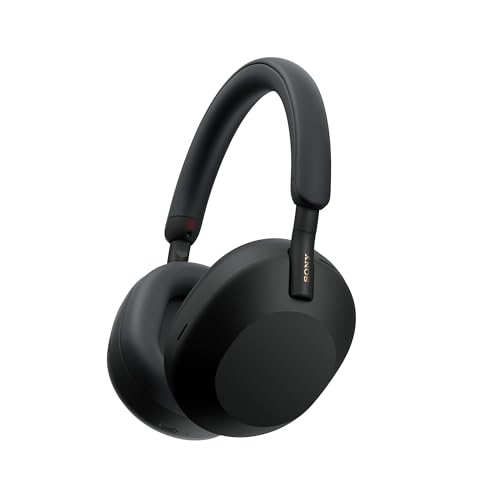
Sony WH-1000XM5 Premium Noise Cancelling Wireless Headphones, Black
- PREMIUM NOISE CANCELLATION: Two processors control 8 microphones for unprecedented noise cancellation. With Auto NC Optimizer, noise canceling is automatically optimized...
- MAGNIFICENT SOUND: Engineered to perfection with the new Integrated Processor V1.
- CRYSTAL CLEAR HANDS-FREE CALLING: 4 beamforming microphones, precise voice pickup, and advanced audio signal processing.
Sale

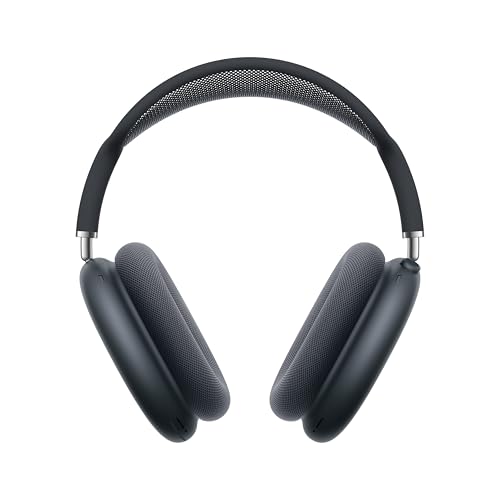
Apple AirPods Max 2 Wireless Over-Ear Headphones – Midnight
- ULTIMATE OVER-EAR LISTENING EXPERIENCE—Powered by the H2 chip, AirPods Max 2 delivers improved high-fidelity audio with deep bass, expansive mids, and crisp highs for...
- TUNE OUT THE NOISE—Up to 1.5x more Active Noise Cancellation than the previous generation, fully immersing you in every sound.*
- HEAR THE WORLD AROUND YOU—Adaptive Audio automatically adjusts noise cancellation levels to suit your environment. Conversation Awareness lowers the volume of what’s...
What “Refurbished” Actually Means
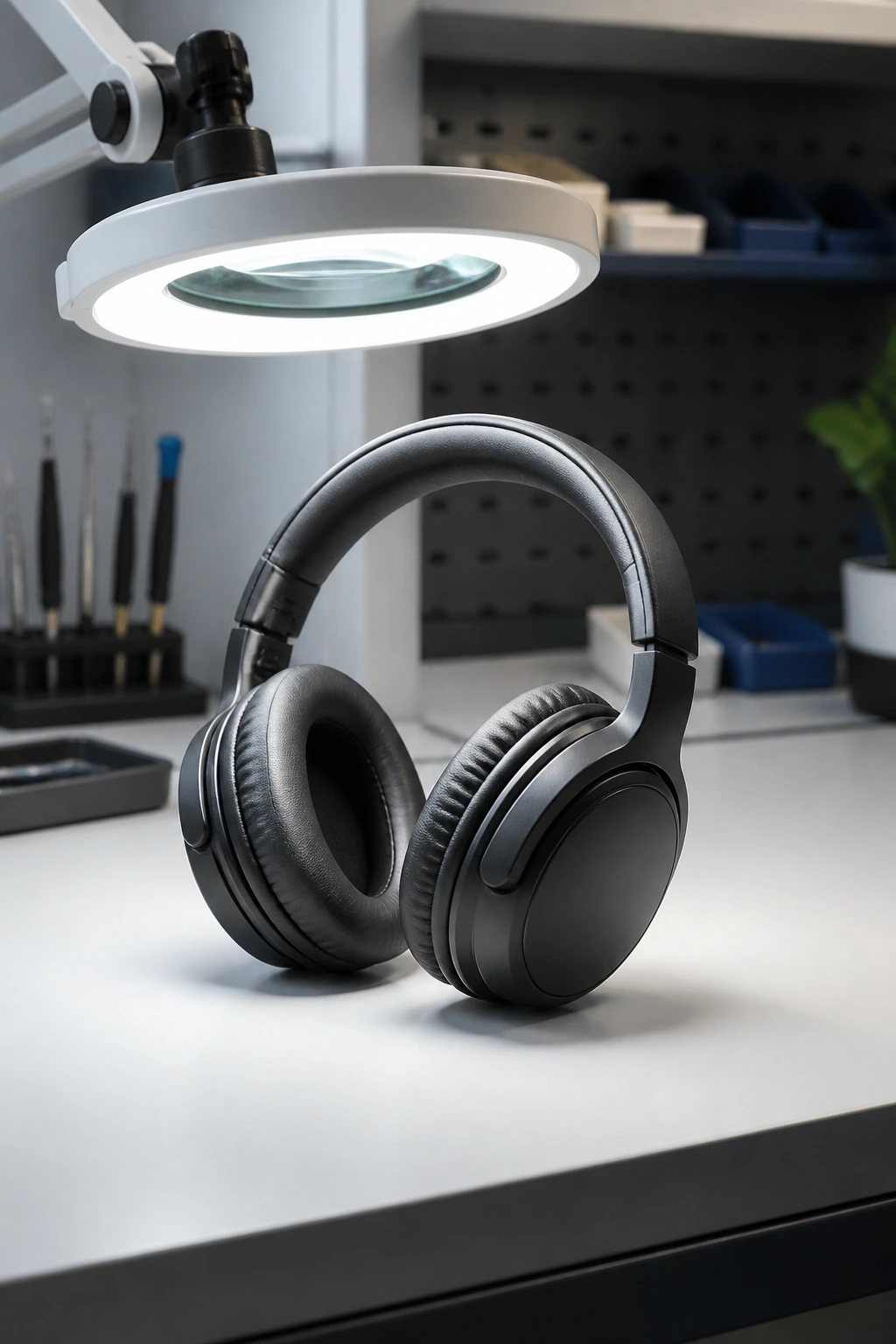
Refurbished doesn’t mean broken and patched up. Most refurbished headphones fall into one of three buckets: customer returns that were opened but barely used, units with minor cosmetic damage that got swapped out under warranty, or display/demo models pulled from store floors. A technician inspects them, replaces worn parts (ear pads, cables, sometimes the battery), tests the drivers and ANC (active noise cancelling, the circuitry that generates opposite sound waves to cancel outside noise) circuitry, then repackages them. The catch is that this process isn’t standardized across sellers. A manufacturer’s own refurb program and a random third-party seller on a marketplace are not doing the same level of work, even if both use the word “certified.”
That’s why the seller matters more than the discount percentage. A 30% price cut from Apple’s refurbished store and a 30% price cut from an unknown eBay account labeled “refurbished” are not equivalent purchases, even though the listing photos might look identical.
Manufacturer-Certified vs. Third-Party Refurbished
Apple, Bose, and Sony all run their own official refurbished programs, and this is where the safest deals live. Apple’s refurbished store sells returned or open-box units that go through full diagnostic testing, get a new outer shell or case where applicable, and ship in a white box with the same one-year warranty as new products — you can even add AppleCare+ on top. Savings typically run in the 15% range off the original retail price, according to reporting from The Penny Hoarder and refurb.me. Bose sells certified refurbished headphones directly through bose.com, and pricing swings are steep: 9to5Toys and SoundGuys have both tracked the QuietComfort line dropping well below half of MSRP during sale periods, with a one-year limited warranty attached from Bose itself. Sony’s approach is a little different — it doesn’t run as visible a direct-to-consumer refurb storefront, but certified refurbished Sony headphones (like the WH-1000XM4) show up regularly through authorized retail partners at prices 30-40% below original MSRP, often carrying a shorter but still real warranty window.
Third-party marketplaces are a different animal. Amazon Renewed requires sellers to meet Amazon’s quality standards and includes a 90-day guarantee for replacement or refund if the item doesn’t work as expected, per Amazon’s own Renewed Guarantee page. Back Market operates on a grading system (Fair, Good, Excellent, Premium) so you know roughly what cosmetic condition to expect, and every purchase comes with a minimum one-year warranty regardless of which independent seller fulfilled it. Both platforms are workable, but you’re trusting a marketplace policy rather than the brand that built the product.
When Refurbished Is a Genuinely Good Deal
Buy refurbished when three things line up: the seller is either the manufacturer or a marketplace with an enforced grading and return policy, the warranty is at least 90 days (ideally a full year), and the price gap is large enough to matter — think $80 or more off a $250 pair, not $15 off a $60 pair. Over-ear headphones with replaceable parts, like ear pads and headbands, are also better refurbished candidates than fully sealed true wireless earbuds, because a tech can actually service and verify the moving parts instead of just wiping the firmware and hoping.
Flagship noise-cancelling headphones are where refurbished shopping pays off the most in practice. A Bose QuietComfort Ultra or Sony WH-1000XM5 refurbished through an official channel gives you the same driver, same ANC chip, and same app support as new, at a price that can undercut even Black Friday sales on the new unit. If you’ve ever tested a refurbished pair and a new pair side by side, the honest answer is you usually can’t tell the difference after the first ten minutes of listening — the ear pads feel the same, the clamping force is the same, and the sound signature hasn’t changed because none of the audio hardware was altered.
When to Skip It and Buy New
Skip refurbished when the warranty is 30 days or less, when the listing doesn’t specify a grading system or inspection process, or when the discount is under 15%. At that point you’re taking on risk for savings that don’t offset it. True wireless earbuds are also a weaker refurbished category overall — battery health degrades with charge cycles, and a refurbished pair may already have logged real-world wear on the battery before you even open the case. If the listing doesn’t mention battery testing specifically, assume it wasn’t done.
Also skip it if you’re buying for someone with sensitive ears or skin conditions. Ear pads and foam tips absorb oils and bacteria over time, and while reputable refurbishers replace pads, cheaper sellers sometimes just wipe them down. If hygiene is a dealbreaker for you, that’s a real reason to pay full price for a sealed new unit, not a snobbery thing.
How to Vet a Refurbished Listing Before You Buy
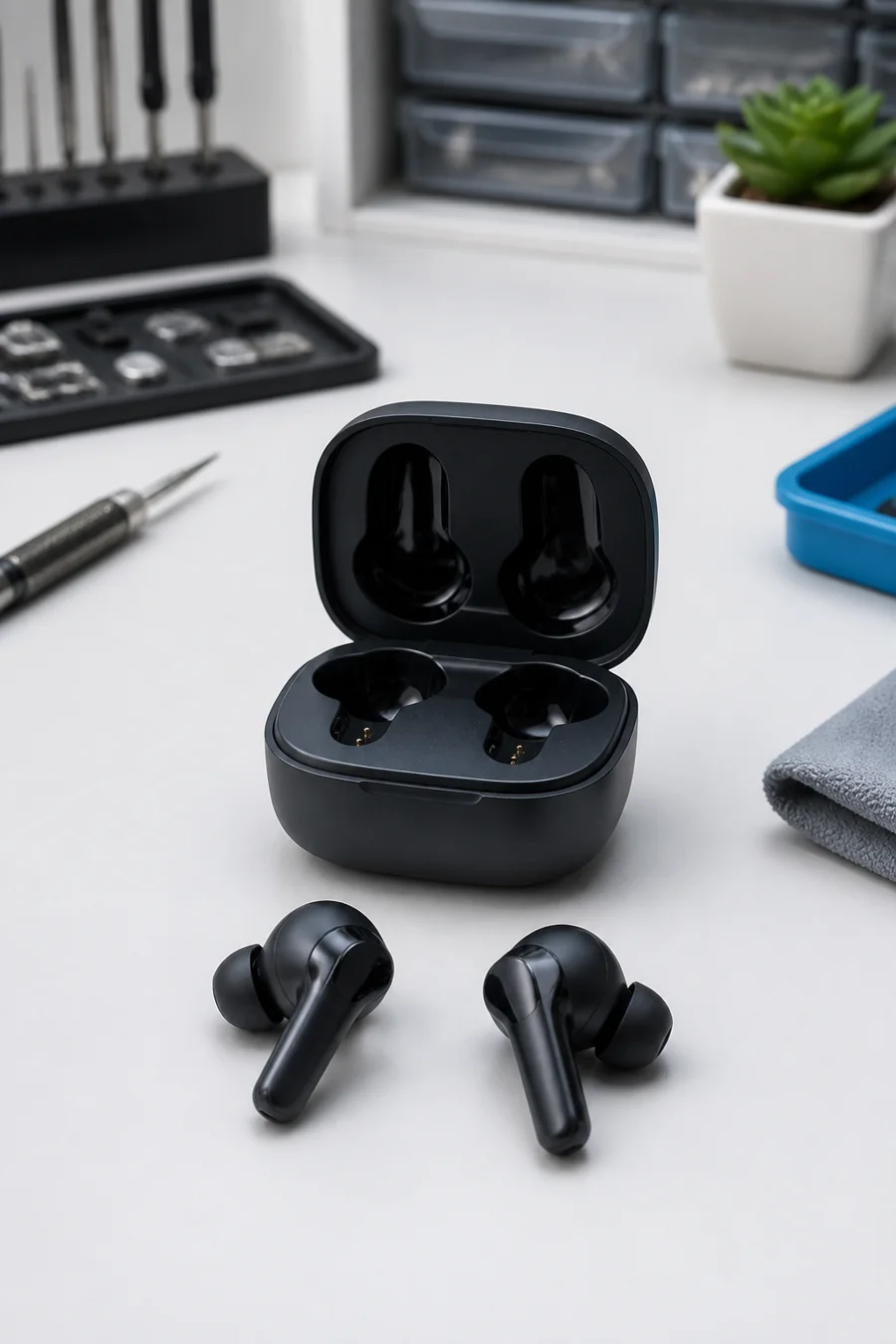
Check three things every time. First, who is the seller — manufacturer direct, an authorized retailer, or an anonymous marketplace account? Second, what’s the warranty length and who honors it — the brand or the platform? Third, does the listing mention what was actually tested or replaced (battery, ear pads, ANC calibration) or is it vague marketing copy? A listing that says “tested and certified” with no detail is worth less than one that says “battery tested to 80% capacity, ear pads replaced, ANC verified.”
It also helps to compare the refurbished price against the lowest historical new price, not the MSRP. A headphone that’s frequently on sale for $180 new isn’t much of a refurbished deal at $160. Sites that track price history, along with retailer sale pages, make this a five-minute check before you commit.
| Source | Typical Warranty | Typical Savings vs. New | Best For |
|---|---|---|---|
| Apple Certified Refurbished (apple.com) | 1 year (AppleCare+ eligible) | ~15% off retail | AirPods Max, safest official option |
| Bose Certified Refurbished (bose.com) | 1 year limited warranty | Up to 40-50% during sales | QuietComfort line, strong deals during promos |
| Sony (authorized retail partners) | Varies, often 90 days-1 year | ~30-40% off MSRP | WH-1000X series, watch for shorter warranty windows |
| Amazon Renewed | 90-day Renewed Guarantee | Varies by seller, often 20-35% | Wide selection, backed by Amazon’s own guarantee |
| Back Market | Minimum 1-year warranty | Varies, graded by condition | Transparent cosmetic grading (Fair/Good/Excellent/Premium) |
| Unverified third-party/eBay listings | Often 30 days or less | Can look large, but risk is higher | Avoid unless seller has strong return history |
The Bottom Line
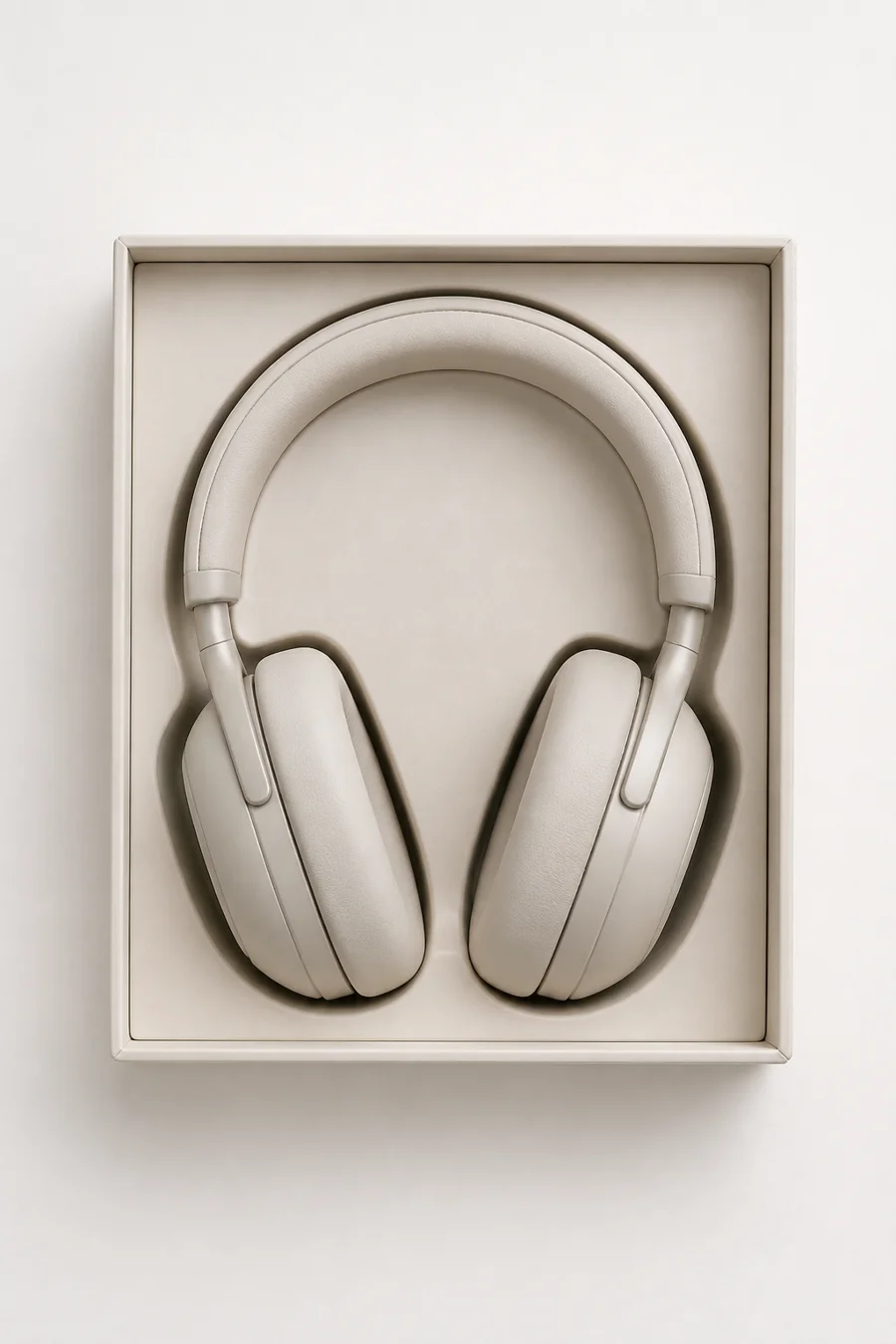
Refurbished headphones are worth buying when you stick to manufacturer programs or marketplaces with real grading and warranty backing — Apple, Bose, Sony’s authorized channels, Amazon Renewed, and Back Market all qualify. Skip anything with a vague inspection process, a warranty under 90 days, or a discount too small to justify the risk. Over-ear noise-cancelling headphones from major brands are the safest refurbished category because they’re serviceable and the savings tend to be substantial. True wireless earbuds and unverified marketplace listings deserve more caution because battery wear and inspection quality are harder to confirm. Check the seller, check the warranty, check what was actually tested — and the refurbished discount usually turns out to be real money saved, not a gamble.