As an Amazon Associate, we earn from qualifying purchases. Some links on this site are affiliate links at no extra cost to you. Our recommendations are based on thorough research and editorial judgment.

Cost Per Hour: Are Expensive Headphones Actually Worth It?

You just dropped $450 on a pair of headphones, and your coworker is still happily using the $40 pair they bought at Target three years ago. Both of you hear music. Both of you get through the workday. So who actually made the smarter purchase? It’s a question that nags at anyone who’s ever hovered over the “buy” button on a premium pair, wondering if the jump from budget to flagship is really worth the money or just clever marketing dressed up as audio science. The honest answer depends less on the sticker price and more on a number most shoppers never calculate: what that headphone actually costs you per hour you wear it.
You may be interested

Sale

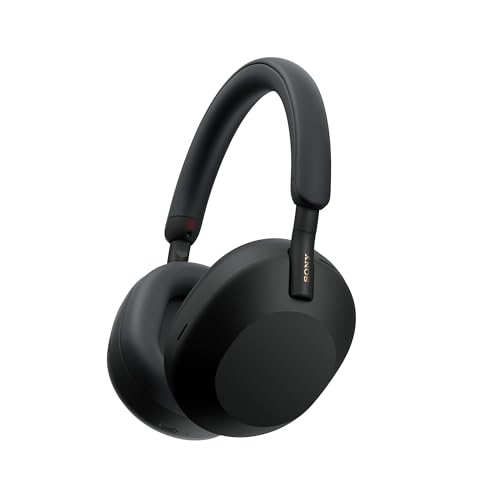
Sony WH-1000XM5 Premium Noise Cancelling Wireless Headphones, Black
- PREMIUM NOISE CANCELLATION: Two processors control 8 microphones for unprecedented noise cancellation. With Auto NC Optimizer, noise canceling is automatically optimized...
- MAGNIFICENT SOUND: Engineered to perfection with the new Integrated Processor V1.
- CRYSTAL CLEAR HANDS-FREE CALLING: 4 beamforming microphones, precise voice pickup, and advanced audio signal processing.

Sale


Bose QuietComfort Ultra Bluetooth Headphones, Wireless Headphones with Spatial Audio, Over Ear Noise...
- SPATIAL AUDIO HEADPHONES: Bose QuietComfort Ultra Headphones with spatial audio give you an immersive experience that makes music feel more real; CustomTune technology...
- NOISE CANCELING HEADPHONES: These wireless noise cancelling headphones feature Quiet Mode, Aware Mode and Immersion Mode, which combines full noise cancellation and Bose...
- HEADPHONES WITH MIC: Microphones focus on the sound of your voice and the bluetooth headphones with microphone filter out background noise for the clearest phone calls of...
Sale

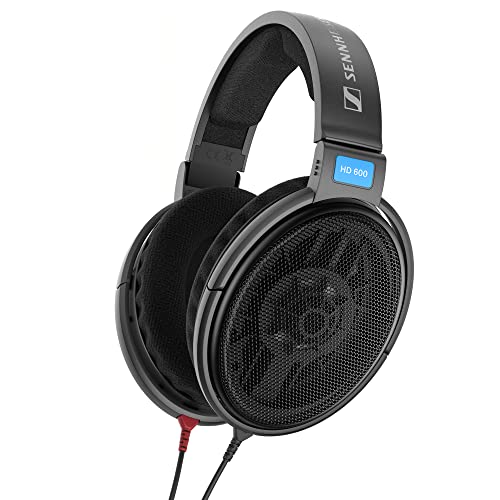
Sennheiser HD600 Headphones
- Audiophile-Grade Clarity: These earphones wired include neodymium ferrous magnets that ensure precise, dynamic audio for immersive listening
- Extended Listening Comfort: Lightweight Sennheiser HD600 corded headphones for music with plush ear pads allows fatigue-free enjoyment during long sessions and daily...
- Durable, Premium Build: Sennheiser wired headphones feature a sophisticated black and gray finish with expertly crafted open metal mesh earpiece covers. Connect it with...
Sale
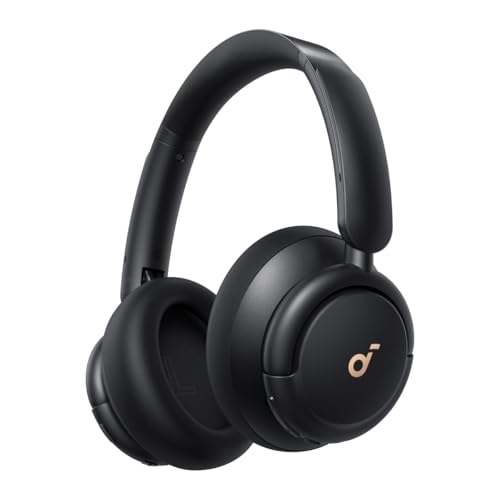
Soundcore by Anker Q30 Hybrid Active Noise Cancelling Headphones, Black
- Advanced Noise Cancellation Technology: Maintain your focus with Life Q30’s hybrid active noise cancellation. Dual noise-detecting microphones pick up and filter out up...
- Ultimate Noise Cancellation Experience: Customize Life Q30’s noise cancellation with 3 modes—Transport minimizes airplane engine noise, Outdoor reduces traffic and...
- Hi-Res Music: Hear every detail of your favorite songs thanks to Life Q30’s 40mm drivers. The highly-flexible silk diaphragms reproduce thumping bass and crisp treble...
What “Cost Per Hour” Actually Means
Cost per hour is a simple idea borrowed from a concept researchers call cost-per-wear, which has mostly been studied in clothing. A team from the University of Bath and Cambridge Judge Business School published a study in Psychology & Marketing in 2026 showing that when shoppers see a garment’s price divided by its expected lifespan, they shift toward buying higher-quality, longer-lasting items instead of cheap ones that wear out fast. The logic transfers directly to headphones. Take the purchase price, divide it by how many hours you realistically expect to use the thing before it dies or you replace it, and you get a real number instead of a gut feeling.
Here’s why this matters more for headphones than it does for, say, a blender. A $40 pair of on-ear Bluetooth headphones and a $450 pair of noise-canceling flagships get used the same way: every commute, every workout, every work-from-home call. The wear pattern is nearly identical. What differs is how long each one survives that pattern and how much better the experience is while it lasts. Cost per hour forces you to weigh both instead of fixating on the number on the price tag.
The math is straightforward. Say you use headphones two hours a day, seven days a week — about 730 hours a year. A $40 pair that lasts 18 months before the hinge cracks or the battery won’t hold a charge costs you roughly $0.036 per hour. A $450 pair that lasts five years at the same usage rate costs about $0.123 per hour. The expensive pair still costs more per hour in this scenario. But stretch that lifespan to eight years, which isn’t unusual for a well-built wired or open-back headphone with no battery to degrade, and the cost per hour drops to $0.077. Suddenly the math tightens up, and the sound quality difference stops being a luxury tax and starts looking like a reasonable trade.
Where Cheap Headphones Actually Fail
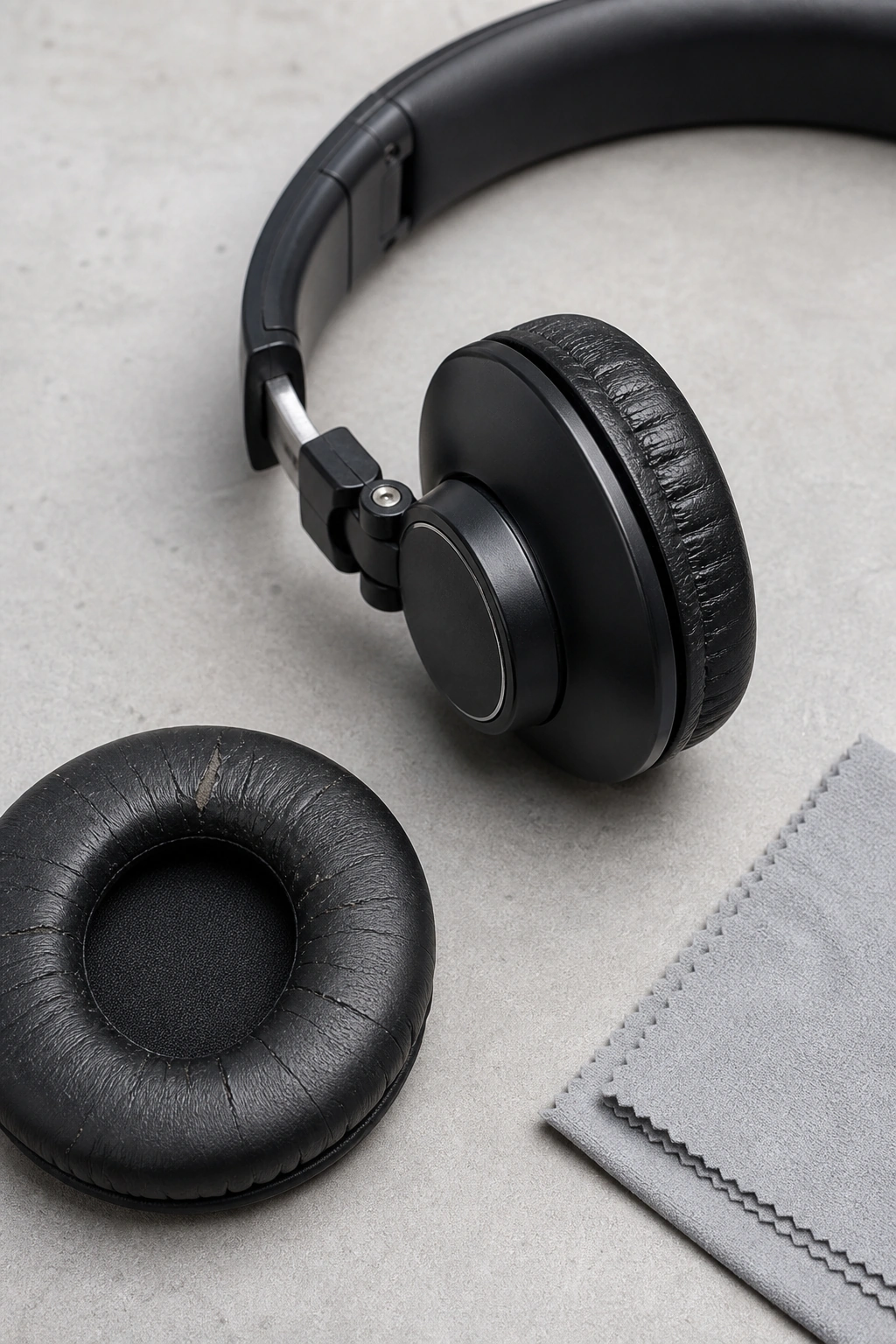
Budget headphones rarely die from one dramatic failure. They erode. The plastic hinge that lets the ear cups fold flat develops a crack after a year of stuffing them in a bag. The foam on the ear pads flakes off and starts sticking to your hair. The Bluetooth connection gets flaky, dropping out mid-call in a way it never did when the headphones were new. None of these are safety issues. They’re just death by a thousand small annoyances, and they usually show up between 12 and 24 months of regular use on headphones in the $30 to $80 range, based on patterns reported across owner reviews for models like the JBL Tune 510BT, which retails for about $39.95.
The bigger issue with budget wireless headphones specifically is the battery. Lithium-ion batteries degrade with every charge cycle, typically losing meaningful capacity after 300 to 500 full charges regardless of price point. On a $40 pair, that battery usually isn’t replaceable, so when it starts dying after four hours instead of forty, the headphones are effectively garbage. On pricier wireless flagships the battery has the same chemistry and the same limits, but at least the rest of the build — the drivers, the hinges, the padding — tends to survive longer, which matters if you’re the type who keeps gear around rather than upgrading every cycle.
None of this means cheap headphones are a bad buy. If you go through headphones fast anyway, lose them, sit on them, or hand them off to a kid, a $40 pair that lasts 18 months and gets replaced without much thought can post a perfectly reasonable cost per hour. The failure mode to watch for is buying budget gear and expecting five years of daily service from it. That combination is where the real money gets wasted.
Where the Premium Price Actually Goes
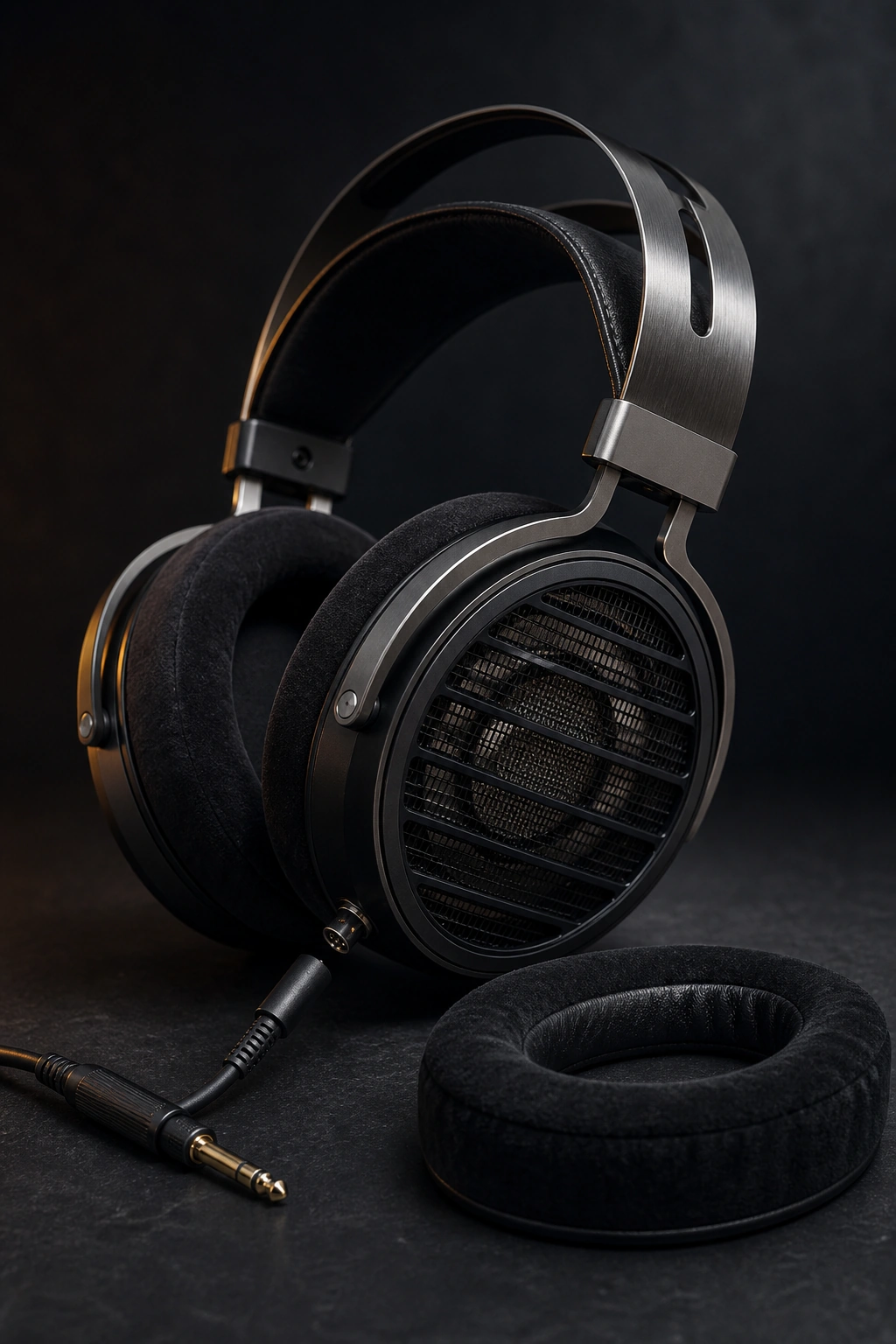
With a flagship pair like the Sony WH-1000XM6, which launched in 2026 at $449.99, part of that price is genuinely audible: better noise cancellation that blocks more of a plane cabin’s low rumble, drivers tuned with more care, and companion software that lets you adjust the sound to your ears. Part of it is also durability that doesn’t show up on a spec sheet — metal hinges instead of plastic, replaceable ear pads, and a build that’s been tested against years of folding and unfolding rather than months.
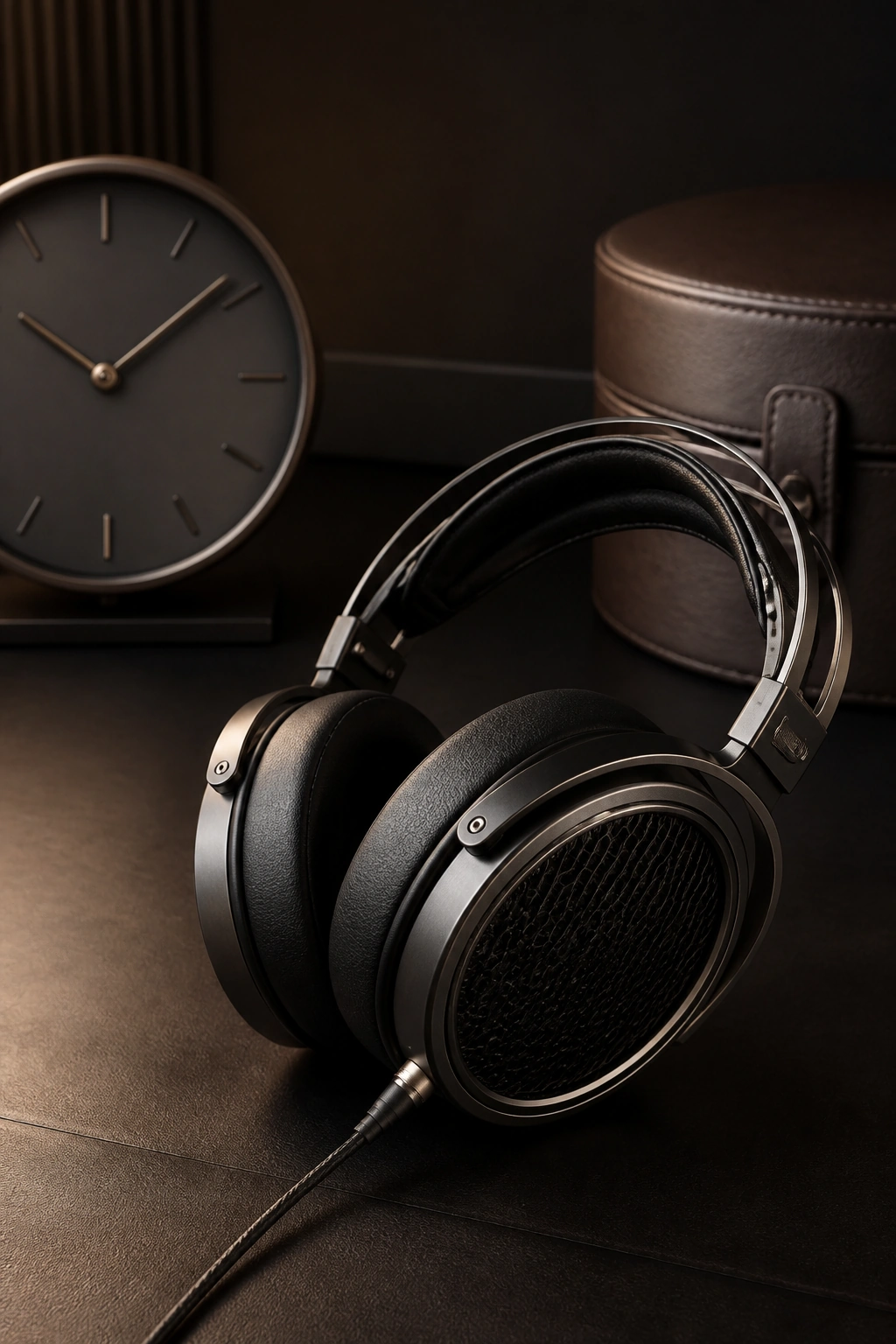
Open-back audiophile headphones make the cost-per-hour case even more clearly, because many of them skip batteries entirely. The Sennheiser HD 660S2, priced at $679.95, is a wired headphone with no battery to degrade and no Bluetooth chip to become outdated. Barring accidental damage, a well-built wired headphone like this can realistically run for eight to ten years or more, since the only wear parts are the cable (replaceable on most Sennheiser models) and the ear pads (also replaceable, usually for $30 to $50). Run the same 730-hours-a-year usage estimate across eight years and the cost per hour lands around $0.116 — cheaper per hour than a $150 pair of wireless headphones that dies in two years.
The catch is that none of this is guaranteed. Expensive headphones can still fail early from a dropped charging case, a cracked headband, or a manufacturing defect. Paying more buys you better odds and usually a longer warranty, not a promise.
Cost Per Hour, By the Numbers
| Headphone Type | Example Price | Typical Lifespan | Hours/Year (2 hrs/day) | Cost Per Hour |
|---|---|---|---|---|
| Budget wireless on-ear (e.g., JBL Tune 510BT) | $39.95 | 1.5 years | 730 | ~$0.036 |
| Budget ANC over-ear (e.g., Anker Soundcore Life Q20) | $59.99 | 2 years | 730 | ~$0.041 |
| Mid-range wireless ANC | $150 | 2.5 years | 730 | ~$0.082 |
| Flagship wireless ANC (e.g., Sony WH-1000XM6) | $449.99 | 4 years | 730 | ~$0.154 |
| Open-back audiophile wired (e.g., Sennheiser HD 660S2) | $679.95 | 8 years | 730 | ~$0.116 |
Lifespan figures above are reasonable estimates based on typical build quality, battery cycle limits, and patterns reported in long-term owner reviews for each price category — not lab-tested numbers, since actual lifespan varies with how carefully you handle your gear. The table shows something a little counterintuitive: the flagship wireless pair, despite being excellent headphones, doesn’t necessarily win on cost per hour, because it still has a battery capping its usable life. The wired open-back pair wins on pure economics precisely because it has no battery to fail.
How to Actually Use This When You’re Shopping
Start by being honest about your usage pattern. If you use headphones 30 minutes a day for the occasional podcast, cost per hour barely matters — buy whatever sounds good in your price range and don’t overthink it. If you’re wearing headphones six or eight hours a day for work calls, that’s over 2,000 hours a year, and the durability and comfort of a pricier pair pays for itself fast, both in dollars and in how your ears feel by hour six.
Next, separate the features you’re paying for. Active noise cancellation, wireless convenience, and touch controls all add cost and also add another point of failure — more electronics, more firmware, more things that can glitch or wear out. A wired pair with no battery and fewer moving parts will almost always out-survive a wireless pair at the same price point, so if raw longevity is your priority over convenience, wired is the safer bet.
Finally, check what’s replaceable before you buy. Ear pads that wear out are a normal, cheap fix — most brands sell replacements for $15 to $40. A sealed, non-removable battery is a bigger risk, since it caps the headphone’s life no matter how well everything else is built. Brands like Sennheiser, Sony, and Bose typically sell replacement parts and offer two-year warranties, which tells you the manufacturer expects the product to last. Cheaper no-name brands rarely offer either, and that absence is itself useful information about how long the company expects the product to survive.
The Bottom Line
Expensive headphones aren’t automatically the better deal, and cheap ones aren’t automatically wasteful — it depends entirely on how long each one survives your actual usage and what you’re doing with your ears in the meantime. Heavy daily users get the most value from paying more, since durability and comfort compound over thousands of hours. Light or occasional listeners often do just as well with a $40 pair replaced every year or two. Before your next purchase, do the division: price divided by realistic hours of use. It won’t tell you which headphone sounds best, but it will tell you which one is actually worth your money.
Related headphone guides
- Beats Fit Pro vs AirPods Pro 2: Which Apple Earbuds Are Actually Worth It
- Bang & Olufsen Headphones: Is the Luxury Price Worth It?
- Audio-Technica Headphones Buying Guide: Are They Worth It?
- Are Sony Headphones Good for Gaming?
- Are Gaming Headphones Good for Listening to Music?
- Marshall Headphones Review Roundup: Which Model Actually Deserves Your Money