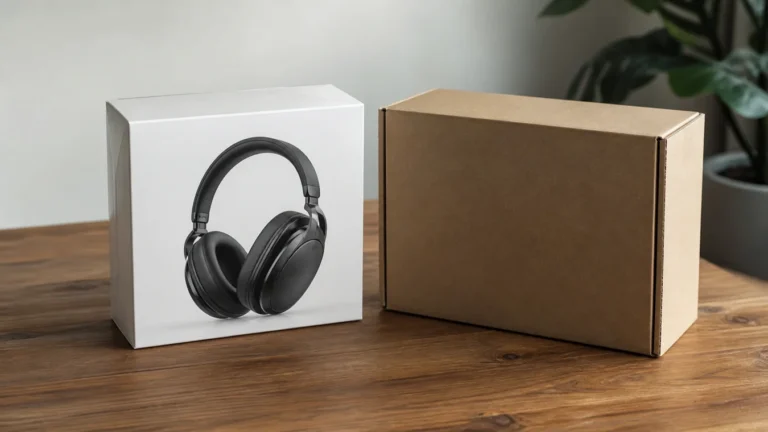
As an Amazon Associate, we earn from qualifying purchases. Some links on this site are affiliate links at no extra cost to you. Our recommendations are based on thorough research and editorial judgment.

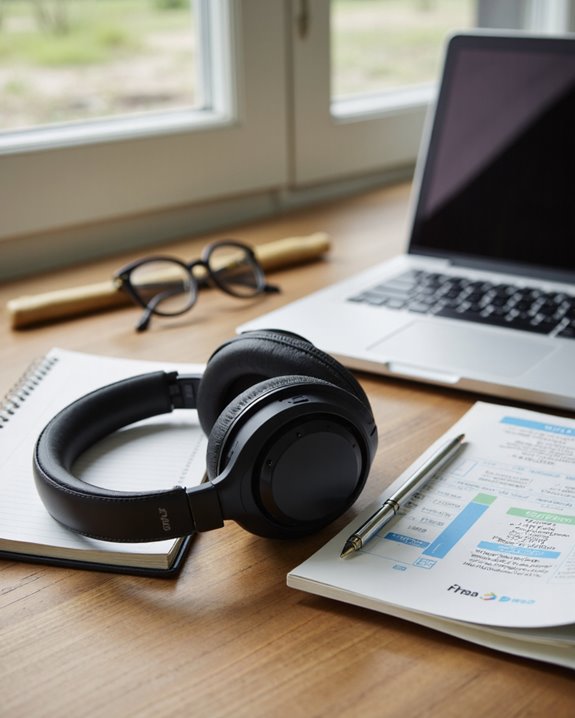
Are Noise Cancelling Headphones FSA-Eligible?

Short answer: no, noise cancelling headphones are not FSA-eligible by default. I get asked this constantly, and the reflex answer people want is a simple yes or no — but insurance paperwork rarely works that way. Your FSA can cover them if a doctor or other licensed provider writes a Letter of Medical Necessity tying the purchase to a real, diagnosed condition — tinnitus, ADHD, hyperacusis, and certain sensory or anxiety disorders show up most often. That letter has to spell out the diagnosis and explain, in plain terms, how the headphones actually help treat it. Skip that step and most plan administrators will file your pair right next to a personal luxury item and reject the claim. Below, I’ll walk through exactly what counts, how the documentation works, and how to actually get reimbursed instead of guessing.
Key Takeaways
- By default, noise cancelling headphones fall outside FSA coverage because plans treat them as a comfort purchase, not a medical one.
- A provider can change that by prescribing them for a documented medical condition.
- You’ll need a Letter of Medical Necessity spelling out the diagnosis and how the headphones fit into your treatment.
- Conditions that tend to qualify include tinnitus, hyperacusis, ADHD, anxiety, and some sleep disorders.
- Whether your claim gets approved really comes down to your paperwork and your specific plan administrator’s rules.
How an FSA Actually Works
You may be interested
An FSA is basically a discount on your own money. You set aside pre-tax income — up to whatever the IRS caps it at that year — through your employer, then spend it on eligible items and services tied to treating or managing a medical condition. The catch: it’s use-it-or-lose-it within the plan year, aside from the odd grace period or small carryover some employers allow. Reimbursement covers a fairly specific list — copays, prescriptions, that sort of thing — and plenty of everyday health-adjacent purchases simply aren’t on it. When something falls into a gray zone, a Letter of Medical Necessity is often the tool that pulls it back onto the approved list.
What Actually Makes an Expense FSA-Eligible
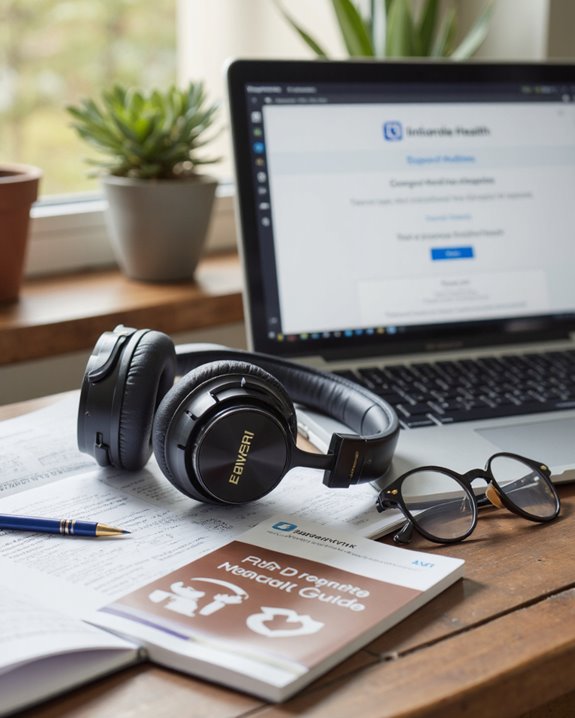
Eligibility comes down to two things: federal guidelines and whatever your specific plan layers on top. An item has to be primarily meant to treat or ease a medical issue, and it usually needs a healthcare provider to back that up in writing. That’s the Letter of Medical Necessity again — it’s the document that formally states why a product is medically necessary rather than merely nice to have. Hearing aids and their accessories clear this bar easily, since their medical purpose is obvious and undisputed. Noise cancelling headphones don’t get that automatic pass — they’re treated as a personal purchase unless your plan administrator makes an exception backed by documentation.
What Noise Cancelling Headphones Actually Do
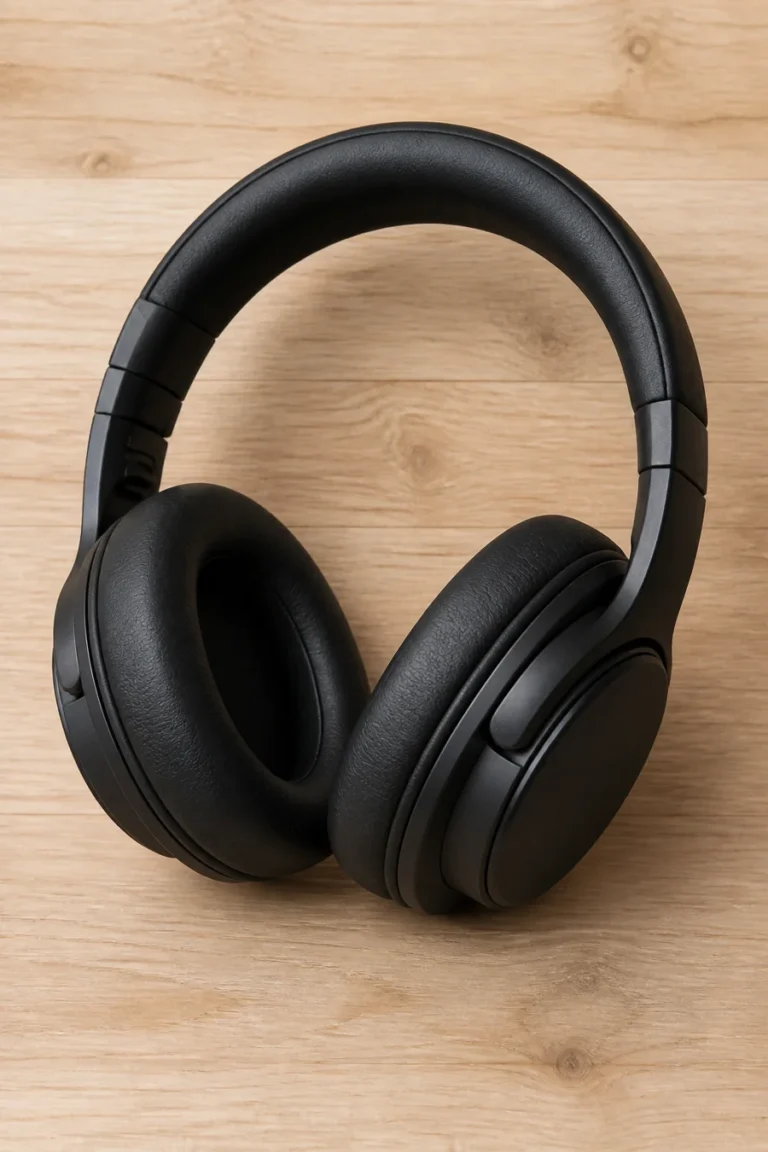
These aren’t just padded ear cups. Modern noise cancelling headphones actively fight ambient sound using active noise control systems — built-in microphones pick up what’s happening around you, and the headphones generate inverse sound waves to cancel it out in real time. It’s a neat trick, and it noticeably drops background noise on a plane or in a loud open office. Most models also lean on passive noise isolation — the physical seal of the ear cup material doing its part alongside the electronics. Many let you dial in adjustable noise cancellation levels depending on where you are. For anyone dealing with sensory sensitivities or attention difficulties, that combination can genuinely improve focus, not just comfort. The Upgrade Pro, for instance, leans on hybrid ANC technology to push noise reduction further while stretching battery life.
Medical Conditions Where Noise Reduction Genuinely Helps
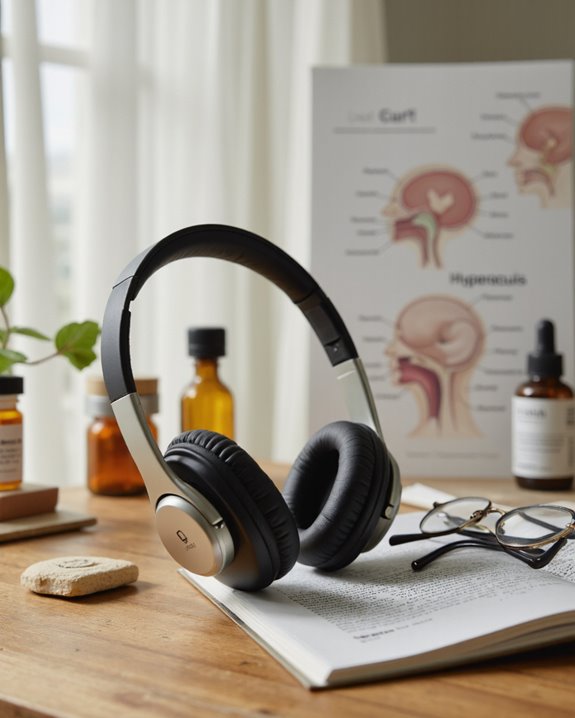
We tend to picture noise cancelling headphones on a plane or a commuter train, but there’s a real clinical case for them too. Take tinnitus: the constant ringing gets worse around loud, chaotic environments, and cutting that outside noise can bring genuine relief. Hyperacusis is its own animal — everyday sounds become physically uncomfortable, even painful, so serious noise reduction isn’t a luxury, it’s damage control. People with ADHD often find that stripping away background chatter frees up the attention that would otherwise get hijacked by it. Anxiety disorders frequently come with heightened noise sensitivity, so quieting the environment can take some pressure off. And for insomnia or other sleep disorders, a quieter room can be the difference between drifting off and staring at the ceiling. A lot of this benefit comes down to headphones with advanced noise cancellation, including AI-assisted noise reduction now built into newer models.
Why the Letter of Medical Necessity Matters So Much
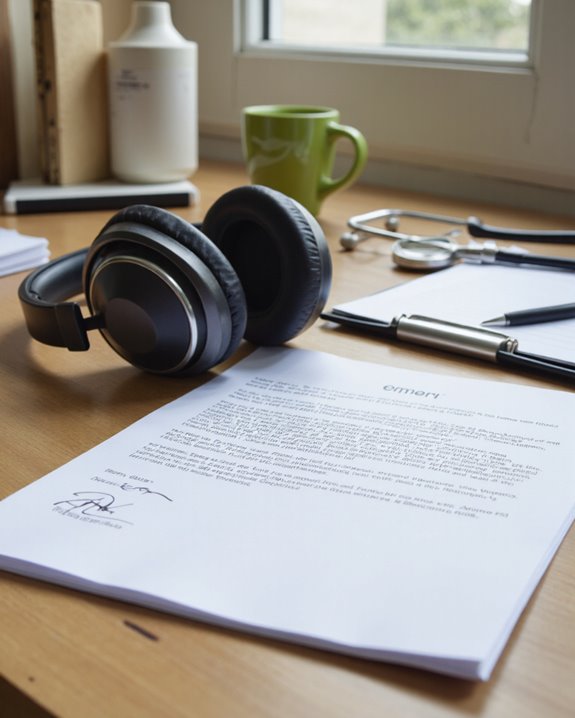
If you’re chasing FSA reimbursement for noise-canceling headphones, the LMN is the whole ballgame. Your healthcare provider needs to name the medical condition — anxiety, a sensory processing disorder, hearing loss, whatever applies — and explain, specifically, how the headphones address it. Generic language won’t cut it; the letter needs to connect the dots between the diagnosis and the therapeutic benefit the headphones provide. It also has to state a duration for the treatment, since that duration determines how long your reimbursement eligibility lasts. Still need the headphones once the plan year rolls over? You’ll need a fresh LMN to keep the reimbursement valid — providers don’t auto-renew these, and neither does your FSA administrator.
How to Actually Get Reimbursed
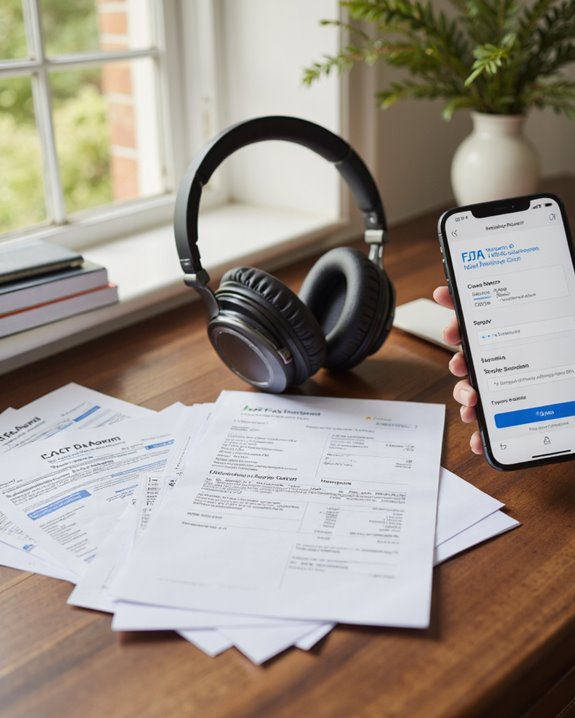
Once your LMN is in hand, the rest is administrative legwork. Confirm the letter names your medical condition, explains why sound reduction is necessary, and states a recommended duration of use. When you file your reimbursement claim form, attach the LMN alongside your original purchase receipts — missing either one is the fastest way to get bounced back for resubmission. Your FSA administrator reviews everything to decide whether the headphones count as eligible items under your specific plan, so hang onto copies of every document in case they ask follow-up questions. One thing worth flagging: this route isn’t available through a Limited-Purpose or Dependent Care FSA — it has to be a standard health FSA.
How Headphones Stack Up Against Other FSA-Eligible Hearing Protection
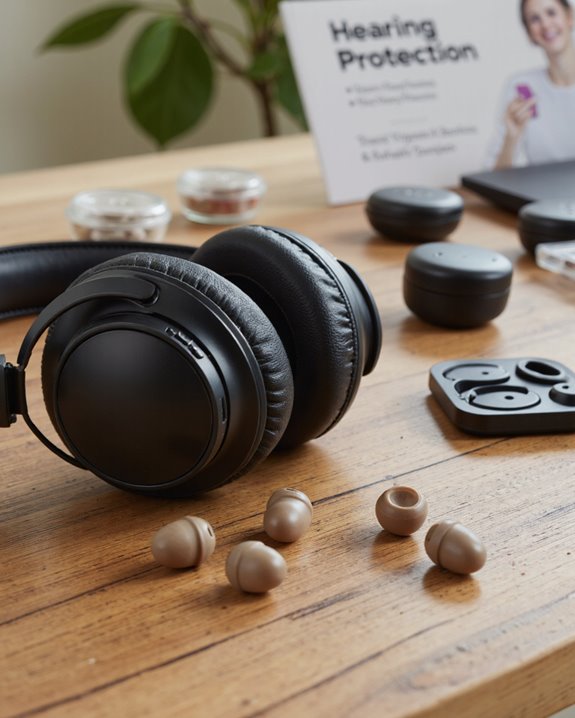
It helps to see where noise cancelling headphones sit next to simpler options like ear plugs, since FSA guidelines treat the two quite differently.
Ear plugs get an easier path — they’re explicitly FSA-eligible with a Letter of Medical Necessity naming the condition that requires sound reduction. Their Noise Reduction Rating (NRR) gives a hard number for how much protection they offer, which plan administrators like because it’s measurable. Noise cancelling headphones work differently, leaning on electronics for broader sound isolation rather than a simple physical barrier. Because they’re marketed heavily for travel and leisure, though, they don’t get the same automatic pass — you’ll still need an LMN spelling out the medical necessity. Bottom line: both reduce sound, but ear plugs are the more paperwork-friendly option under most FSA policies.
What Documentation You’ll Actually Need
Noise cancelling headphones aren’t FSA-eligible out of the box, but there’s a workable path if you can show real medical necessity. Start with a Letter of Medical Necessity from your provider. It needs to name the medical condition being treated and lay out, specifically, how the headphones will alleviate symptoms as part of your broader treatment plan. It should also state a recommended duration of use that lines up with your treatment timeline. If your provider expects you’ll need the headphones beyond the current plan year, plan on getting an updated LMN before that year ends. Skimp on any of this and expect your claim denied — proper documentation really is non-negotiable here.
Where This Can Still Go Wrong
A lot of FSA holders are caught off guard by how strict the rules are here. Most FSA guidelines lump noise cancelling headphones in with personal comfort items rather than necessary medical devices, so by default, reimbursement is a no. Even with a Letter of Medical Necessity connecting the headphones to a diagnosed medical condition — complete with treatment plan and duration — approval still isn’t guaranteed; it’s ultimately the benefits provider’s call. Limited-purpose FSAs go a step further and rule out noise cancelling headphones entirely, no matter how solid your paperwork is. Know these limits going in, because incomplete documentation is the single biggest reason legitimate claims get denied.
When in Doubt, Call Your FSA Administrator
Honestly, the fastest way to cut through all this uncertainty is to just call your FSA administrator and ask directly whether noise cancelling headphones qualify as an eligible expense on your plan. They’re the ones who can tell you, definitively, whether the devices count as a reimbursable medical expense and what their eligibility checklist actually looks like. Ask about the claims process itself — which forms, which receipts, what format they expect. If a Letter of Medical Necessity is required, get clarity on exactly what it needs to include. And don’t forget to nail down submitting claims deadlines; missing a cutoff can undo months of careful documentation. A five-minute call upfront saves a lot of frustration later.
Frequently Asked Questions
Are Earplugs Eligible for FSA?
Given how common hearing loss is, this comes up a lot. Yes — with a doctor’s note documenting benefits like noise reduction, better sleep, or fewer workplace distractions, earplugs are FSA-eligible.
Can You Write off Noise Cancelling Headphones?
Think of it less as a “write-off” and more as a medical-expense deduction. You’ll need documented proof of a health benefit — sound therapy, noise reduction, stress relief — tied to a genuine medical necessity, not just personal preference.
Are Sleep Headphones FSA Eligible?
Same rule applies: a Letter of Medical Necessity showing they support sleep health — think insomnia relief, reduced nighttime noise, or a documented sleep disorder — is what gets sleep headphones over the FSA line.
Are Hearing Aid Accessories FSA Eligible?
Good news here — this one’s more straightforward. Hearing aid batteries, maintenance, audiologist visits, assistive listening devices, cochlear implant accessories, hearing protection, and tinnitus relief products are all typically FSA-eligible.