As an Amazon Associate, we earn from qualifying purchases. Some links on this site are affiliate links at no extra cost to you. Our recommendations are based on thorough research and editorial judgment.

Headphone Extended Warranty: Worth It or Not?

You just dropped $350 on a pair of headphones, and the checkout screen is asking if you want to add a protection plan for another $40 or $50. It happens at Best Buy, on Amazon, even when buying directly from Sony’s site. The question feels small in the moment, but multiply it across every gadget you own and it adds up fast. Extended warranties on headphones are a mixed bag — sometimes genuinely useful, sometimes a quiet tax on your anxiety. The right call depends on the price of your headphones, how you actually use them day to day, and what coverage you already have before you reach for your wallet.
You may be interested

Sale

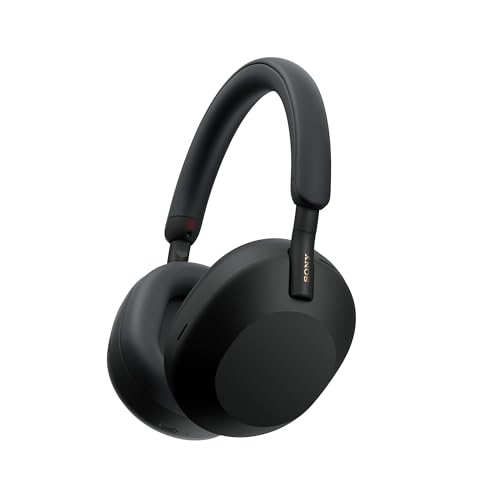
Sony WH-1000XM5 Premium Noise Cancelling Wireless Headphones, Black
- PREMIUM NOISE CANCELLATION: Two processors control 8 microphones for unprecedented noise cancellation. With Auto NC Optimizer, noise canceling is automatically optimized...
- MAGNIFICENT SOUND: Engineered to perfection with the new Integrated Processor V1.
- CRYSTAL CLEAR HANDS-FREE CALLING: 4 beamforming microphones, precise voice pickup, and advanced audio signal processing.

Sale


Bose QuietComfort Ultra Bluetooth Headphones, Wireless Headphones with Spatial Audio, Over Ear Noise...
- SPATIAL AUDIO HEADPHONES: Bose QuietComfort Ultra Headphones with spatial audio give you an immersive experience that makes music feel more real; CustomTune technology...
- NOISE CANCELING HEADPHONES: These wireless noise cancelling headphones feature Quiet Mode, Aware Mode and Immersion Mode, which combines full noise cancellation and Bose...
- HEADPHONES WITH MIC: Microphones focus on the sound of your voice and the bluetooth headphones with microphone filter out background noise for the clearest phone calls of...
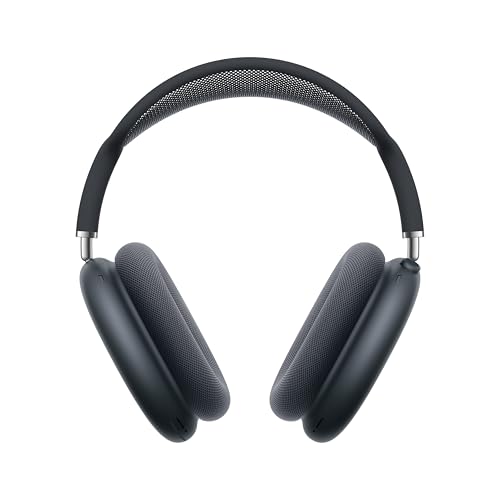
Apple AirPods Max 2 Wireless Over-Ear Headphones – Midnight
- ULTIMATE OVER-EAR LISTENING EXPERIENCE—Powered by the H2 chip, AirPods Max 2 delivers improved high-fidelity audio with deep bass, expansive mids, and crisp highs for...
- TUNE OUT THE NOISE—Up to 1.5x more Active Noise Cancellation than the previous generation, fully immersing you in every sound.*
- HEAR THE WORLD AROUND YOU—Adaptive Audio automatically adjusts noise cancellation levels to suit your environment. Conversation Awareness lowers the volume of what’s...
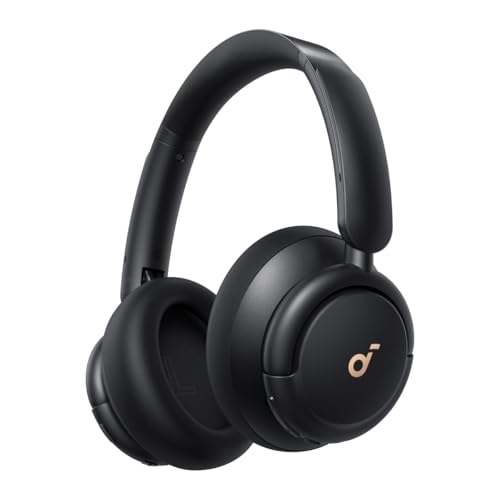
Soundcore by Anker Q30 Hybrid Active Noise Cancelling Headphones, Black
- Advanced Noise Cancellation Technology: Maintain your focus with Life Q30’s hybrid active noise cancellation. Dual noise-detecting microphones pick up and filter out up...
- Ultimate Noise Cancellation Experience: Customize Life Q30’s noise cancellation with 3 modes—Transport minimizes airplane engine noise, Outdoor reduces traffic and...
- Hi-Res Music: Hear every detail of your favorite songs thanks to Life Q30’s 40mm drivers. The highly-flexible silk diaphragms reproduce thumping bass and crisp treble...
What Your Manufacturer Warranty Already Covers
Every new pair of headphones comes with baseline coverage whether you ask for it or not. Sony and Bose both back their headphones with a one-year warranty against manufacturing defects. Sennheiser stretches that to two years on most models, as long as you can show proof of purchase. Apple and Beats sit at one year standard, with AppleCare+ sold separately to extend it. Jabra offers one year on most models, with 180 days on refurbished units and longer coverage (two to three years) specifically for dust, water, or sweat resistance on select earbuds.
Here’s the catch that trips people up: none of these standard warranties cover accidents. Drop your headphones off a nightstand and crack the hinge, and the manufacturer warranty won’t pay for that repair. It only kicks in for defects — a driver (the small speaker component that produces sound) that dies on its own, a charging port that stops working with no physical damage, a battery that won’t hold a charge within the coverage window. Cosmetic wear, lost earbuds, water damage from anything beyond light sweat, and unauthorized repairs are excluded across the board. If your headphones broke because of something you did, the manufacturer warranty almost never helps.
What Extended Warranties Actually Add
The pitch behind paid protection plans is accidental damage coverage, and that’s the real difference from what you get for free. Asurion sells headphone protection plans priced by the value of the headphones, with 2-year plans running roughly $30 to $40 for headphones in the $30 to $40 price range, scaling up from there. Allstate/SquareTrade plans sold through Target follow a similar tiered structure, with 2-year plans for $150 to $175 headphones landing in a comparable range. Sony Protect plans, sold through retailers like Adorama, price out separately by product value too — a 3-year plan for headphones between $300 and $400 costs more than the equivalent plan for a $150 pair.
AppleCare+ for headphones works differently. It costs around $29 for AirPods and AirPods Pro, and $59 for AirPods Max, based on pricing when the product launched. It extends coverage to two years and adds unlimited accidental damage incidents, each subject to a $29 service fee. That service fee detail matters — you’re not getting free repairs, you’re getting discounted ones. Without AppleCare+, a cracked AirPods Max ear cup replacement can cost close to what a new pair costs; with it, you pay $29 instead.
Best Buy’s Geek Squad Protection for headphones works on a similar model: pay upfront, then pay a smaller fee or nothing when something breaks, depending on the plan tier. The value proposition is the same across all these plans — you’re paying now to cap your future risk on accidental damage that the manufacturer warranty was never going to cover anyway.
When It’s Actually Worth Buying
Price is the first filter. A $500 pair of open-back audiophile headphones or noise-canceling flagships like the Sony WH-1000XM5 or Bose QuietComfort Ultra represent enough money that a $40 to $60 protection plan is a rounding error against the risk of a full replacement. Below $100, the math gets shakier — you’re often paying 20 to 30 percent of the product’s value for two years of coverage on something you could just replace outright if it breaks.
Your own history with gadgets matters more than most buying guides admit. If you’ve cracked a phone screen, lost earbuds in an airport, or run headphones through the wash in a jacket pocket before, you are the target customer for accidental damage coverage. If your last three pairs of headphones are all still working fine in a drawer somewhere, you’re probably not.
Kids, commuting, and gym use push the odds in favor of buying a plan. Headphones that travel in a backpack every day, get tossed on a gym bench, or end up in a kid’s hands face far more physical risk than a pair that lives on a desk stand in a home office. Frequent flyers who check bags or cram earbuds into a jacket pocket for a flight are also a reasonable case — airport handling and pocket crushing account for a meaningful share of accidental damage claims industry-wide.
When to Skip It
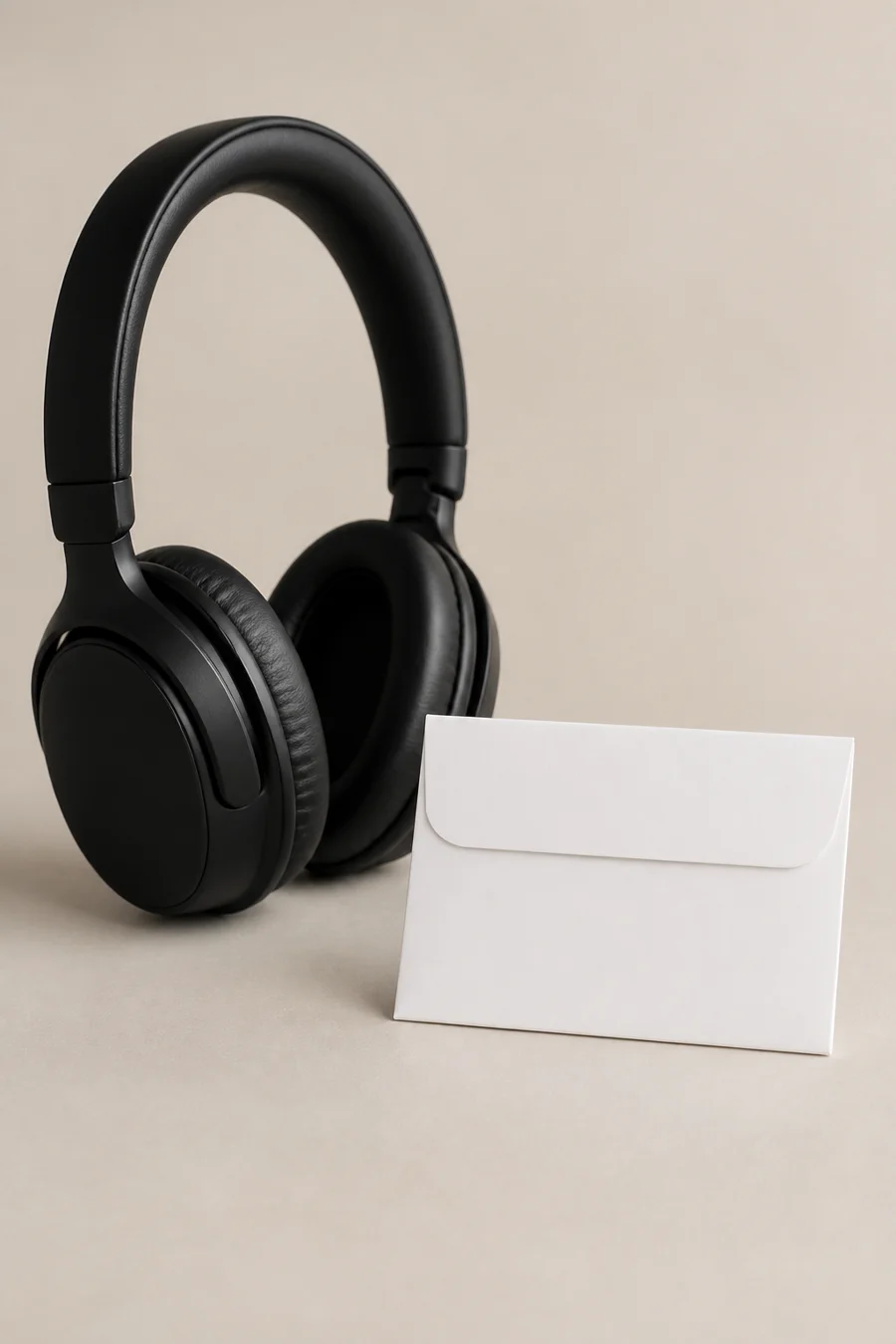
Skip the plan on anything under roughly $100. Budget and mid-range headphones from brands like JBL, Anker Soundcore, or entry-level Sony models are cheap enough to replace that a protection plan rarely pays for itself — you’d need the headphones to actually break within the coverage window to break even, and most don’t.
Check your credit card before buying anything. Many cards, including Chase Sapphire and several American Express cards, include a built-in extended warranty benefit that adds an extra year or two of coverage automatically when you pay with that card, at no extra cost. Coverage details and dollar limits vary by issuer, so it’s worth pulling up your card’s Guide to Benefits, but if you already have this perk, a paid plan may be redundant for manufacturing defects — though it typically still won’t cover accidents, so factor that in.
If you’re the type who keeps headphones in a hard case, treats them gently, and has a track record of gadgets lasting years, the odds are already in your favor. Self-insuring — setting aside the $30 to $60 you’d spend on a plan instead of buying one — can make more financial sense if you rarely file claims on anything.
Comparing Your Options
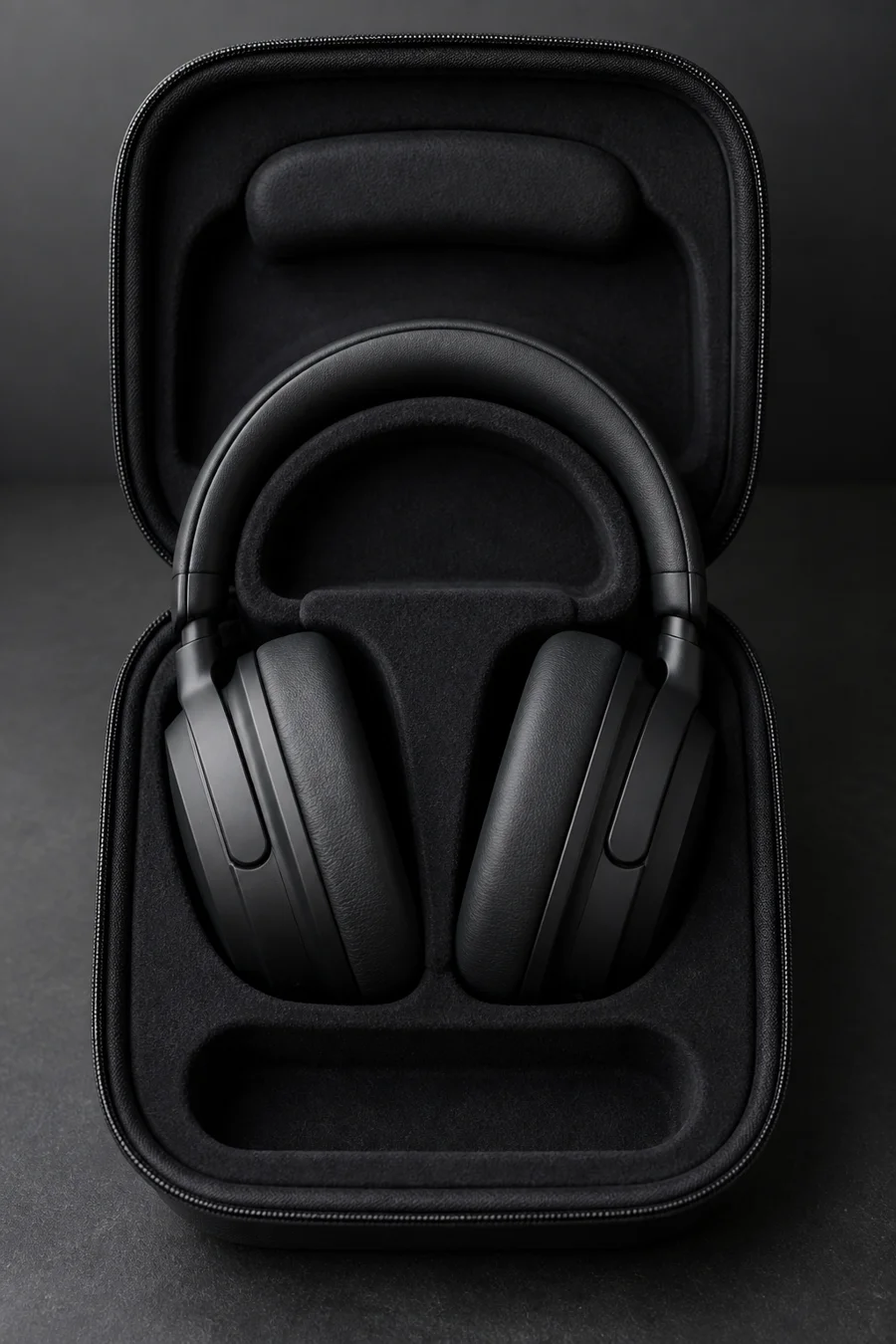
| Protection Option | Typical Cost | Coverage Length | Covers Accidents? | Best For |
|---|---|---|---|---|
| Manufacturer warranty (Sony, Bose) | Free (included) | 1 year | No | Everyone, by default |
| Manufacturer warranty (Sennheiser) | Free (included) | 2 years | No | Everyone, by default |
| AppleCare+ for Headphones | ~$29 (AirPods) / ~$59 (AirPods Max) | 2 years | Yes, $29 fee per incident | AirPods and AirPods Max owners |
| Asurion Headphone Protection Plan | ~$30–$80 depending on product price | 2–3 years | Yes | Mid-to-high-end headphones, frequent travelers |
| Allstate/SquareTrade (via Target) | ~$20–$40+ depending on product price | 2 years | Yes | Target purchases, budget-to-mid headphones |
| Sony Protect Plan (via Adorama) | Priced by product value tier | 2–3 years | Optional add-on tier | Sony headphone buyers |
| Credit card extended warranty | Free (card benefit) | Manufacturer warranty + 1–2 years | No, defects only | Cardholders with Chase Sapphire, Amex, etc. |
The Bottom Line
There’s no universal answer here, but there is a decent rule of thumb: the more expensive the headphones and the clumsier your track record, the more a protection plan pays for itself. For a $500 pair of noise-canceling headphones that ride in your bag every day, a $40 to $60 plan covering accidental damage is cheap insurance. For a $60 pair of budget earbuds, skip it and just replace them if they break. Before buying anything, check what your manufacturer warranty already covers and whether your credit card quietly extends it for free — you might already have more protection than the checkout page is letting on.
Related headphone guides
- Cost Per Hour: Are Expensive Headphones Actually Worth It?
- Beats Fit Pro vs AirPods Pro 2: Which Apple Earbuds Are Actually Worth It
- Bang & Olufsen Headphones: Is the Luxury Price Worth It?
- Do Bose Headphones Have a Warranty?
- Are Sony Headphones Good for Gaming?
- Are Gaming Headphones Good for Listening to Music?