As an Amazon Associate, we earn from qualifying purchases. Some links on this site are affiliate links at no extra cost to you. Our recommendations are based on thorough research and editorial judgment.

Is It Bad to Sleep With Noise Cancelling Headphones?

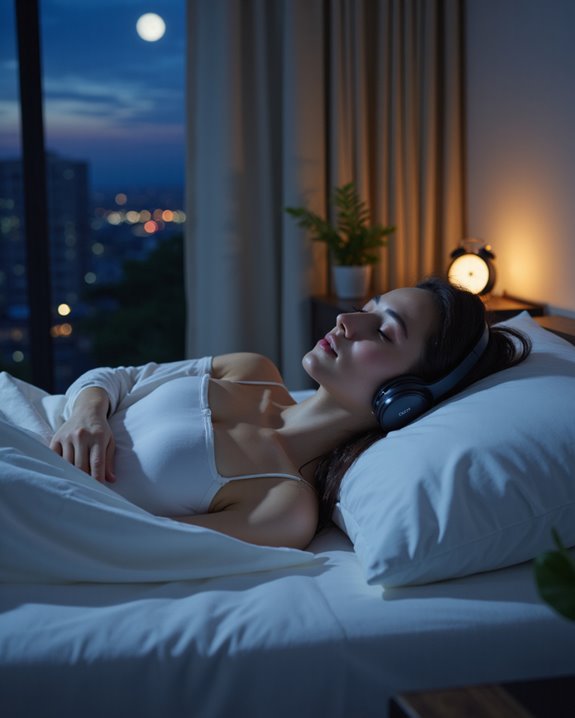
Sleeping with noise-canceling headphones isn’t inherently bad, but we need to weigh benefits against potential risks. They can effectively block ambient noise and promote restful sleep, yet extended use may cause earwax buildup, heighten the risk of ear infections, and produce discomfort—especially for side sleepers. Maintaining low volumes (below 40 decibels), choosing ergonomic designs, and strict hygiene help reduce issues. Battery life and fit also matter. For a deeper look at safe use and ideal options, let’s examine the details.
Key Takeaways
- Sleeping with noise-canceling headphones can improve sleep by blocking disruptive sounds and providing relaxing audio.
- Prolonged use may cause earwax buildup, moisture retention, and increase the risk of ear infections if not managed properly.
- Pressure and discomfort are common, especially for side sleepers, due to compression between the head and pillow.
- Regular cleaning and taking breaks from headphone use are essential to maintain ear hygiene and comfort.
- Safe listening practices, such as keeping volume below 40 decibels, help prevent long-term hearing damage.
Why People Sleep With Noise-Canceling Headphones
You may be interested
Although we all have unique sleep environments, many of us turn to noise-canceling headphones at night to manage disruptive sounds like snoring or street traffic. These headphones are engineered to block low-frequency noises, using active noise control technology that generates sound waves to counteract ambient disruptions. For light sleepers, this capability is essential, as even minor environmental sounds can fragment sleep cycles and reduce deep sleep duration. By integrating soothing sounds—whether white noise, calming music, or nature audio—through noise-canceling headphones, we can create a consistent auditory environment that signals relaxation and supports the shift to sleep. Over time, this practice can improve sleep routines and enhance sleep quality by minimizing interruptions, strengthening our association between headphones and falling asleep, and promoting more restful, continuous sleep. Many advanced models, like the Apple AirPods Pro 2, feature custom drivers and Spatial Audio technology that provide superior sound clarity and comfort, making them ideal for nighttime use.
The Benefits of Using Noise-Canceling Headphones for Sleep
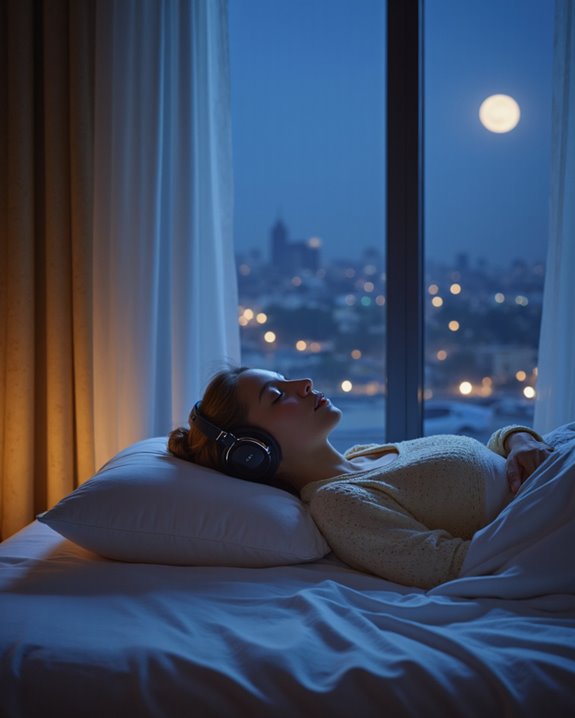
The benefits of using noise-canceling headphones for sleep extend well beyond simply muting background disruptions. By employing active noise-canceling technology, we can effectively block out noise from traffic, snoring, or household activity, fostering a truly peaceful sleep environment. Listening to calming music or white noise through these devices helps reduce disturbances and lowers stress, both of which contribute to better sleep quality. Integrating noise-canceling headphones into our nightly routine can signal our bodies that it’s time to rest, reinforcing a consistent sleep routine and helping us fall asleep faster. Advanced models, such as the soundcore Sleep A20, feature ergonomic designs and sleep analytics, optimizing comfort and tracking our patterns to further improve sleep. These features collectively support sustained, restful sleep. Some sleep headphones, like the LC-dolida Bluetooth Sleep Headphones, also offer a 3D contoured design that enhances comfort by reducing pressure on the ears during side-sleeping.
Earwax Buildup and Its Impact
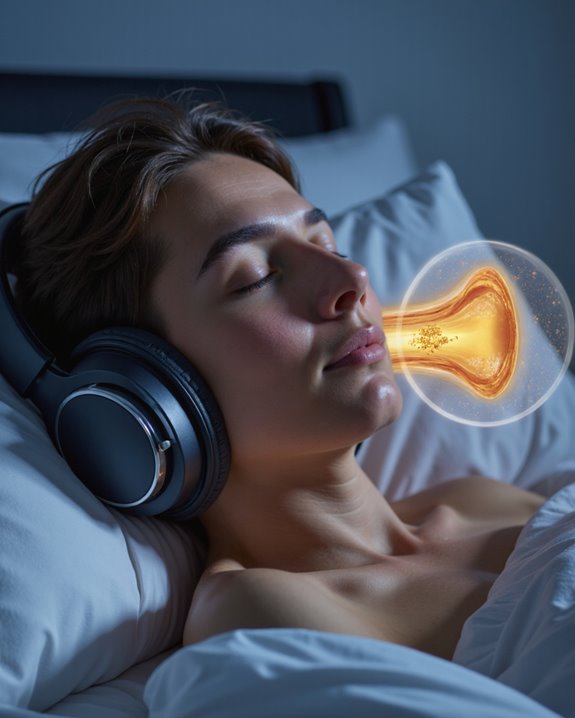
When we wear noise-canceling headphones for extended periods—especially overnight—it’s important to reflect on how this habit can impact ear health, particularly regarding earwax buildup. Prolonged headphone use, especially with in-ear headphones, can push earwax deeper into the ear canal, leading to compaction. This buildup may result in discomfort, hearing difficulties, and, due to moisture retention, an environment conducive to ear infections. In-ear headphones pose a higher risk compared to over-ear designs, as they penetrate deeper and disrupt the natural migration of earwax. Over time, regularly sleeping with headphones can interfere with proper ear hygiene, sometimes necessitating professional earwax removal. To minimize these risks, we should take regular breaks from headphone use and clean our ears as recommended by healthcare professionals. Additionally, choosing hearing protection headphones designed for comfort and extended wear, such as those with soft ear cups, can help reduce pressure and irritation during long usage.
Increased Risk of Ear Infections
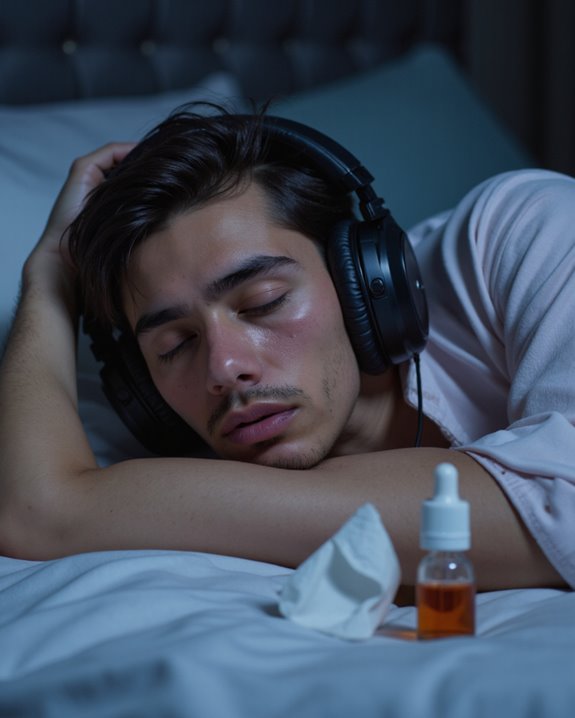
Since noise-canceling headphones envelop or insert into our ears, they can trap heat and moisture—factors that greatly increase the risk of ear infections, especially during prolonged or overnight use. When we’re wearing headphones for extended periods, particularly in humid environments, moisture accumulates in the ear canal. This creates an ideal breeding ground for bacteria, raising the likelihood of infections. In-ear models are especially prone to trapping both moisture and debris, which can irritate the ear canal or contribute to blockage. Additionally, prolonged use may disrupt natural earwax migration, pushing wax deeper and increasing infection risk. Effective ear hygiene, such as cleaning and drying the ears and regularly taking breaks from wearing headphones, is essential to minimize these risks over time.
Pressure and Discomfort Over Time
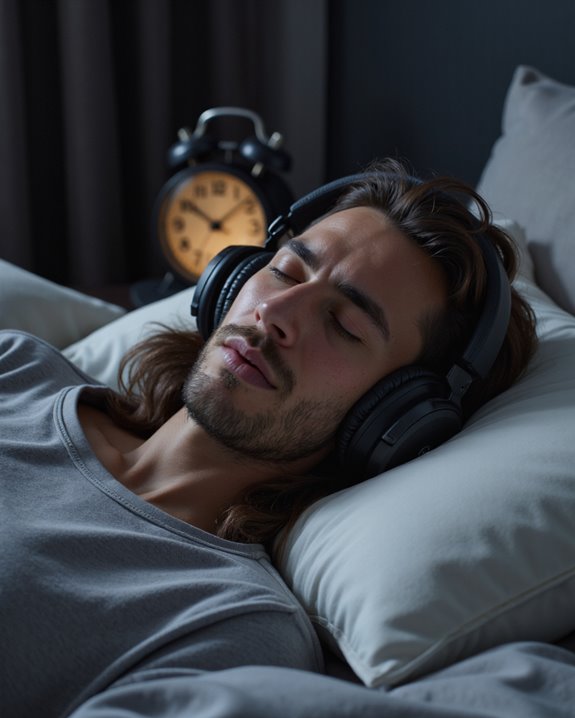
Although noise-canceling headphones are engineered for comfort and immersive sound, wearing them for extended periods—especially overnight—can result in notable pressure and discomfort. For side sleepers, the design of most headphones means the ear is compressed between the head and pillow, often leading to soreness or irritation. Over time, even well-padded cushions can exert enough pressure to disrupt sleep quality or cause mild headaches. Ill-fitting headphones compound this issue, as uneven weight distribution may further increase discomfort or ear pain during extended periods of use. Regular breaks and careful adjustment of fit can help alleviate pressure buildup, contributing to a more restful sleep experience. If sleep quality is a priority, evaluating headphone design—particularly for side sleepers—is essential when considering noise-canceling options for overnight wear.
Reduced Awareness of Surroundings
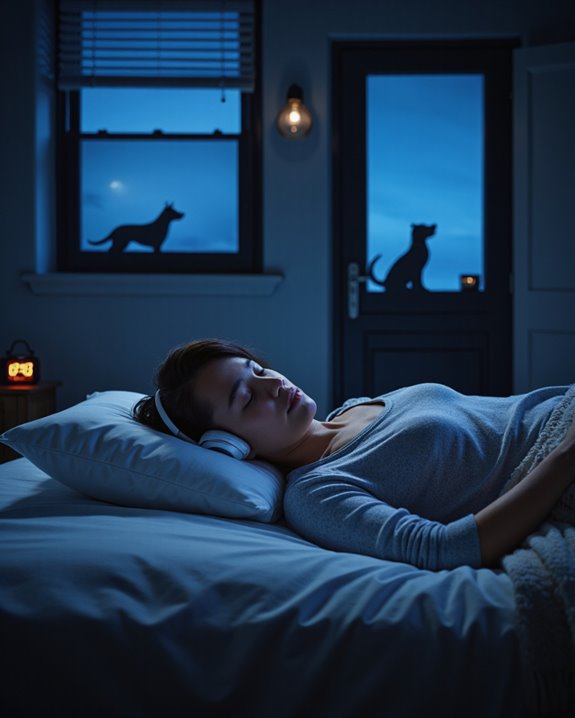
How much of our environment do we really tune out when we slip on noise-canceling headphones for sleep? By actively blocking out environmental noises, noise-canceling technology greatly lowers our awareness of important sounds—such as smoke alarms or a child’s cry—that we’d normally hear during sleep cycles. This auditory isolation can create a false sense of security, making it harder to stay alert in emergencies. In fact, reduced auditory input may disrupt natural sleep mechanisms, as our brains rely on subtle ambient sound cues to maintain healthy sleep cycles. There are real risks here: if startled by a sudden, loud noise, we may wake abruptly, which can be both disorienting and unsafe. To stay safe, consider adjustable noise-canceling features that permit some ambient sound.
Hygiene and Maintenance Concerns
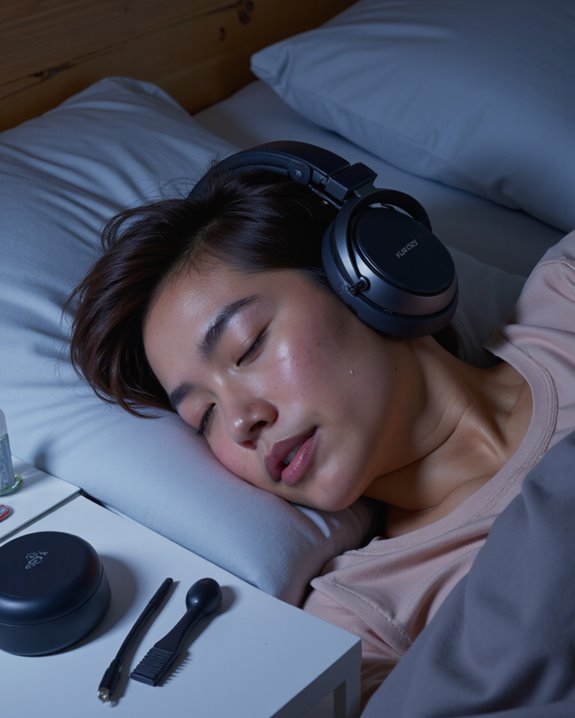
Proper hygiene and diligent maintenance play a pivotal role in guaranteeing that noise-canceling headphones remain safe for overnight use. When we use these devices for prolonged periods, especially in-ear models, the risk of bacteria buildup increases. This can lead to ear infections or skin irritation if headphones aren’t regularly cleaned. Sweat, oil, and debris naturally accumulate during sleep, so consistent cleaning is essential. In addition, in-ear headphones may push earwax deeper into the canal, potentially causing compacted wax that requires medical intervention. We should never share headphones, as this compromises personal hygiene by transferring bacteria. Replacing ear tips or padding as needed helps maintain cleanliness and comfort, reducing discomfort during extended use. Ultimately, thorough maintenance guarantees a safer and healthier listening experience.
Practical Tips for Safe Use of Noise-Canceling Headphones
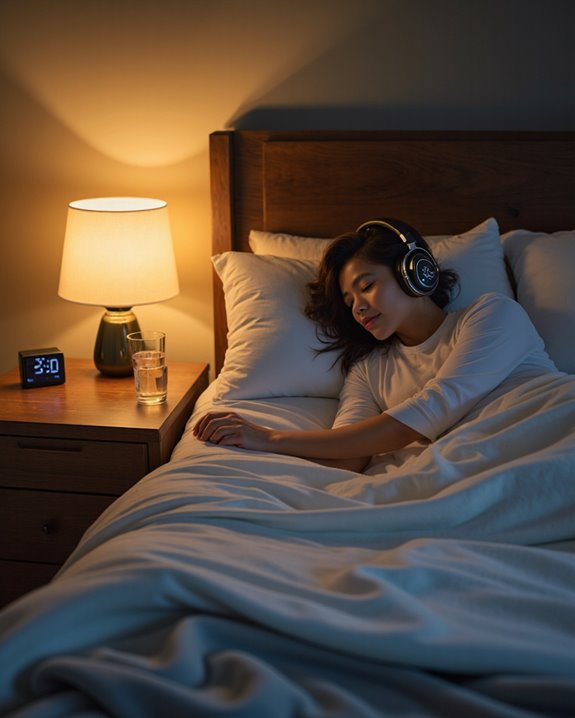
When integrating noise-canceling headphones into our nightly routine, it’s essential to follow a set of practical guidelines that guarantee both safety and comfort. First, we should keep volume levels below 40 decibels to minimize hearing risks while still effectively reducing external noise. Limit wearing time to just as long as it takes to fall asleep, making it safer to sleep without prolonged exposure. Using headphones with adjustable features allows us to fine-tune noise reduction so we’re not completely unaware of our environment. To maintain comfort and hygiene, it’s important to regularly clean the headphones, preventing earwax buildup and infection. Finally, setting a sleep timer guarantees the headphones turn off automatically, further reducing potential risks during the night.
Choosing the Best Headphones for Sleeping
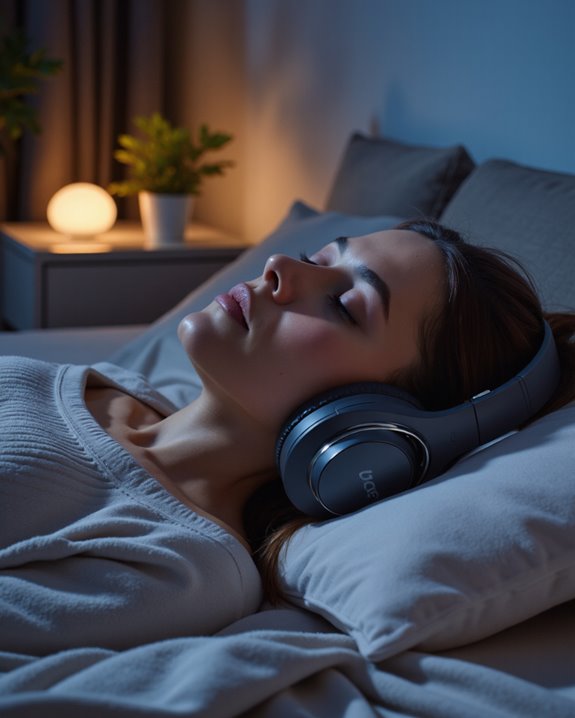
Selecting the best headphones for sleeping requires a nuanced understanding of both comfort and acoustic performance. For back sleepers, over-ear headphones provide superior noise cancellation and a comfortable fit, while side sleepers benefit from headband-style designs that reduce ear pressure. It’s essential to take into account an ergonomic design that fits securely without causing discomfort throughout the night. Adjustable noise-canceling settings allow us to tailor the sound environment to our preferences and specific sleep environment. Specialized sleepbuds, such as Ozlo Sleepbuds, offer targeted noise-masking and are engineered for nighttime use. Battery life is another key factor—headphones should last through the night without interruption. Finally, maintaining volume below 40 decibels helps protect against hearing damage, ensuring safer, long-term use.
Frequently Asked Questions
Are Noise Cancelling Headphones Safe for Sleep?
Let’s cut through the noise—noise cancelling headphones can boost sleep quality by masking environmental noise, but we’ve got to watch battery life, comfort levels, hearing health, pressure points, sound leakage, and consider alternative solutions for sleep disorders.
Is It Bad to Wear Noise Cancelling Headphones All the Time?
When we wear noise-cancelling headphones all the time, we risk long term effects on ear health, comfort levels, and sleep quality. Balancing hearing protection, sound quality, and battery life, along with considering lifestyle choices and alternative methods, improves user experiences.
Is It OK to Sleep With Noise Cancelling Airpods?
When we consider sleeping with AirPods, comfort and ear health matter. While noise levels may improve sleep quality by reducing disturbances, long sound exposure can impact sleep cycles. Let’s explore relaxation techniques and optimize our sleep environment for better battery life.
Is It Bad to Sleep With Noise Cancelling Ear Plugs?
We’ve all dreamed of perfect silence, but not all ear plug types are created equal. Let’s consider sleep quality, ear health, sound sensitivity, comfort level, travel convenience, ambient noise, sleep disorders, material safety, and user reviews.