As an Amazon Associate, we earn from qualifying purchases. Some links on this site are affiliate links at no extra cost to you. Our recommendations are based on thorough research and editorial judgment.

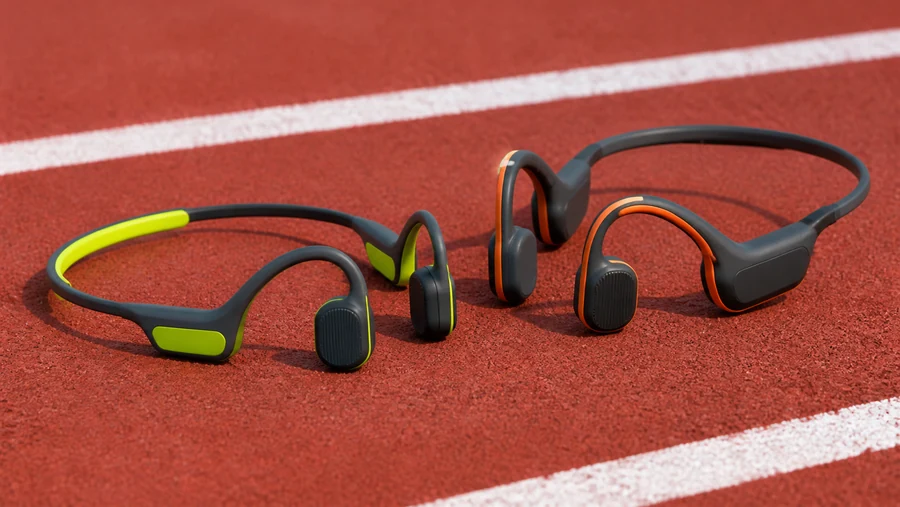
Shokz OpenRun vs OpenRun Pro: Which Difference Is Actually Worth the Money?

You’re standing at a store display or browsing tabs online and see two nearly identical names: OpenRun and OpenRun Pro. Both wrap around the ear, both use bone conduction technology — meaning sound travels through your cheekbone instead of into your ear canal — so you can still hear traffic or someone calling your name while running. The price gap between the two isn’t small, but the real-world difference in wear isn’t as large as you might expect. After comparing official specs from Shokz and reputable headphone reviews, here’s what actually separates these two models, and which one is worth your money depending on how you train.
Top Picks At a Glance
4 bone-conduction & sport earbuds worth comparing
Updated 2026


As an Amazon Associate we earn from qualifying purchases.
Where the OpenRun and OpenRun Pro actually differ
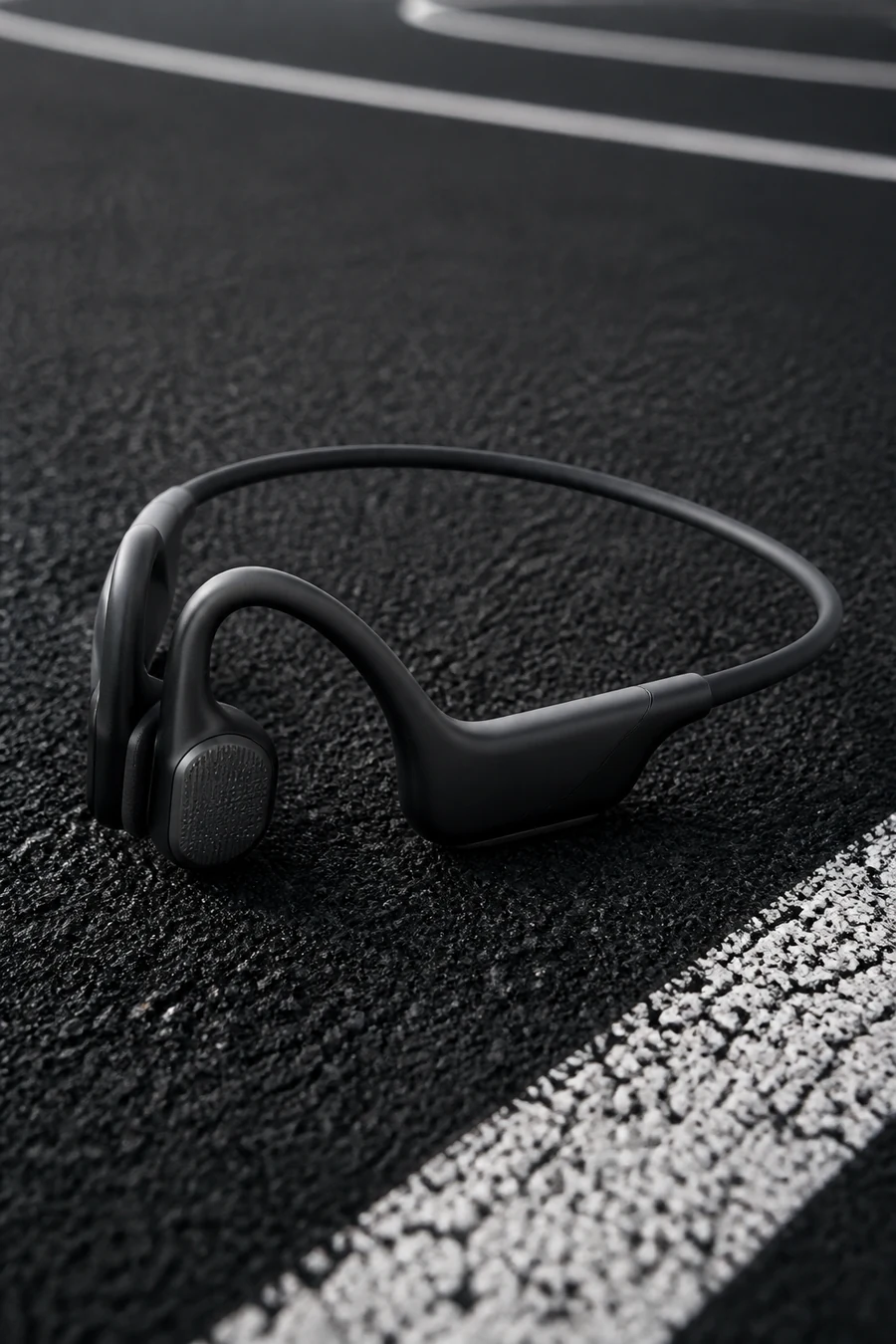
The biggest difference is in the driver — the vibrating component that presses against your cheekbone to produce sound. The OpenRun uses 8th-generation bone conduction technology with PremiumPitch 2.0+, while the OpenRun Pro uses 9th-generation technology with TurboPitch. On paper that just sounds like a generation number going up, but according to headphone testing, the difference shows up most clearly in the bass range. The OpenRun Pro delivers noticeably fuller bass, less thin when listening to music with heavy drum beats. On the OpenRun, low frequencies are nearly absent, and you mostly hear vocals and mid-range instruments clearly.
Second is the microphone. The OpenRun Pro has dual noise-canceling microphones, making your voice clearer during calls while running outdoors in wind or traffic noise. The OpenRun uses a simpler single microphone — still usable for calls, but more easily overwhelmed by wind noise once wind speed exceeds roughly 15-20 km/h.
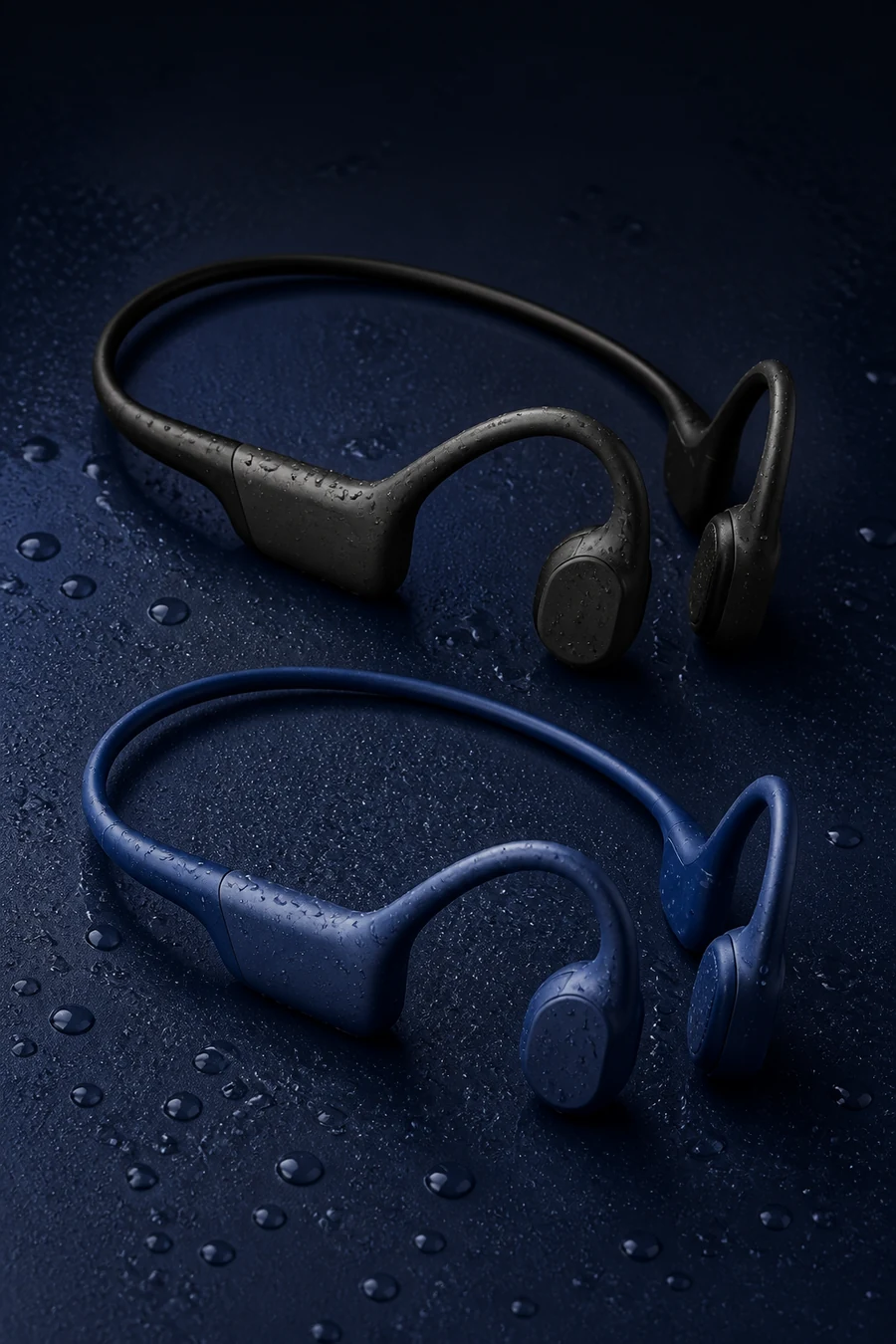
Third, something few people notice but matters for swimmers or rain runners: the water resistance rating. The OpenRun is rated IP67 — fully dust-resistant and able to withstand temporary submersion, though Shokz still doesn’t recommend using it for swimming. The OpenRun Pro is only rated IP55, meaning partial dust protection and resistance to splashing water or rain, but it shouldn’t be directly hosed down for long. This is a notable irony: the pricier Pro model actually has weaker water resistance than the standard model — because the Pro prioritizes a larger driver housing to fit its more powerful driver, trading off water-tightness in the process.
Battery life and fast charging
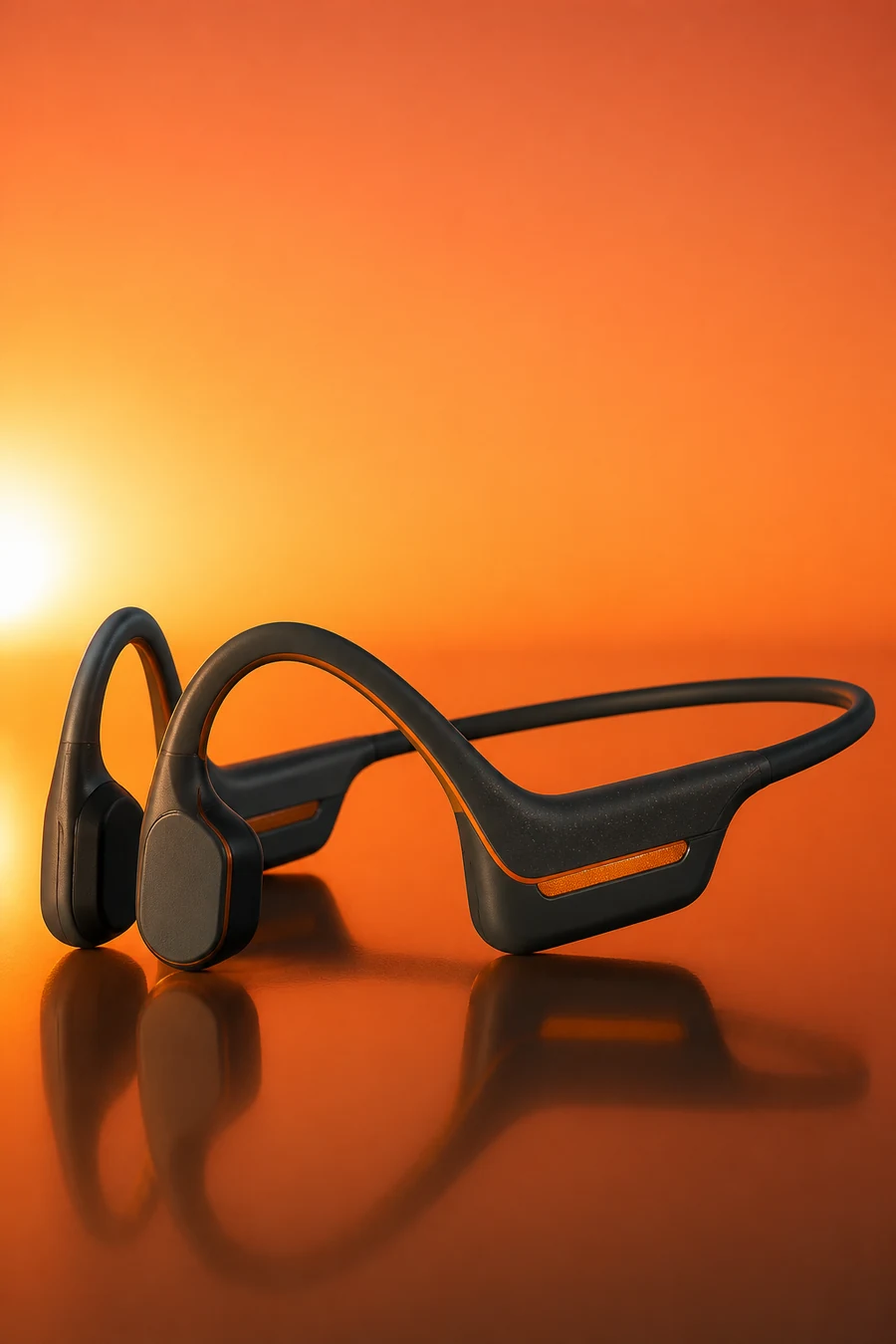
The OpenRun gets about 8 hours of continuous playback, while the OpenRun Pro edges ahead with 10 hours. A 2-hour gap sounds minor, but if you run a marathon or spend a whole afternoon at the gym and then keep wearing them home to listen to a podcast, that gap adds up quickly. Both offer magnetic fast charging: the OpenRun gets 1.5 hours of playback from a 10-minute charge, while the OpenRun Pro charges even faster — just 5 minutes for the same 1.5 hours of playback. If you often forget to charge overnight and only manage a quick top-up while tying your shoelaces, that gap between 5 and 10 minutes actually makes a real difference.
Both models use Bluetooth 5.1, with stable connectivity within about 10 meters, and won’t drop the connection when you tuck your phone into a running pocket — a fairly common issue with cheaper true wireless earbuds.
Weight and comfort during long wear
The OpenRun weighs 26 grams; the OpenRun Pro weighs 27 grams. That 1-gram difference is essentially unnoticeable while wearing them — both are far lighter than over-ear headphones and won’t dig into the back of your ears the way some true wireless earbuds with bulky ear tips can. With a titanium alloy behind-the-neck band that can bend and flex, both hold their shape well after repeated stuffing into a pocket or folding into a backpack, unlike a stretchy elastic band that loses its form.
One small difference is in driver housing size: the OpenRun Pro’s housing is about 20% larger than earlier Pro generations to fit the TurboPitch driver, but Shokz redesigned it so it wouldn’t add extra pressure when wearing glasses or a cycling helmet. Anyone with thick glasses frames or sport sunglasses should try both before buying, since the contact point above the ear can press against glasses frames after about 1-2 hours of continuous wear.
Sound quality during actual workouts
Both the OpenRun and OpenRun Pro share a common limitation of bone conduction technology: maximum volume isn’t as loud as sealed earbuds, and in noisy environments like busy streets or a gym with loud background music, you’ll need to push the volume close to maximum to hear lyrics clearly. This isn’t a design flaw but an intentional trade-off — open-ear headphones let you hear your surroundings, in exchange for less volume headroom and detail compared to similarly priced in-ear models.
In direct listening comparisons, the OpenRun Pro is noticeably better with bass-heavy music like hip-hop or EDM. The OpenRun sounds fine for podcasts, audiobooks, or acoustic music — genres that don’t demand deep bass. If your running playlist is all fast-tempo electronic music, the bass gap between the two models will be more noticeable. If you mostly listen to news or take calls while running, the difference is barely worth considering.
Pricing and availability
The OpenRun officially sells on Shokz.com for $129.95. The original OpenRun Pro (not the Pro 2) has since been discontinued on the official site — the brand replaced it with the OpenRun Pro 2, which has an upgraded driver and battery. The original OpenRun Pro is still available at some retailers like Amazon, typically hovering around its original launch price of $179.95, but frequently discounted during sales as remaining inventory gets cleared out before it’s fully phased out. If you find an OpenRun Pro at a good discounted price, it’s still a reasonable choice — but check the product’s origin and warranty terms carefully before buying from a third-party retailer, since Shokz no longer offers direct warranty support for the discontinued model in some markets.
| Spec | Shokz OpenRun | Shokz OpenRun Pro |
|---|---|---|
| List price (Shokz.com) | $129.95 | $179.95 (at launch); discontinued officially, still available at retailers |
| Driver technology | 8th-gen bone conduction, PremiumPitch 2.0+ | 9th-gen bone conduction, TurboPitch |
| Battery life | 8 hours | 10 hours |
| Fast charging | 10 min charge = 1.5 hrs playback | 5 min charge = 1.5 hrs playback |
| Water resistance | IP67 (fully dustproof, brief submersion resistant) | IP55 (partial dust resistance, splash/rain resistant) |
| Weight | 26 grams | 27 grams |
| Bluetooth | 5.1 | 5.1 |
| Microphone | Single mic | Dual noise-canceling mics |
| Bass character | Light, mid-focused | Fuller, more defined bass |
| Strengths | Cheaper, better water resistance, sufficient for basic running/gym use | Better bass, longer battery, clearer calls in wind |
| Weaknesses | Weak bass, mic easily overwhelmed by wind | Weaker water resistance than the standard model, pricier, harder to find new stock |
If budget is the top priority and you mostly run on roads or train indoors at the gym, the OpenRun is a sensible choice — cheaper, better water resistance, and good enough for most podcast-listening or call-taking needs while training. If you listen to bass-heavy music, need all-day battery life, or frequently take calls in windy conditions, the OpenRun Pro is worth considering despite the higher price and harder-to-find new stock. Whichever model you choose, both retain the core strengths of the Shokz line: lightweight, durable, and letting you hear both your music and the car horn at the same time.