As an Amazon Associate, we earn from qualifying purchases. Some links on this site are affiliate links at no extra cost to you. Our recommendations are based on thorough research and editorial judgment.

How to Choose the Perfect Headphones for You

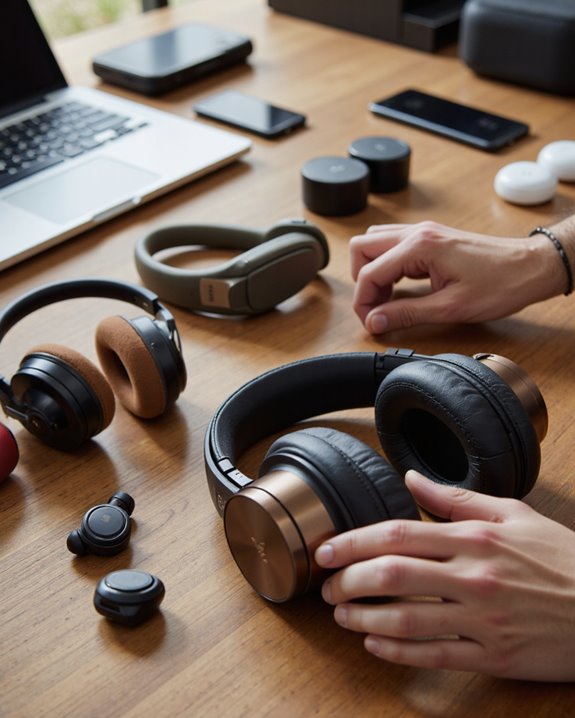
Figuring out how to choose headphones isn’t just about grabbing whatever’s on sale or copying what your favorite YouTuber wears. I’ve tested dozens of pairs across every price bracket, and the winners almost always come down to five things: your budget, the form factor you’ll actually tolerate wearing, how the drivers really sound, how the fit feels after two hours (not two minutes), and which features you’ll genuinely use rather than just brag about. Budget-wise, expect anything from bargain-bin $10 earbuds up to $200-plus flagships. From there, over-ear, on-ear, and in-ear designs each trade off isolation for portability differently. Sound quality comes down to frequency response (aim for something close to that 20 Hz–20 kHz range) and low distortion — under 0.05% THD is the number to look for. Comfort hinges on headband pressure and earcup material, and features like active noise cancellation, wireless range, and device compatibility separate the merely good from the ones you’ll still be wearing next year. Let’s get into the details.
Key Takeaways
- Set a realistic budget first, then weigh long-term value — build quality, replaceable parts, and warranty coverage matter more than the sticker price alone.
- Pick a form factor — over-ear, on-ear, in-ear, or open-ear — based on how and where you actually listen, not what looks best on camera.
- Don’t take sound quality claims at face value; check frequency response, THD ratings, and whether the codec actually plays nice with your phone or laptop.
- Noise cancellation, battery life, connectivity, and companion apps are nice-to-haves that can turn into must-haves depending on your daily routine.
- Comfort is personal — read real user reviews, try them on when you can, and keep up with basic maintenance so they actually last.
Start With Your Budget
You may be interested



Before you fall down a rabbit hole of spec sheets, figure out what you’re actually willing to spend. Headphones roughly split into three tiers: budget ($10–$99), mid-range ($100–$200), and high-end (above $200). Budget picks, like the basic Anker Soundcore models, cover most casual, everyday listening just fine — they make up a huge chunk of the market for good reason. Step up to mid-range and you get noticeably better build quality, cleaner sound, and often noise cancellation, as seen in something like the Anker Soundcore Life Q30 Wireless. High-end options, the Bose QuietComfort Ultra being a good example, bring premium materials and acoustic performance that’s genuinely a step above. Comparing across these tiers pays off, especially since competition keeps pushing average prices down. Even budget models now commonly ship with Bluetooth 5.0-5.3 connectivity, so you’re not necessarily sacrificing wireless reliability just because you spent less.
Which Headphone Type Actually Fits Your Life?
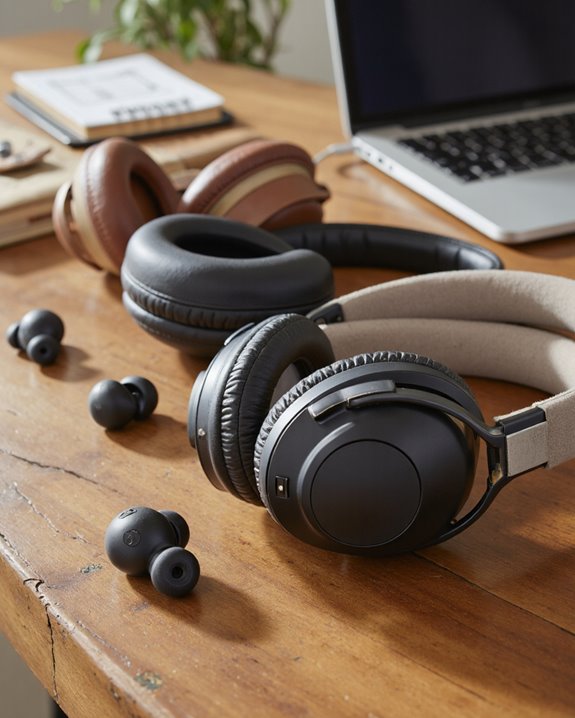
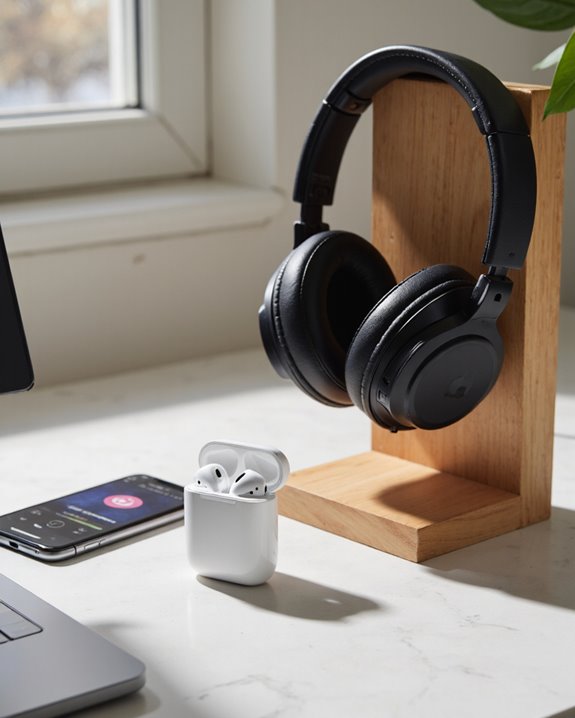
Once you’ve got a budget in mind, the next question is form factor — and this is where a lot of buyers get it wrong by choosing based on looks alone. Over-ear headphones fully surround the ear, so you get better passive isolation, a fuller, more immersive sound, and comfort that holds up over long sessions, at the cost of being bulkier and less pocketable. On-ear models sit directly on the ear instead of around it; they’re smaller and more portable, but you’ll lose some bass and isolation, and after a couple hours some people find the clamping pressure annoying. Open-ear designs, often built around bone conduction, leave your ear canal completely open — great for runners or cyclists who need to hear traffic, less great if you want to block out the world. In-ear and true wireless options round things out for anyone who prioritizes convenience over outright sound quality. If blocking out noise is the priority, look for active noise cancellation — it makes a real, noticeable difference on a loud commute.
How to Actually Judge Sound Quality
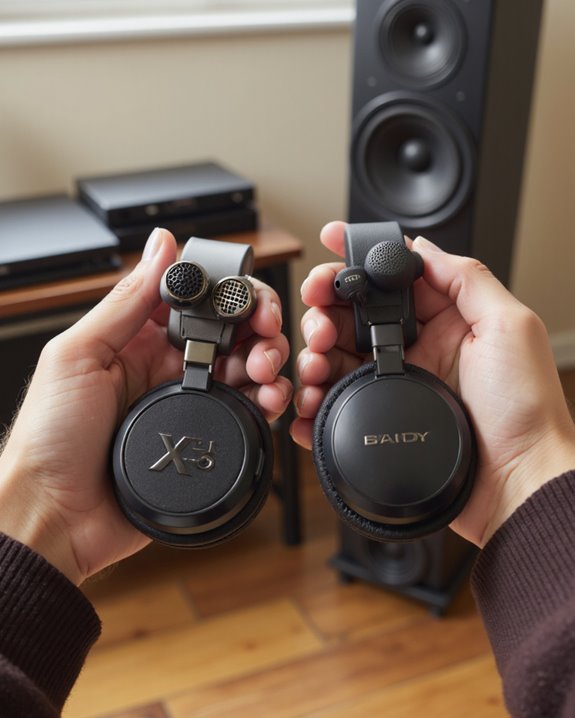
Marketing copy will tell you every pair sounds “studio quality.” It doesn’t. The only way to cut through that noise is to combine hard numbers with your own ears. Frequency response tells you how faithfully a driver reproduces lows (20Hz–250Hz), mids (250Hz–2kHz), and highs (2kHz–20kHz) — and the closer a curve tracks the Harman target curve, the more balanced it’s likely to sound to most listeners. Total harmonic distortion below 0.05% is what you want for clean, undistorted audio. Sites like AudioCheck.net let you run your own sine-tone tests, while RTINGS.com publishes measured data and real user impressions you can cross-reference. That said, don’t ignore your own preferences — some people like bass-heavy signatures, others want a flatter, more neutral tone, and no chart can tell you which one you’ll enjoy more. Paying attention to things like driver size and the frequency range a manufacturer advertises can also point you toward a sound signature that matches your taste.
Features Worth Paying For
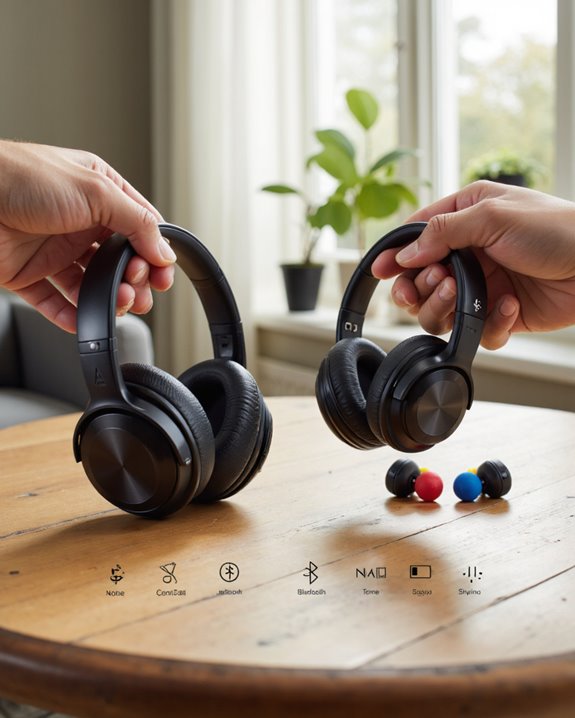
With so many models on the shelf, what actually separates a good pair from a forgettable one? Noise cancellation technology is usually the first thing people ask about. Active noise cancellation (ANC) uses microphones and inverted “anti-noise” signals to cancel out ambient sound; the better systems adapt in real time, and transparency modes let you dial environmental awareness back in when you need it, like at an airport gate. Some headphones even offer dedicated modes tuned specifically for air travel. Battery life varies wildly — anywhere from 5 to 24 hours depending on how hard you’re using ANC and Bluetooth — and quick-charge features that squeeze hours of playback out of a 10-minute top-up are genuinely useful in a pinch. Worth noting: running ANC constantly will eat into that battery life faster than you’d expect. On the connectivity side, Bluetooth 5.0, multipoint pairing (so you can jump between your laptop and phone without re-pairing), and low-latency modes for gaming or video all matter more than people give them credit for. Durability, app support, and smart assistant integration round out the list of things worth checking before you buy.
Comfort and Fit: The Part Spec Sheets Don’t Tell You
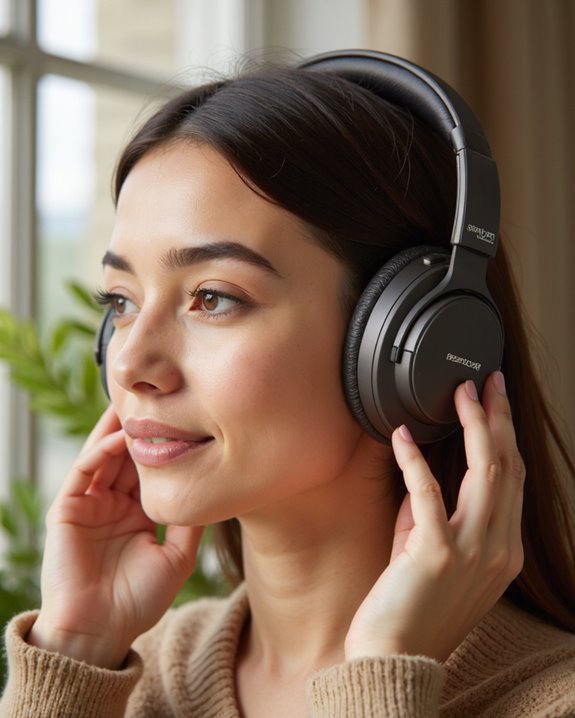
No spec sheet will warn you that a headphone feels great in the store and awful an hour into a flight. Comfort really comes down to how pressure is distributed across your head and ears — testers use pressure-mapping sensors to flag hot spots before they become a problem for you. Heat buildup matters too; temperature sensors help manufacturers see how much warmth accumulates during long sessions, which is exactly why some earcups run hotter than others. Because heads and ears vary a lot in shape and size, anthropometric data (essentially, real measurements from real people) informs how headbands and cups are designed, and weight and material choices shift the comfort equation further. The best comfort research blends subjective input — Likert-scale surveys, straightforward user feedback — with objective fit testing, and rigorous long-term wear trials that simulate actual daily use rather than a five-minute showroom try-on. All of that adds up to comfort claims you can actually trust, rather than just marketing language.
Matching Headphones to How You Actually Live

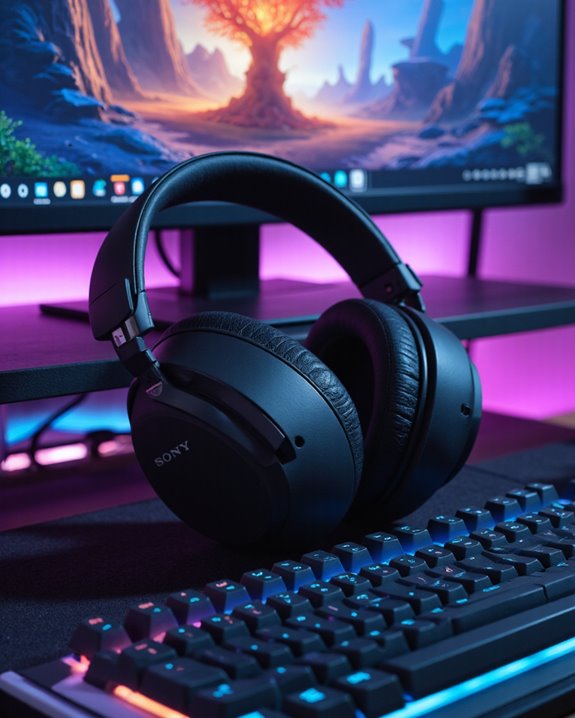
The best headphones for you depend heavily on what you’re actually doing while wearing them. Commuters generally do best with compact, foldable designs and solid active noise cancellation, while anyone hitting the gym needs sweatproof, water-resistant in-ear models that won’t slide out mid-workout. Gamers tend to prefer over-ear designs with surround sound processing and a built-in mic for squad chat. If you’re wireless, battery life becomes the deciding factor for anything beyond short sessions. Style matters more than people admit, too — minimalists tend to gravitate toward neutral, understated colorways, while others want something bold enough to make a statement. Sound signature should match how you listen (bass-forward for hip-hop and EDM, flatter for mixing or podcasts), and none of this matters if it blows past what you’re willing to spend. Get the lifestyle fit right, and the rest of the decision gets a lot easier.
Does Brand Reputation Actually Matter?
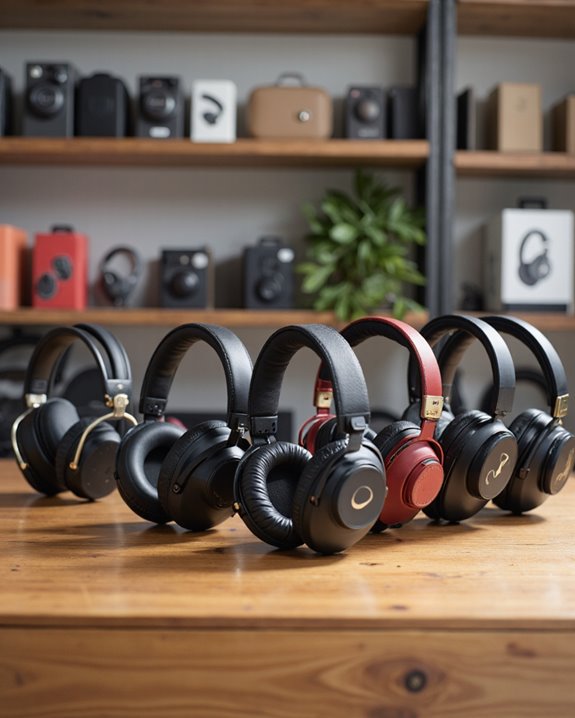
Personal taste and use case drive most of the decision, sure, but brand and model history still count for something real. Bose, Sony, and Sennheiser show up again and again in expert reviews, and that’s not an accident — it reflects sustained investment in R&D that shows up as adaptive noise cancellation, longer battery life, and acoustic tuning that’s been refined over multiple generations. A model’s staying power is telling, too: the Sony WH-1000XM4 has remained popular well past its original release, which says something about how satisfied long-term owners actually are. Independent sources like Rtings.com and CNET back this up with standardized testing, giving you a way to verify a brand’s reputation rather than just taking it on faith.
Don’t Forget What Else You’ll Need
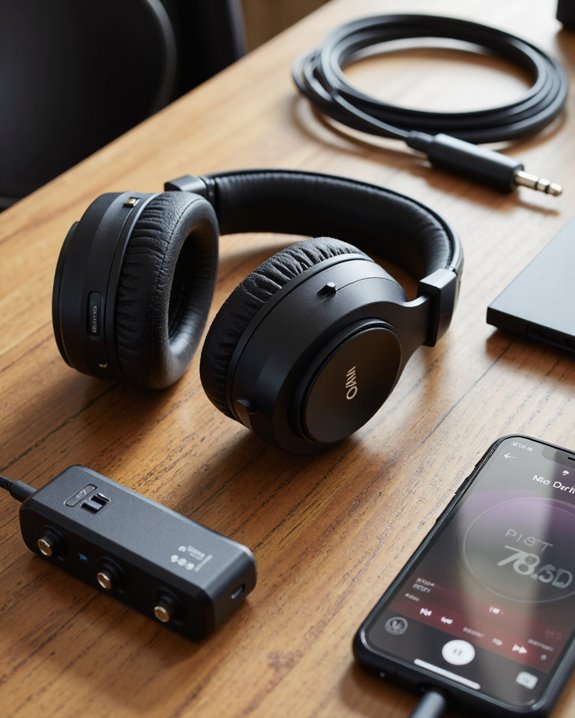
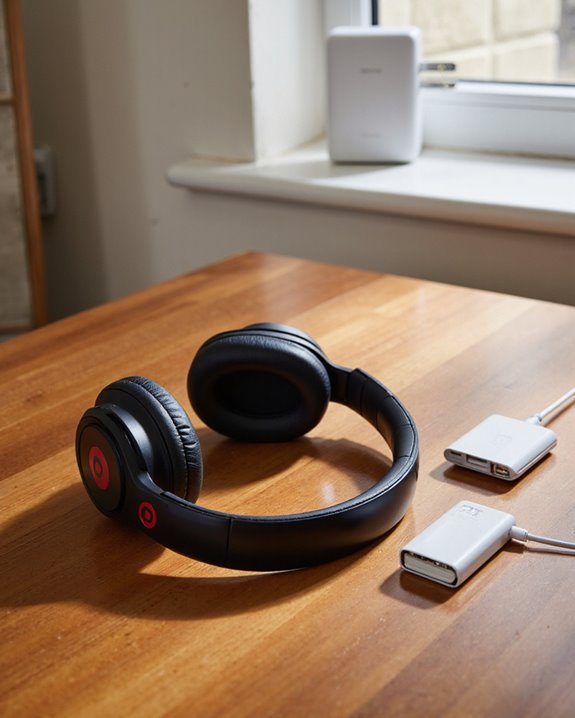
Even the best-sounding headphones will disappoint if they don’t actually work with your gear. Check impedance first: low-impedance headphones (16–32 ohms) play well with phones and laptops straight out of the box, while high-impedance models (over 100 ohms) usually need a dedicated amp to sound their best — something a lot of first-time buyers overlook. Connector type matters just as much — 3.5mm, 6.3mm, USB, or Bluetooth all need to match your source gear, and you may need an adapter or a new cable to bridge the gap. It’s also worth confirming whether cables are detachable, what length you’ll need, whether an adapter (3.5mm to 6.3mm, for instance) is included, and whether wireless models support the audio codec your phone actually uses. Small things like a built-in mic, in-line controls, and a proper carrying case matter more day-to-day than they get credit for. Get these details right and you avoid the frustration of a great pair of headphones that simply won’t play nice with what you already own.
Will They Last? Long-Term Value and Durability
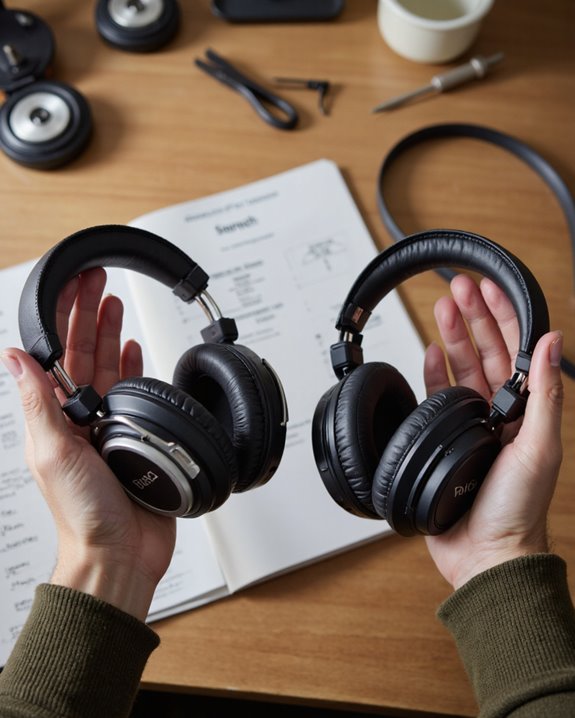
Compatibility solved, there’s still the question of whether your headphones will survive daily use for the next few years. Build quality tracks pretty closely with the materials used — metal hinges, reinforced plastics, and braided cables tend to outlast the flimsier components found in cheaper pairs. Replaceable parts, like detachable cables or swappable ear pads, extend a headphone’s usable life considerably and lower your real cost of ownership over time. Interestingly, wired headphones often outlast wireless ones simply because there’s no battery to degrade — wireless batteries lose charge capacity gradually with every charge cycle, the way a phone battery does. A brand’s track record on reliability, its warranty terms, and what actual owners say in reviews all feed into how much durability you should expect. And don’t underestimate basic upkeep: regular cleaning and proper storage go a long way toward keeping both the hardware and the electronics inside in good shape for years.
Frequently Asked Questions
How Do I Safely Clean and Maintain My Headphones?
Treat them a bit like a musical instrument. A microfiber cloth, gentle cleaning tools, and letting ear pads air-dry fully before storage will keep grime and sweat from breaking down materials early, protecting both sound quality and comfort for years rather than months.
Are Headphones Safe for Children’s Use?
They can be, but only with the right guardrails. Volume-limiting features and parental supervision matter a lot here — without them, prolonged exposure at high volumes risks real hearing damage in developing ears, so it’s worth checking for built-in volume caps before buying for a kid.
Can Headphones Cause Hearing Loss Over Time?
Yes, and it sneaks up on people. Extended listening at high volume gradually damages the inner ear’s hair cells, and the damage is cumulative and permanent. Keeping an eye on both volume level and total listening time is the simplest way to protect your hearing long term.
How Do I Recycle or Dispose of Old Headphones?
Don’t just toss them in the trash. Manufacturer take-back programs, local e-waste drop-off centers, and community recycling events all exist specifically to keep old electronics out of landfills, and most take just a few minutes to use.
What Warranty or Support Options Are Typically Available?
Coverage varies a lot by brand and model, typically running anywhere from one to five years. Most manufacturers offer repair or replacement plus standard customer service, and some extend additional coverage — though terms often hinge on buying from an authorized retailer, so check before you buy from a third-party seller.