As an Amazon Associate, we earn from qualifying purchases. Some links on this site are affiliate links at no extra cost to you. Our recommendations are based on thorough research and editorial judgment.

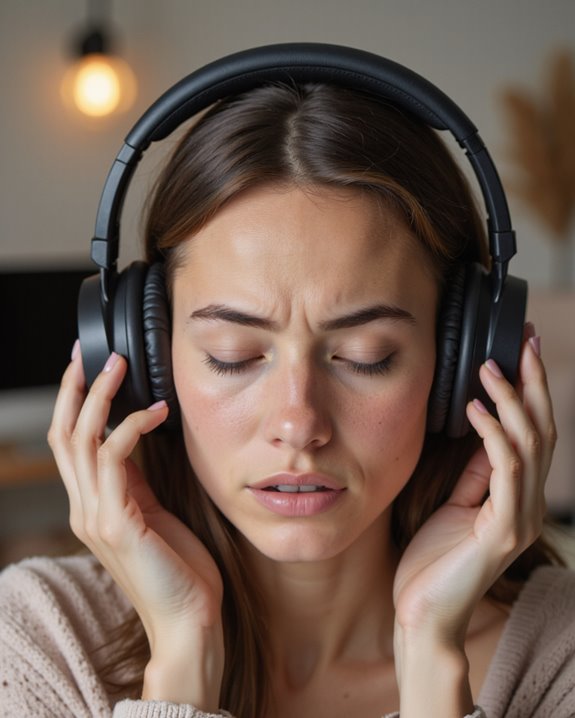
Can Noise Cancelling Headphones Cause Nausea?

Yes, noise cancelling headphones can cause nausea, dizziness, or an odd “eardrum suck” sensation for some users. This happens as active noise cancellation (ANC) technology uses microphones and processors to create sound waves that cancel low-frequency external noise, altering the auditory environment. While no actual air pressure changes occur, many users experience these discomforts, especially in models with strong ANC. If you’re sensitive to such effects, exploring specific causes and solutions can help you choose wisely.
Key Takeaways
- Noise cancelling headphones can cause nausea or dizziness in some users due to the sensation known as “eardrum suck.”
- The pressure sensation is psychosomatic, not caused by actual changes in ear pressure.
- A notable share of ANC headphone users report discomfort, with nausea and dizziness being common symptoms.
- Gradually acclimating to noise cancellation and taking breaks can help reduce feelings of nausea.
- Individual susceptibility varies, so in-store testing is recommended for those sensitive to these effects.
How Noise Cancelling Headphones Work
You may be interested
Although we often associate headphones with simply playing audio, noise-canceling headphones employ a sophisticated blend of hardware and algorithms to actively reduce unwanted ambient sound. Active noise cancellation (ANC) relies on tiny microphones—one outside the ear cup, one inside—to detect external noise and the sound waves that reach our eardrums. The headphones’ processor then generates inverted sound waves, utilizing phase cancellation to neutralize the detected noise. This process is especially effective against low-frequency sounds, such as engine hum, though high-frequency noises remain more challenging to cancel precisely. By layering passive isolation with ANC, these headphones minimize pressure from ambient noise, elevating our listening experience. As a result, distractions are reduced, and audio clarity is considerably improved in everyday environments.
Understanding Eardrum Suck and Pressure Sensations
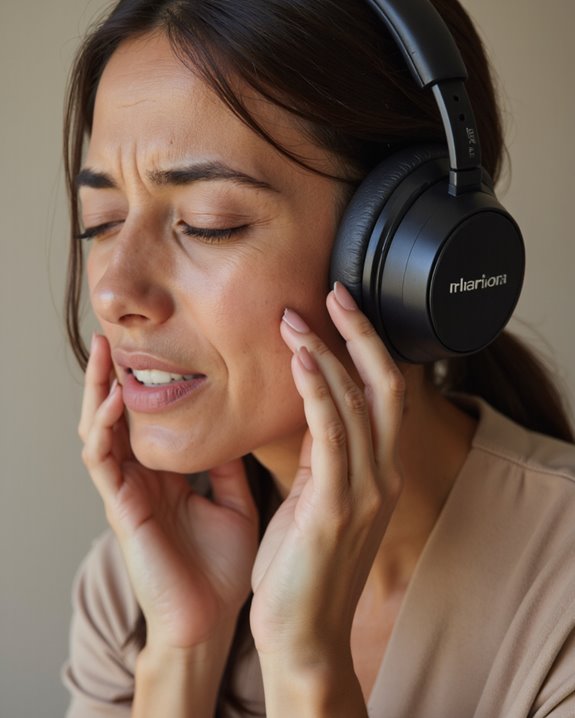
Pressure sensations, often described as “eardrum suck,” represent a common concern among users of noise-canceling headphones. When we activate active noise cancellation, some of us notice a subtle but distinct feeling of pressure—akin to descending in an airplane. While this discomfort can include eardrum pain, dizziness, or even nausea, research has shown that no measurable air-pressure change occurs inside our ears. Instead, the sensation appears to be psychosomatic, triggered by the brain’s response to the unnatural quiet and altered soundscape. A significant share of users report varying discomfort, and personal susceptibility plays a key role. Those sensitive to eardrum suck might experience increased discomfort with more powerful noise-canceling headphones, making it wise to try different models before committing.
Common Symptoms Linked to ANC Headphones
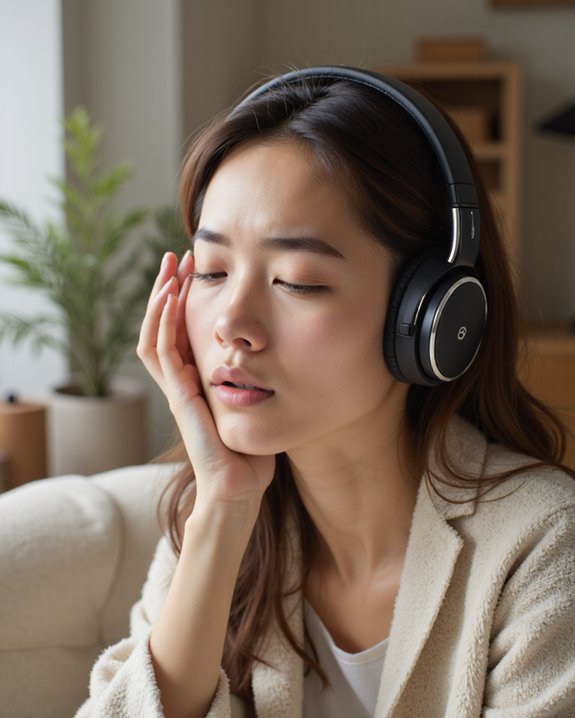
When we explore the typical symptoms associated with active noise canceling (ANC) headphones, several patterns emerge that merit careful attention. Many users consistently report issues such as dizziness, nausea, and discomfort, particularly after extended listening sessions. Anecdotal reports and informal surveys suggest that a substantial portion of users experience some level of discomfort—including nausea—while using noise-canceling headphones. A frequently cited phenomenon, “eardrum suck,” describes a sensation of pressure on the eardrum, which can trigger both nausea and dizziness. These symptoms are often psychosomatic but still greatly affect user experience. Some users compare these feelings to a “sugar low,” with difficulty standing after prolonged use, highlighting the range and intensity of symptoms that active noise-canceling technology can provoke.
Why Noise Cancelling Headphones Affect Balance
Since active noise-canceling (ANC) headphones introduce artificial sound fields to counteract external noise, it’s not surprising that some users notice an effect on their sense of balance. The inner ear, critical for both hearing and balance, can be sensitive to changes in pressure and sound environment. When ANC technology manipulates sound waves, it may inadvertently alter the pressure we perceive in our ear canals, confusing the inner ear’s balance receptors. This disruption occasionally leads to discomfort, dizziness, or even nausea during extended use. Additionally, psychological factors—such as the brain’s response to the sudden absence of familiar ambient noise—can heighten disorientation. While not everyone experiences these symptoms, the connection between noise cancelling features and balance warrants attention, especially as research continues to evolve in this area.
The Role of Low and High Frequency Noise Cancellation
Although active noise-canceling (ANC) headphones promise a quieter listening experience, it’s important to understand how they interact with both low and high frequency sounds—and how this may impact our comfort. ANC technology is most effective at reducing low-frequency noise, typically under 1 kHz, including the constant hum of engines or air conditioners. This can relieve discomfort or potential nausea caused by persistent low-frequency vibrations. However, high-frequency sounds—such as voices or sudden sharp noises—are harder for active noise cancellation to block. When these noises persist, our auditory perception may be disrupted, leading to possible discomfort. Since our inner ear and brain processing are sensitive to changes in pressure and sound balance, inadequate cancellation in certain frequency ranges can sometimes induce nausea or unease.
User Reports: Dizziness, Nausea, and Other Discomforts
Despite the promise of a more tranquil listening environment, many users have reported unpleasant physical sensations—such as dizziness, nausea, and headaches—while wearing noise-canceling headphones. User reports consistently highlight discomfort, often linked to the sensation known as “eardrum suck.” This phenomenon, described as eardrum pain paired with nausea, is especially prevalent with strong active noise cancellation (ANC) technology found in models like the AirPods Pro. Reports suggest that a substantial share of users have experienced these issues. The discomfort appears to be associated with the artificial pressure created by ANC, which some believe may be psychosomatic—our brains misinterpreting changes in sound pressure. These reports of dizziness, nausea, and discomfort have persisted since the early 2000s, underscoring a significant consumer concern.
Expert Theories on ANC-Induced Discomfort
When we examine why active noise cancellation (ANC) can cause discomfort, experts point to the inner ear’s dual role in both hearing and balance as a central factor. The technology behind ANC manipulates sound fields by emitting inverse sound waves, reducing ambient noise but sometimes introducing low-frequency vibrations. These changes can confuse balance receptors in the inner ear, potentially leading to symptoms such as dizziness or nausea. Additionally, psychological factors may play a part; our brains might misinterpret the altered sound environment as a pressure shift, triggering discomfort. Although user reports of ANC-induced nausea and dizziness date back to the early 2000s, the precise mechanisms remain unclear. This ongoing uncertainty underscores the need for further research into how ANC technology interacts with human physiology.
Safety Tips for Using Noise Cancelling Headphones
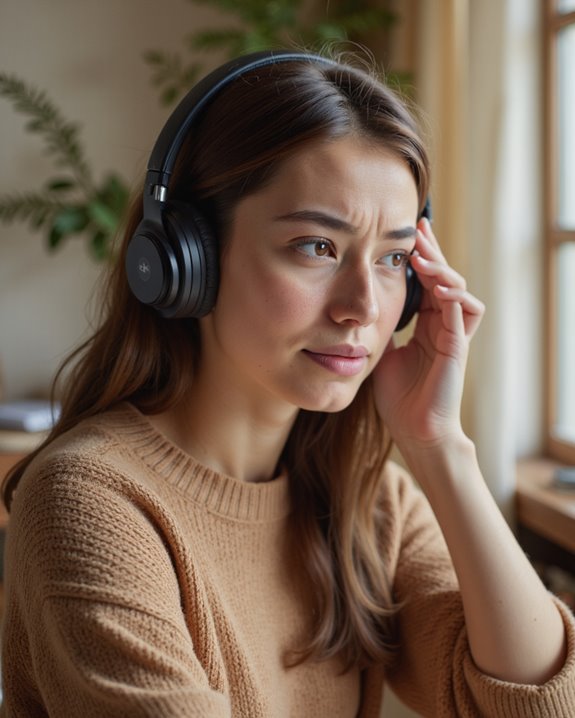
Since active noise-cancelling headphones can impact both our auditory and vestibular systems, it’s essential to adopt a few practical safety strategies to guarantee a comfortable listening experience. First, let’s gradually acclimate to the noise cancellation feature—wearing the headphones for short periods and slowly increasing duration over several days. If we ever feel pressure or discomfort, it’s important to regularly take breaks, allowing our ears and balance systems to reset. Always keep the volume level below 80dB to safeguard hearing and minimize strain. Maintaining clean headphones is vital to prevent infection-related discomfort. If we notice persistent issues, exploring models with adjustable noise cancellation settings can help us tailor how the headphones work to our needs, ensuring both safety and enjoyment with advanced audio technology. Additionally, choosing headsets with ergonomic designs like memory foam ear cushions and adjustable headbands can significantly enhance comfort during extended use.
Alternatives for Sensitive Users
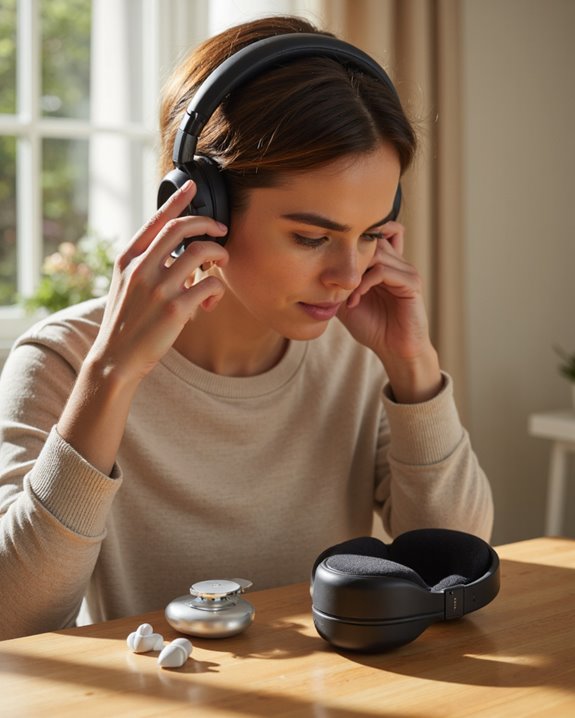
Although active noise-cancelling (ANC) headphones offer impressive sound isolation, they’re not ideal for everyone—especially users who may experience nausea or discomfort from the technology’s effects on the auditory and vestibular systems. For sensitive users, traditional headphones without ANC provide a more natural sound environment and minimize the risk of nausea. Adjustable ANC models, which let us control the level of noise cancellation, are another viable choice, allowing gradual adaptation and flexibility during prolonged use. Noise-canceling earbuds, such as the 1More Dual-Driver BT ANC, often report less “eardrum suck,” making them suitable for those prone to discomfort. Prioritizing headphones with soft ear cushions and lightweight builds improves comfort. In-store testing remains essential, letting us gauge fit and potential discomfort before committing to a purchase. Additionally, some models like the Apple AirPods Pro 2 offer custom drivers and Spatial Audio technology that enhance sound quality while maintaining comfort for sensitive users.
Best Practices for Protecting Your Hearing
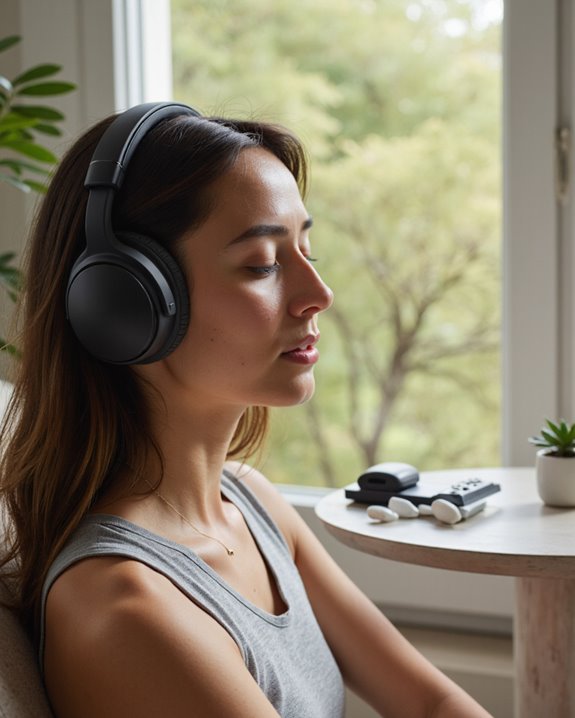
Protecting our hearing while enjoying noise-canceling headphones requires a combination of smart listening habits and technical awareness. To protect your hearing, we should limit volume levels to below 80dB, since prolonged exposure above this threshold increases the risk of hearing loss. Using noise-canceling headphones in noisy environments can help us avoid raising the volume unnecessarily, but in quiet settings, it’s best to keep volume modest. For ideal comfort levels and to prevent symptoms like nausea or dizziness from active noise cancellation, select models with adjustable ANC and take regular breaks. It’s also essential to disinfect headphones, especially if sharing, to reduce the risk of ear infections. By combining these practices, we can safely enjoy audio while minimizing health risks. Additionally, choosing earbuds with an IPX8 waterproof rating can enhance durability and hygiene for active users.
Frequently Asked Questions
Why Do Noise Cancelling Headphones Make Me Nauseous?
When we wear noise cancelling headphones, sound sensitivity and ear pressure can trigger auditory discomfort or even motion sickness. Our brain response to altered acoustic feedback, prolonged use, and individual tolerance can all affect environmental awareness, leading to nausea.
What Are the Side Effects of Noise Cancelling Headphones?
When we use noise-cancelling headphones, side effects can include ear pressure, audio distortion, or discomfort depending on usage duration, comfort level, and technology types. User reviews and brand comparison also highlight issues with battery life and sound quality.
Can Noise Cancelling Headphones Cause Vertigo?
When we use noise cancelling headphones, some of us may notice vertigo symptoms. Headphone usage can disrupt auditory processing, affecting our inner ear’s balance and environmental awareness, as altered sound waves and frequency response sometimes trigger motion sickness or balance issues.
Is It Bad to Wear Noise Cancelling Headphones Too Much?
When we wear noise cancelling headphones too much, we risk ear fatigue and auditory fatigue due to prolonged usage and sound isolation. Pressure sensitivity, comfort levels, brain adaptation, personal preferences, and environmental awareness all influence how we experience extended listening.