As an Amazon Associate, we earn from qualifying purchases. Some links on this site are affiliate links at no extra cost to you. Our recommendations are based on thorough research and editorial judgment.


Can I Wear Headphones After Wisdom Teeth Removal?

Short answer: no, you shouldn’t wear headphones after wisdom teeth removal — not right away, anyway. In those first 48 to 72 hours, the clamp of over-ear or on-ear cups against your jaw and cheeks can put real pressure on the surgical site, and that pressure is exactly what can knock a healing blood clot loose and set you up for dry socket. If you’re itching to put music back on, wireless earbuds are the safer bet once you’re cleared, since a dangling cable can snag and tug at the exact spot you’re trying to protect. Keep the volume low, keep sessions short, and pick something mellow. I’ll walk through the timing, the gear differences, and the recovery tips that actually matter below.
Key Takeaways
- Give it 48 to 72 hours minimum before headphones touch your ears again — that’s the window when the extraction site is most fragile.
- Wired headphones are the riskier choice here; a cable catching on your arm or a pillow can yank the earcup right into your jaw.
- Skip anything bulky or heavily padded at first. Once you’re back in headphones, lightweight, cushioned pairs put far less strain on swollen tissue.
- Shorter listening sessions at lower volumes beat marathon sessions — your body is doing repair work and needs actual rest, not stimulation.
- None of this replaces a conversation with your own dentist or oral surgeon, who knows your specific extraction and healing pace.
What Headphones Actually Do to a Healing Extraction Site
You may be interested


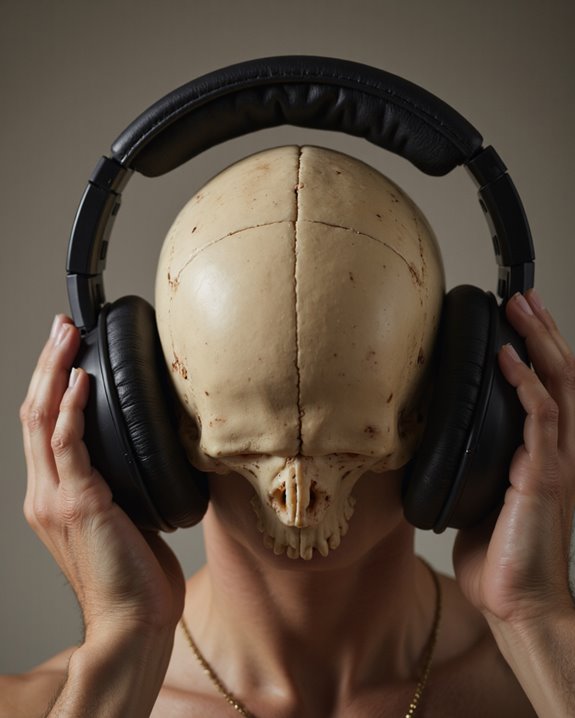
It sounds trivial — it’s just a headband, right? But the clamping force of a typical pair of headphones sits right on the ears and jaw hinge, and that force doesn’t stay put. It travels straight to wherever your extraction happened. Wear a snug pair for an hour and you’re essentially applying steady, low-grade pressure to tissue that’s trying to knit itself back together. That can mean extra swelling, soreness that lingers longer than it should, or — in the worst case — a dislodged blood clot and the misery of dry socket. The risk compounds the longer you leave them on. My advice: skip headphones entirely for the first stretch of recovery, and if anything starts to feel tender or off while you’re wearing them later, take them off. Healing tissue doesn’t send subtle warnings for long before it sends louder ones.
Wireless vs. Wired: Which One Won’t Fight Your Recovery
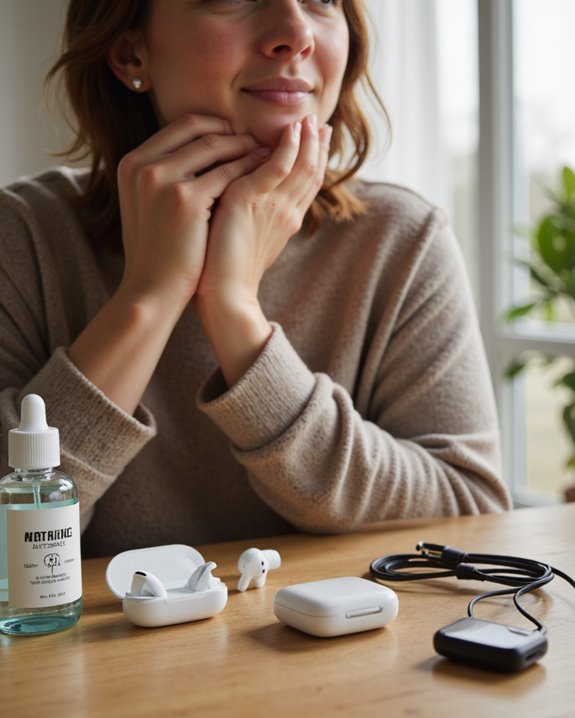
Once you’re cleared to listen again, the wired-versus-wireless question actually matters more than usual. Bluetooth headphones cut the cable entirely, which means nothing is hanging off your device waiting to snag on a blanket, a sleeve, or your own hand as you roll over in bed. That’s not a small thing after oral surgery — a sudden yank on a cord translates directly into a yank near your stitches. Wireless models also tend to run lighter, so there’s less dead weight resting against sore, swollen areas in the first place. Wired headphones, by contrast, introduce exactly the kind of physical tugging you’re trying to avoid, especially if you’re reclining, adjusting your pillow, or dozing off with the cord still plugged in. For comfort and peace of mind during recovery, wireless wins, hands down. It’s also worth noting that a lot of lightweight wireless designs are built specifically with long, comfortable wear in mind — a nice bonus when you’re stuck resting for days.
How to Listen Safely While You’re Healing

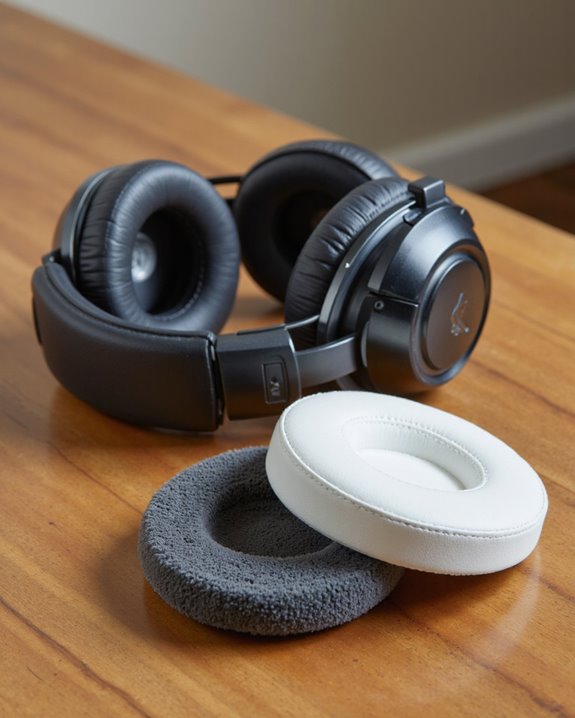
Once wireless headphones are back in the picture, a few habits make the listening itself less of a strain on recovery. Reach for soft music or a calm audiobook rather than anything jarring — the goal here is relaxation, not stimulation, and a lower-stress state genuinely helps healing along. Cap volume around 60 dB, roughly the level of an ordinary conversation, so you’re not adding strain near the surgical area or straining your ears while your body is already working overtime. Wireless is the obvious pick since there’s no cord to catch on stitches mid-nap. If you switch to lightweight earbuds instead, double check they don’t press directly against anything tender. And don’t binge — cap sessions at 30 to 45 minutes so you’re still getting the rest your jaw needs between listens. If comfort is a concern, headphones with memory-protein foam earmuffs tend to feel noticeably better over longer stretches.
Better Options Than Traditional Over-Ear Headphones
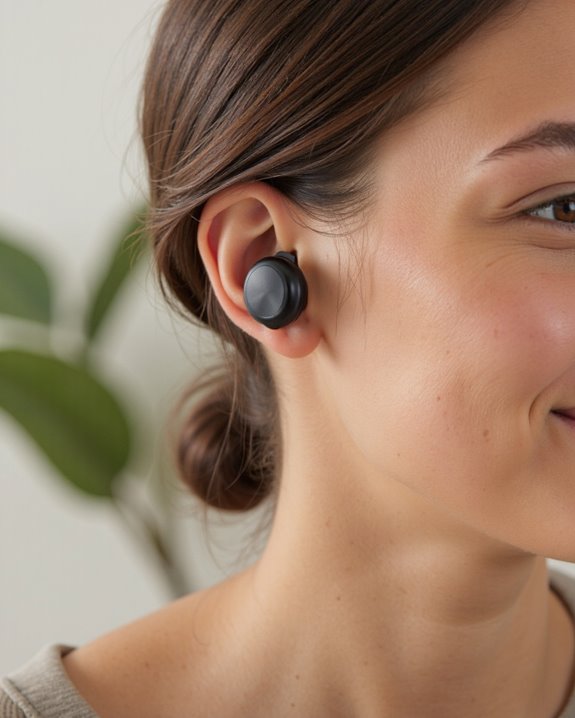
If comfort and healing are competing priorities, standard over-ear headphones are usually the wrong tool for the job — they simply sit on too much of the area you’re trying to protect. Lightweight wireless earbuds are the better call. They don’t rest against the jaw at all, so there’s far less chance of irritating or disturbing anything near the extraction site. One caveat, though: clean your earbuds before every use. Post-surgery is not the time to introduce bacteria near your mouth and ears. Stick with wireless so there’s no cord tugging at your stitches while you move around, and keep the volume modest to avoid adding any strain to the equation. Earbuds rated for IPX5 water resistance are a smart pick too, since they’ll shrug off sweat or light moisture without issue during recovery.
When It’s Actually Safe to Put Headphones Back On

Most oral surgeons draw the line at 48 to 72 hours, and that timing isn’t arbitrary — it’s the window when the extraction site is most vulnerable to disruption and infection. Skip headphones during those first few days and you’re removing one more variable that could interfere with clot formation and early healing. Once that window has passed, wireless headphones are the safer default going forward, since they sidestep the tugging and irritation that wired models can cause near stitches. Past that initial stretch, though, your own dentist or oral surgeon is the real authority — they’ve seen your extraction and know how your particular recovery is tracking. And if anything feels off once you resume, don’t push through it. Take the headphones off and reassess.
Spotting Complications Before They Get Worse

It’s tempting to want life back to normal fast, but rushing back into old habits — headphones included — is exactly how minor annoyances turn into real setbacks after wisdom teeth removal. Even bulky headphones pressed against the surgical area can disturb the blood clot your body needs in place to heal properly. If you do use headphones during this stretch, make it wireless — no cord means no accidental tugging on stitches. Keep an eye out for pain, swelling, or bleeding that seems to be getting worse rather than better; those are signs worth flagging to your provider right away. Your dental team’s specific guidance on timing should always win out over general rules of thumb, and if you notice severe pain or heavy bleeding, don’t wait it out — call your oral surgeon.
Recovery Habits That Actually Speed Healing

Good recovery habits go well beyond just leaving your headphones on the shelf. In the first days after surgery, rest and soft foods do the heavy lifting — yogurt, applesauce, mashed potatoes, that kind of thing — since anything requiring real chewing risks disturbing the site. Take your prescribed pain medication on schedule rather than waiting until discomfort peaks; it’s far easier to manage inflammation proactively than to chase it. After the first 24 hours, gentle salt water rinses help keep things clean without disrupting healing tissue. And yes, keep avoiding anything — including headphones — that presses on the jaw, watching closely for any discomfort if you do use audio devices. Checking in with yourself daily lets you catch anything concerning early, which is really the whole game with a smooth recovery.
Where to Go for Expert Guidance

Since nobody’s running clinical trials on headphone use after wisdom teeth removal specifically, the best information comes from general post-operative care guidance combined with advice from your own provider.
Where to Look for Guidance
- American Association of Oral and Maxillofacial Surgeons (AAOMS): Publishes general post-operative care instructions, including minimizing pressure near the extraction site and monitoring for dry socket or prolonged bleeding.
- Your oral surgeon or dentist: The best source for guidance specific to your procedure, healing progress, and when it’s safe to resume wearing headphones.
- Harvard Health Publishing: Offers general guidance on pain medication, infection prevention, and when to seek help if bleeding continues after dental surgery.
Combine that general guidance with what your own dentist tells you about your specific extraction, and you’ve got the most reliable roadmap available.
Frequently Asked Questions
Can I Wear Headphones During Wisdom Tooth Removal?
Not really a good idea. Even setting aside comfort, anesthesia effects and the need for clear communication with your surgical team make headphones impractical mid-procedure. Ask your dental team about approved relaxation techniques instead — most offices have their own way of easing anxiety during the procedure itself.
What Are You Not Allowed to Do After Wisdom Teeth Removal?
Skip anything that risks the extraction site: hard or crunchy foods, vigorous rinsing, smoking, using straws, and strenuous exercise all top the list. Stick to your dentist’s timeline for reintroducing normal activities, manage swelling with cold compresses as directed, and don’t skip your pain medication schedule.
Can You Listen to Music During Wisdom Teeth Removal?
Music itself isn’t the problem — plenty of patients find it genuinely calming for procedure-day anxiety. The issue is delivery method under sedation. Ask your dentist ahead of time what they allow in the chair, since policies vary by practice.
How Long After Wisdom Teeth Removal Can I Have Iced Coffee?
Give it 3 to 5 days before iced coffee makes a comeback. Straws and caffeine both carry their own risks early on, so lean on soothing, lukewarm drinks in the meantime and let your dentist’s specific recovery timeline guide when you reintroduce it.