As an Amazon Associate, we earn from qualifying purchases. Some links on this site are affiliate links at no extra cost to you. Our recommendations are based on thorough research and editorial judgment.

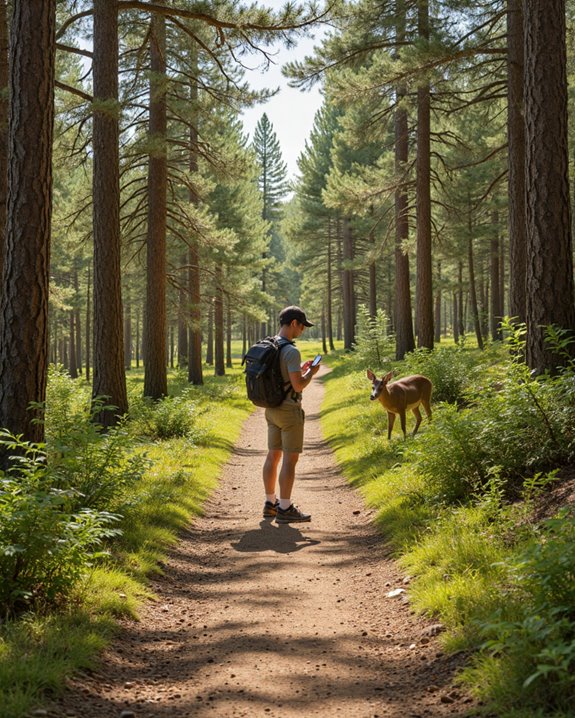
Don’t Hike With Headphones: Is It Really Safe?

Here’s a question I get from readers all the time: is it actually dangerous to hike with headphones, or is that just overly cautious advice from park rangers? Having tested dozens of pairs on actual trails, I can tell you it’s not paranoia. Headphones dull the exact senses you rely on out there — you stop hearing the rustle that means a deer (or worse) is close, the shout from a mountain biker rounding a blind bend, the distant rumble that means weather is rolling in. Studies tracking pedestrian injuries have found a disturbing pattern: a meaningful chunk of serious accidents involve someone who never heard the warning that would have saved them. Urban trails carry their own hazards from traffic, but don’t assume the backcountry is automatically safer — wildlife and terrain create their own version of the same problem. Some jurisdictions have even started restricting headphone use outright. Stick around, because I’ll walk through what the research actually shows and what you can do instead if you still want audio on the trail.
Key Takeaways
- Strap on headphones and your awareness of what’s happening around you drops — that’s when accidents and injuries start creeping up.
- A warning shout from a cyclist, a rattle in the brush, an animal moving nearby — headphones can bury all of it under your playlist.
- The data is grim: serious injuries and deaths tied to headphone use have climbed, hitting young men in cities hardest.
- Certain areas now limit headphone use on trails specifically so hikers can stay alert and hear each other.
- The safest approach I’ve found is simple — skip the headphones, keep your ears open, and let good gear do the rest of the work.
Why Hiking With Headphones Dulls Your Hazard Awareness
You may be interested



Headphones have basically become part of the hiking uniform at this point, but strapping them on changes something fundamental: your auditory perception — arguably your best early-warning system on the trail — gets muffled right when you need it most. Rustling brush that signals an animal, a distant ranger shouting a warning, the low growl of an incoming storm — these all depend on sound registering in the moment. Music or a podcast piped into your ears crowds that out. Even subtler cues, like water picking up speed or a rock shifting underfoot somewhere nearby, get swallowed. The result is a hiker who’s less tuned in to the trail, slower to notice a mountain biker or a horse coming up from behind, and generally worse at the kind of quick risk-reading that keeps people safe out there.
Accidents and Injuries: What the Data Actually Reveals

Look at the injury data and the pattern isn’t subtle: less auditory awareness tracks directly with more accidents. Researchers have watched serious injuries and fatalities among headphone-wearing pedestrians climb noticeably in recent years, and the demographic skew is telling — young men in urban settings show up disproportionately often. Most of these incidents happen in cities, frequently involving a vehicle or a train the person simply never heard coming. In a striking number of cases, the victim missed a horn or siren entirely, either because the volume was cranked too high or because noise-cancellation did exactly what it’s designed to do — block outside sound. None of this is abstract; it’s the clearest evidence I’ve seen that trading environmental awareness for a soundtrack carries a real cost.
The Urban vs. Rural Risk Divide

Does it matter whether you’re hiking through a city greenway or deep in the backcountry? Absolutely — the risks just shift shape rather than disappearing. Urban routes stack the odds against you with heavy traffic, frequent train and vehicle crossings, and street layouts that demand constant attention; add background noise into the mix and it’s no surprise urban counties post a disproportionate share of headphone-related incidents, with young men in cities bearing the brunt of it. Rural trails feel safer, and in some ways traffic-wise they are, but swap out cars for wildlife and you’ve got a different hazard wearing the same disguise. Data on rural incidents is thinner, mostly because fewer people are tracking it, not because the risk isn’t there. Either way, the lesson holds: don’t let a quiet-looking trail lull you into thinking headphones are harmless.
Safety Measures Worth Building Into Every Hike
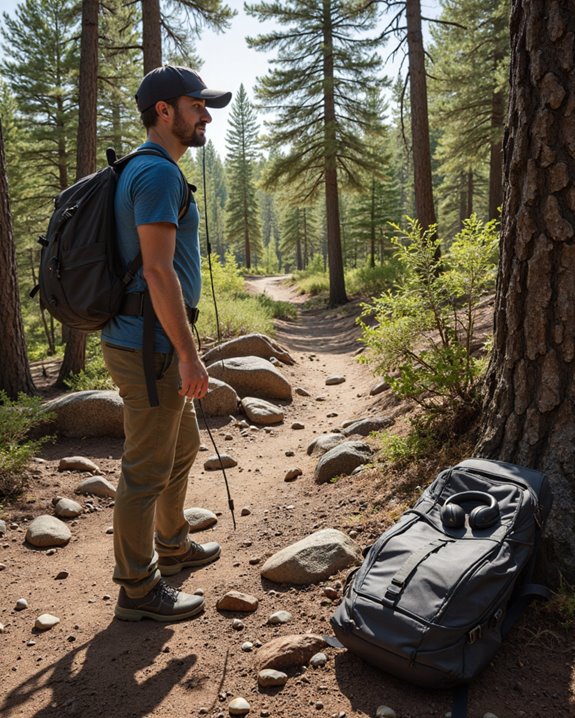
Being fit enough for a trail is only half the equation — preparation and staying switched on matter just as much. A map, compass, water, and clothing suited to the day’s weather should be non-negotiable; conditions on a trail can turn faster than you’d expect. Sticking to marked paths, matching the group’s pace, and resisting the urge to shortcut all cut down on both getting lost and getting hurt. Keep an eye on trail markers, lean on a reliable GPS or mapping app, and tell someone your plan before you head out — that last one costs nothing and matters enormously if things go sideways. Match the difficulty of the route to your actual fitness, not your ambition, and build in real breaks and water stops rather than pushing through exhaustion. Stay alert to wildlife signs and shifting weather, and carry the basics that bail you out when something unexpected happens — a whistle, a first-aid kit, and, for remote routes, a personal locator beacon.
The Psychological Pull of Music on the Trail
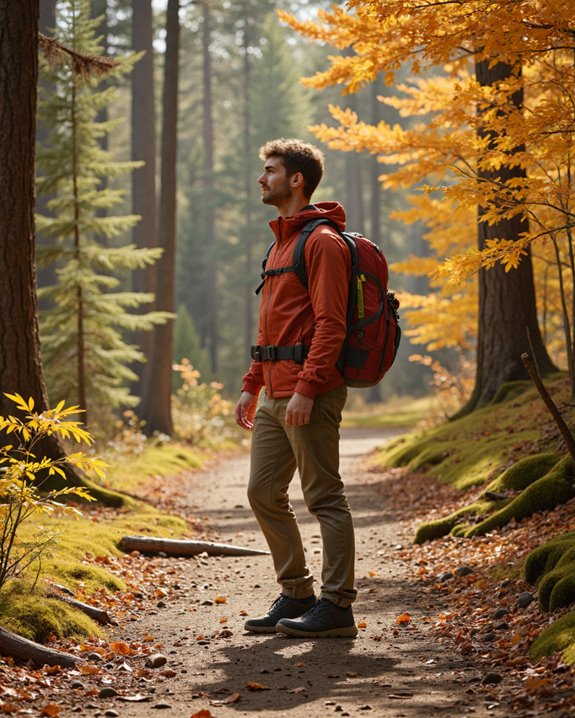
I get why people want music out there — it genuinely changes how a hike feels. Add a soundtrack and the way you perceive the landscape shifts noticeably; upbeat, energetic tracks can turn an ordinary stretch of trail into something that feels more alive and motivating. Some research even suggests that high-energy music makes neutral scenery register as more stimulating, which explains why a good playlist can push you through a tough climb. Music also seems to dial down anxiety, stress, and how hard the hike feels physically, which is exactly why so many people reach for headphones in the first place. But there’s a tradeoff — that same audio creates a kind of bubble around you, and depending on the moment, it either isolates you from other hikers or, in a group setting, changes the dynamic entirely. How much any of this applies to you comes down to taste, genre, and the specific hike — it’s not a one-size-fits-all effect.
The Environmental Warnings You’ll Miss With Headphones On
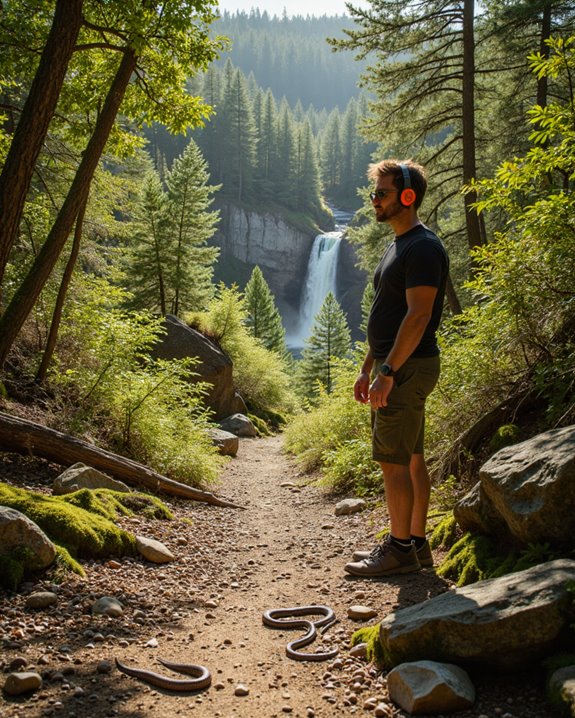
Out in the wild, hearing what’s around you isn’t a nice-to-have — it’s core to staying safe, and headphones chip away at exactly that. The sudden silence of animals going quiet, or the rustle of something moving through brush, often tips you off to a wildlife encounter before you’d otherwise notice — miss that cue and you can end up closer to something dangerous than you’d ever choose to be. The sound of rushing water or rocks shifting underfoot frequently precedes a flash flood or a landslide. Thunder rolling in from a distance gets buried under your music, and so does the shout of a biker or the hoofbeats of a horse coming up behind you, both of which raise your odds of a collision. Even subtle shifts in wind or water flow — small signals that something in the environment is changing — disappear behind personal audio. Strip all that away and you’ve stripped away a big piece of what keeps wilderness hiking safe.
The Legal and Ethical Side of Headphone Use on Trails
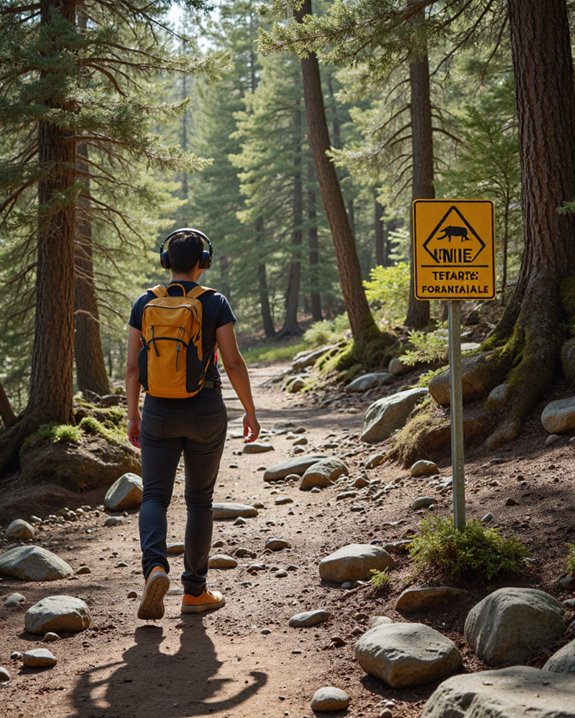
It might seem like whether you wear headphones outdoors is nobody’s business but your own, but plenty of places have decided otherwise. Rules vary by jurisdiction — some states ban both ears covered while biking, others prohibit headphone use for drivers entirely, and a handful of trail areas only permit a single earbud so you can still hear what’s going on around you. The reasoning behind these laws is consistent: preserve situational awareness without banning audio outright. Beyond the legal side, there’s an ethical piece too — hikers owe it to each other to stay alert, be reachable, and respond quickly if someone needs help. Ignore that responsibility and you’re not just risking a fine; you’re raising your own liability if something goes wrong, creating friction with other trail users, and reducing your ability to help — or be helped — when it counts.
Smarter Tech Alternatives for Safer Hiking
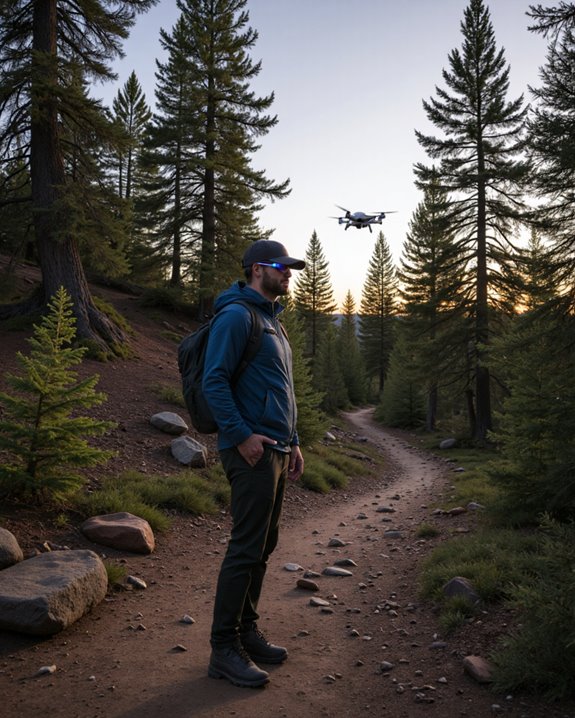
The good news: you don’t have to choose between staying entertained and staying safe — there’s a whole category of gear built specifically to fill that gap. Handheld GPS units from Garmin and apps like AllTrails give you offline maps, hazard alerts, and live location sharing without needing headphones at all. Smartwatches and other wearables go further, delivering weather alerts, fall detection, and an SOS button, all hands-free. If you’re heading somewhere cell service won’t reach, a Personal Locator Beacon or a satellite messenger like the Garmin inReach Mini lets you send a distress signal or two-way message from well off the grid. And AI-powered trail apps are starting to layer in smarter risk assessment — reading environmental data, flagging hazards, and adjusting your route on the fly. Put together, these tools cover most of what people want headphones for, minus the tradeoff.
Making Safer Choices Every Time You Hit the Trail

Even with all this technology available, good judgment still does the heaviest lifting when it comes to reducing risk outdoors. Deaths in national parks are rare in the grand scheme of things, but when they happen, falls and other traumatic injuries are usually the cause — and no group is immune, though men and older hikers show up in the data more than most. Programs that teach trail etiquette and basic first aid, along with more experienced hikers mentoring newer ones, have made a real dent in accident rates. Media campaigns, safety guides, and closer coordination with park authorities all add to that effort. Combine GPS tools and weather awareness with the right gear in your pack, and you’ve got a genuinely layered approach to cutting down on accidents over the long run. If you do choose to bring headphones on lower-risk trails, picking a pair from our guide to the best wireless headphones overall can at least help you find a model with awareness-friendly features like ambient sound modes.
Frequently Asked Questions
What music actually keeps you motivated on a hike without becoming a distraction?
Upbeat pop or rock tends to work well for maintaining pace, while calmer folk and acoustic tracks suit a more meditative hike. Ambient electronic music is another solid pick. Mixing in actual nature sounds can boost motivation without pulling your attention away from the trail itself.
Does music playing through your headphones attract or scare off wildlife?
Barely, if at all. Sound leaking from a pair of headphones is usually too faint and contained for most animals to register in any meaningful way — they’re far more responsive to the louder, more obvious noises already happening around them.
How does weather mess with your headphones out on the trail?
Extreme heat or cold shortens battery life fast, and wireless connections can get flaky in certain conditions. Rain and sweat test moisture resistance and can degrade sound quality over time, while wind noise alone is often enough to muddy audio clarity mid-hike.
Which headphone styles hold up best on long-distance hikes?
For all-day comfort, look at open-ear designs paired with a solid wireless connection. Bone conduction models like the Shokz OpenRun stay put, run for hours, and leave your ears free to hear the trail; our guide to the best bone conduction headphones for outdoor awareness breaks down the top picks. Lightweight, water-resistant earbuds are a decent runner-up if situational awareness is still your priority.
Do attitudes toward trail headphone use differ from country to country?
They do, and the debate gets surprisingly heated depending on where you are. Some countries treat headphone use on trails as a real safety issue and actively discourage it, while others leave it up to personal judgment with looser guidelines — a reflection of how differently hiking culture gets approached around the world.