As an Amazon Associate, we earn from qualifying purchases. Some links on this site are affiliate links at no extra cost to you. Our recommendations are based on thorough research and editorial judgment.

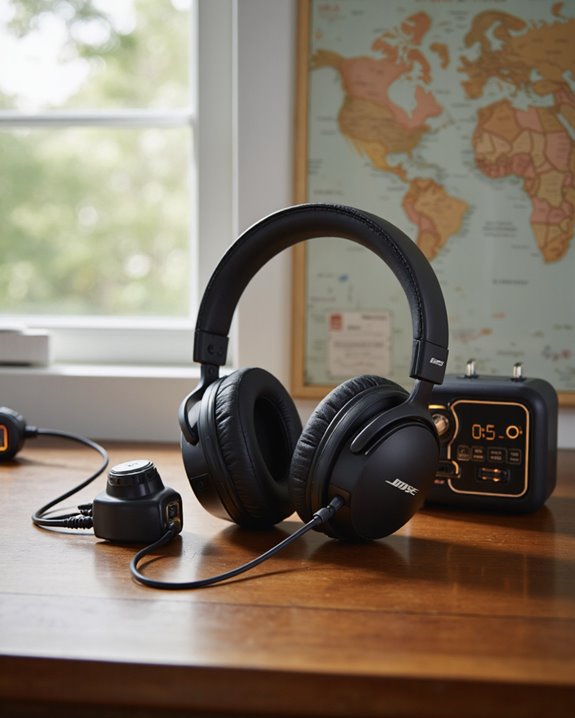
Are Bose Headphones Dual Voltage? Everything You Need to Know

Short answer: yes, most Bose headphones are dual voltage. Pick up any QuietComfort model or one of the newer USB-C models and you’ll see the charger is rated for 100-240V, which means it runs happily on wall power anywhere from Tokyo to Toronto without a bulky voltage converter. I’ve traveled with a QC35 through three continents and never once needed anything more than a cheap plug adapter to match the local outlet shape. The one exception worth knowing: older AA-battery models like the QC15 never touch mains voltage at all, so the whole question is moot for them. Want to be sure before you pack? Flip the charger over and look for “Input: 100-240V” printed near the prongs — that label is your answer.
Key Takeaways
- The vast majority of Bose headphones, and every QuietComfort model I’ve checked, run on 100-240V and are built for international use.
- Dual voltage means one thing for packing: bring a plug adapter, skip the heavy voltage converter.
- Flip your charger over — if it reads “Input: 100-240V,” you’re cleared for travel.
- USB-C charging on newer Bose models already assumes worldwide voltage compatibility, so there’s nothing extra to verify.
- AA-battery holdouts like the QC15 sidestep the issue entirely since they never plug into mains power.
What Dual Voltage Actually Means (and Why It Matters)
You may be interested
A dual voltage device is simply one built to run on both 110V and 220V electrical systems, which is the split you’ll run into as you cross borders. It matters more than people think: plug a 110V-only gadget straight into a 220V outlet with no adapter and you’re looking at a fried charger, or worse. Bose engineered its chargers around this problem years ago, and it shows — look for a label reading “Input: 100-240V” and you know instantly that the device is cleared for that range. Practically, this saves your suitcase from carrying a heavy voltage converter; a slim plug adapter is all that’s standing between you and a charged pair of headphones in nearly any country.
Power Specs Across the Bose Lineup
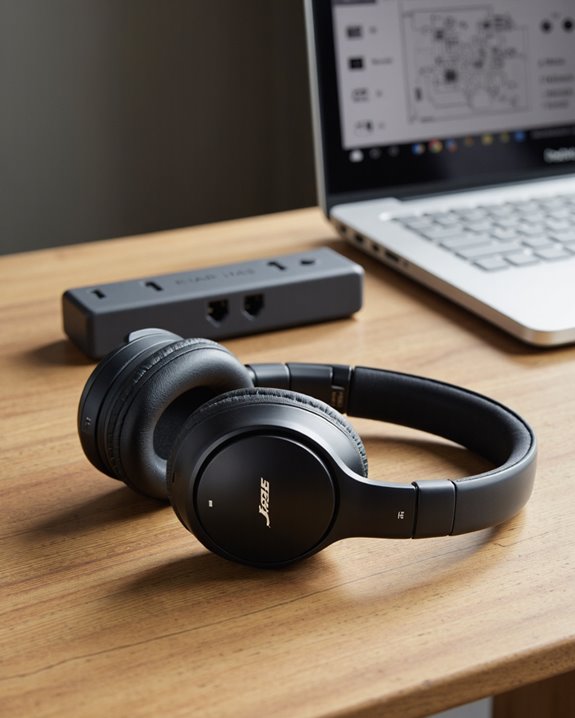
Knowing the specifics model-by-model keeps you from guessing at the airport gate. The QuietComfort line — QC35 and QuietComfort Ultra included — ships with chargers that accept both 110V and 220V, so international use is a non-issue as long as you’ve got the right prong shape for the outlet. The QC3 runs on a built-in rechargeable battery, and its charger carries the same dual voltage label. Go back a generation, though, and the QC15 uses plain AA batteries — no voltage math required at all. Most current Bose QuietComfort headphones now charge over USB-C, which follows international standards by default. Bottom line: check the charger’s fine print before you fly, not after.
How to Check If Your Bose Headphones Are Dual Voltage
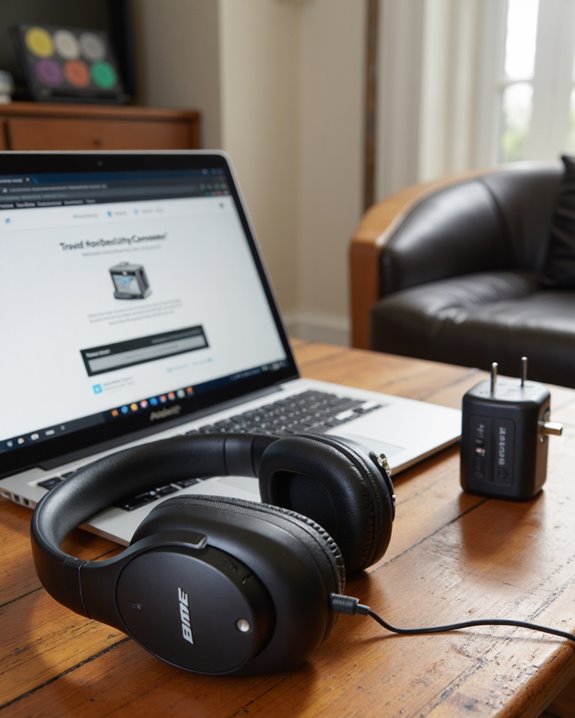
Not sure whether your pair can handle a trip abroad? Here’s the quick way to find out. Start with the charger itself — the specs label almost always lists an input voltage range stamped right on the case. If it reads “Input: 100-240V,” you’re set: that charger runs on both 110V and 220V mains without complaint. Newer models in the QuietComfort series almost universally carry this rating. Can’t find the label, or it’s worn off? Pull up the user manual or check Bose’s official site for the exact spec sheet. And if you’re rocking a pair with AA batteries, like the QC15, none of this applies — there’s no wall charger involved, so dual voltage simply isn’t a consideration.
Adapters vs. Converters: What You Actually Need Abroad
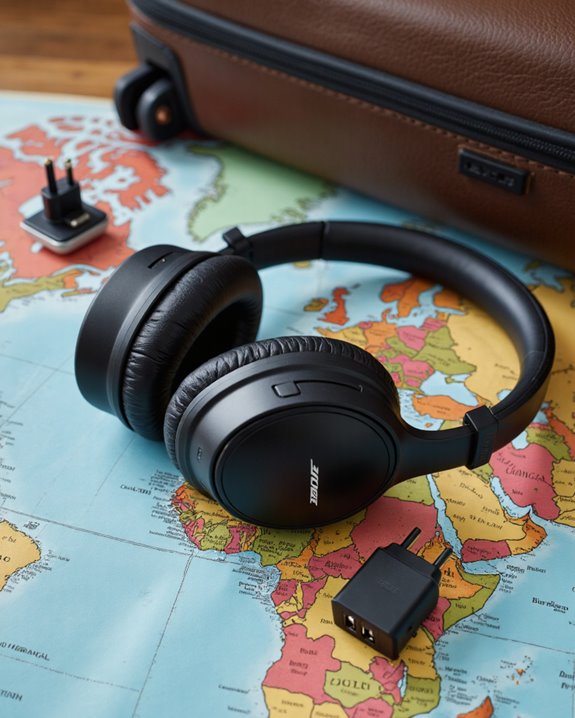
International travel trips up a lot of gadgets, but Bose headphones tend to be one of the easy cases thanks to their dual voltage design. Most Bose QuietComfort models accept both 110V and 220V, so there’s no need to lug around a bulky voltage converter. What you actually need is a plug adapter that matches the outlet shape wherever you land — the charging circuitry already handles the voltage side of things. That makes adapters the practical, packable choice across 200-plus countries. Still, it’s worth confirming the rating before departure: check for “Input: 100-240V” on the label. And remember that some older models, like the QC15, run on AA batteries instead of a rechargeable pack, so their charging needs look completely different.
Charging Bose Headphones Safely on the Road
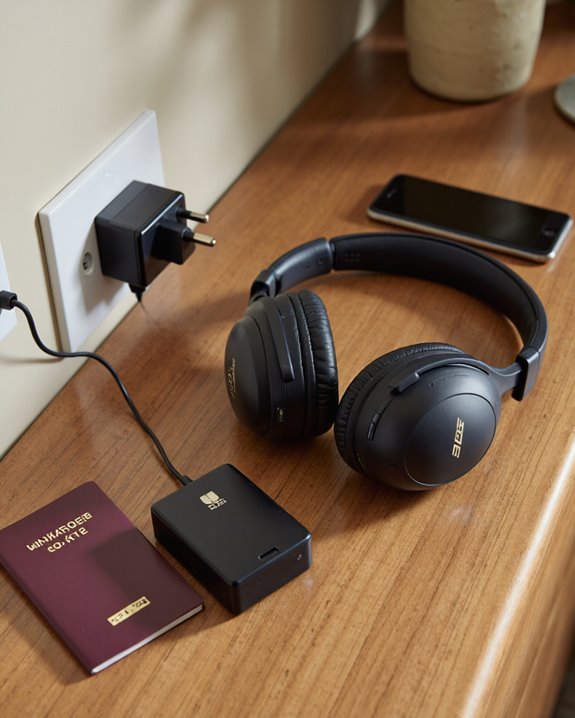
Charging overseas isn’t just about compatibility — it’s about doing it safely too. Most Bose headphones, the QuietComfort series included, support dual voltage (110V–220V), so charging in a new country doesn’t call for a voltage converter. Before you plug in anywhere, glance at the charger’s label to confirm voltage compatibility, and know your model: the QC15 still runs on AA batteries, while most newer pairs use built-in rechargeable batteries. A compatible USB-C cable is essential here, since it’s become the standard across recent Bose releases. Beyond that, a simple prong adapter is usually all you need for a foreign outlet — no converter, no drama. Get this routine down and charging becomes a non-event, wherever the trip takes you.
A Few Extra Precautions for Traveling With Electronics
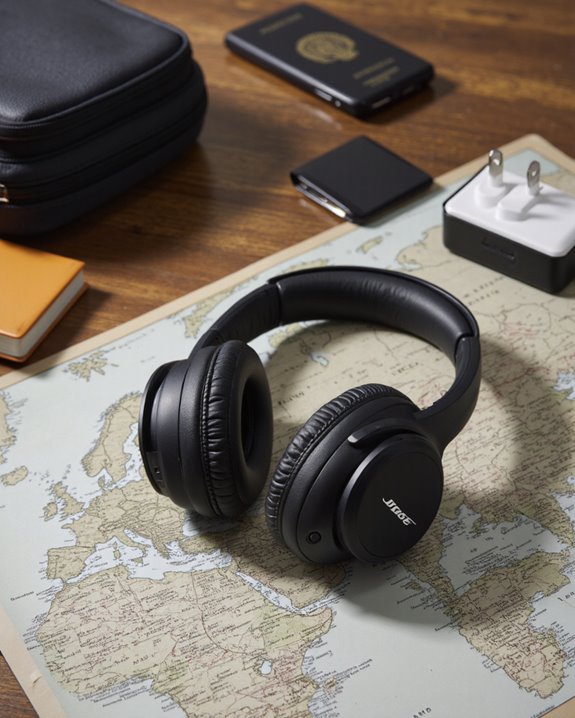
Even frequent flyers get caught out by electrical standards that differ from what they’re used to at home. Since a lot of North American electronics are built for 110V only, it pays to double-check voltage specs before you leave, rather than discover a problem the hard way. A dual voltage travel adapter with several USB ports lets you charge multiple devices at once without babysitting outlets. I’d also toss in a portable surge protector — voltage spikes are more common than you’d expect in some regions, and they can quietly damage sensitive gear like your Bose headphones. If hotel Wi-Fi tends to be weak, a compact Wi-Fi repeater is worth the extra ounce in your bag. And keep every charger and adapter in one dedicated travel pouch — it’s a small habit that saves you from losing or frying something expensive.
Frequently Asked Questions
Are Bose Products Dual Voltage?
Most of them, yes — it’s honestly one of the more traveler-friendly things about the brand. Nearly every current Bose product lists dual voltage support in its specs, but don’t just assume; a quick look at the specific model’s documentation confirms it before you count on it overseas.
Can I Charge My Bose Headphones in Europe?
Yes, without much thought required. Nearly all current models handle European mains power fine, so a plug adapter is typically the only travel accessory you need — not a voltage converter. Still, check your specific model’s rating first just for peace of mind.
Can I Use My Bose Headphones on a Plane on International Flights?
Absolutely — that’s arguably where they shine most. The noise cancellation turns a cramped cabin into something almost peaceful, and if you’re weighing your options before the trip, our guide to the best noise cancelling headphones can help you land on the right pair. Wireless connectivity and long battery life just make the whole flight easier.
Is Bose Soundtouch Dual Voltage?
Some SoundTouch models are, some aren’t — it’s not a blanket yes across the line. Before plugging one in abroad, check the label on your specific unit or dig up official SoundTouch specs rather than assuming compatibility.