As an Amazon Associate, we earn from qualifying purchases. Some links on this site are affiliate links at no extra cost to you. Our recommendations are based on thorough research and editorial judgment.

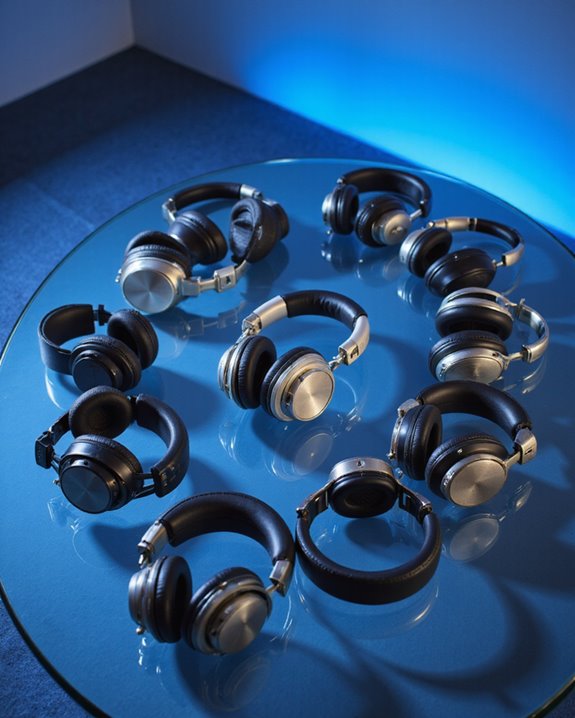
The 10 Best Studio Headphones of 2026 – Professional Quality Sound

Picking the best studio headphones in 2026 comes down to a trade-off most buyers don’t realize they’re making: battery life versus raw accuracy. The Beats Studio Pro gives you 40 hours of wireless freedom, while the Roland VMH-S100 chases pure fidelity with a 5Hz-40kHz frequency response that few wireless cans can match. In between sit value picks like the OneOdio A70 Bluetooth, which somehow squeezes 72 hours of playback out of a mid-range price tag, and the Superlux HD 660PRO, a wired workhorse built around 40mm neodymium drivers. Some of these lean on lossless USB-C streaming, others on old-school 6.35mm jacks and studio-grade isolation. I’ve dug into the specs on all of them below so you can figure out which one actually fits how you record, mix, or monitor.
Key Takeaways
- Serious studio headphones tend to run 40-50mm neodymium drivers with a broad 10Hz-40kHz frequency range – that’s what lets you catch details a cheaper pair would smear over.
- Sony’s MDR7506 and the Roland VMH-S100 are built for accuracy first: closed-back shells that isolate sound rather than flatter it.
- Most modern picks give you both 3.5mm and 6.35mm options, and a fair number use detachable cables so a frayed wire doesn’t mean buying a whole new headphone.
- Long sessions live or die on comfort – memory foam padding, headbands that flex without pinching, and weight low enough that four hours in still feels fine.
- The best studio headphones chase honest, balanced sound over hyped bass or wireless convenience – that’s the whole point of a monitoring headphone.
Beats Studio Pro Wireless Noise Cancelling Headphones
Sale

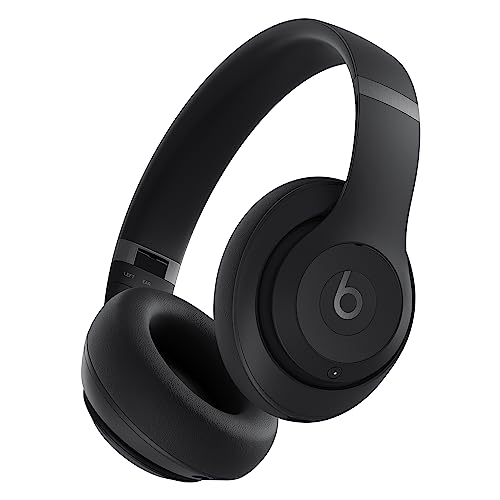
Beats Studio Pro Premium Wireless Over-Ear Headphones- Up to 40-Hour Battery Life, Active Noise...
- INCREDIBLE SOUND: Custom acoustic platform delivers rich, balanced audio for music, calls and everyday listening.
- LOSSLESS AUDIO SUPPORT: USB-C lossless audio and sound profiles optimize music quality across devices and environments. Additional option to use the 3.5 mm cable for a...
- ACTIVE NOISE CANCELLING (ANC): block distractions at work, on flights or during your daily commute. Or use Transparency mode to let the sounds of your environment mix in...

You may be interested

The Beats Studio Pro is proof that a wireless headphone can still hold its own in a studio bag. Its custom acoustic platform pushes rich, layered sound, and the lossless audio capability over USB-C is a genuine step up from typical Bluetooth cans. Three built-in sound profiles plus personalized spatial audio with head tracking round out a feature set that, frankly, punches above what you’d expect at this price.
Noise management here is a two-way street: active noise cancellation for blocking out the world, transparency mode for when you need to hear it again, and voice-targeting mics that keep calls clean. Pairing is effortless across Apple and Android thanks to one-touch pairing, and battery life is where this pair really shines – up to 40 hours total, with Fast Fuel charging squeezing 4 hours of playback out of just 10 minutes on the charger.
Who it’s for: Producers and serious listeners who want premium wireless sound, strong noise cancellation, and a headphone that plays nice with whatever phone or laptop they’re carrying that day.
Pros:
- 40-hour battery life plus Fast Fuel charging that bails you out of a dead battery in minutes
- A genuinely deep feature set – lossless audio, spatial audio, multiple sound profiles
- Works equally well on Apple and Android, no fiddly setup required
Cons:
- The price will sting if you’re on a tight budget
- Casual listeners may find the feature list more than they need
- Lossless audio only works over USB-C, which limits some setups
Superlux HD 660PRO Professional Studio Recording Headphones
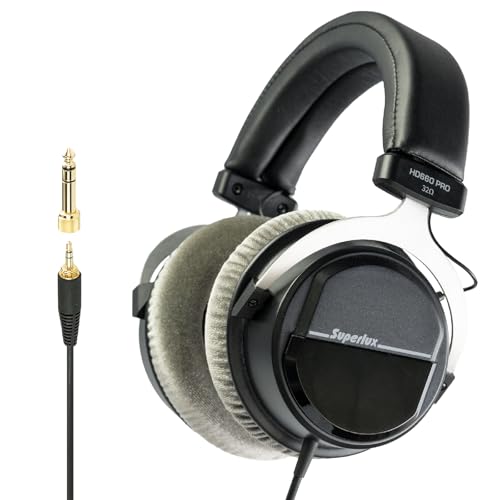
Superlux HD660PRO 32Ω Closed-Back Studio Headphones for Recording, Black
- 【Superior Sound Quality】 Equipped with precision-tuned 40mm Neodymium drivers, these closed-back headphones deliver deep, punchy bass, clear highs, and well-defined...
- 【Everyday Versatility with Professional Sound】The 32Ω impedance strikes the perfect balance between studio-grade audio and on-the-go use. Whether you’re plugged...
- 【Comfort That Lasts】The HD660PRO features an upgraded leather headband and ultra-soft velvet ear pads, giving you a comfortable fit that lasts, whether you're...
If you’re monitoring on a budget, the Superlux HD 660PRO is one of the better values out there. Its 40mm neodymium drivers and wide frequency range of 10Hz-30kHz give you a surprisingly precise read across the spectrum for what it costs.
The closed-back design, paired with 32-ohm impedance and 92dB sensitivity, produces solid low end and clearly defined vocals without letting outside noise bleed in. Comfort is better than most budget pairs manage too – ultra-soft velvet ear pads and an upgraded leather headband make longer sessions bearable. The detachable 8.2ft cable comes with both 3.5mm and 6.3mm ends, though I’d plan on running these through a headphone amp if you want them to really open up.
Who it’s for: Budget-minded engineers, hobbyist producers, and content creators who want dependable monitoring without emptying their wallet.
Pros:
- Balanced, accurate sound across a genuinely wide frequency range
- Velvet ear pads and a leather headband make these comfortable for their price point
- Detachable cable ships with both 3.5mm and 6.3mm connectors
Cons:
- Strain relief feels flimsy and some corners are sharp to the touch
- Sound quality noticeably improves with a dedicated amp
- Build feels less rugged than pricier competitors over the long haul
Audio-Technica ATH-M30x Professional Studio Monitor Headphones, Black
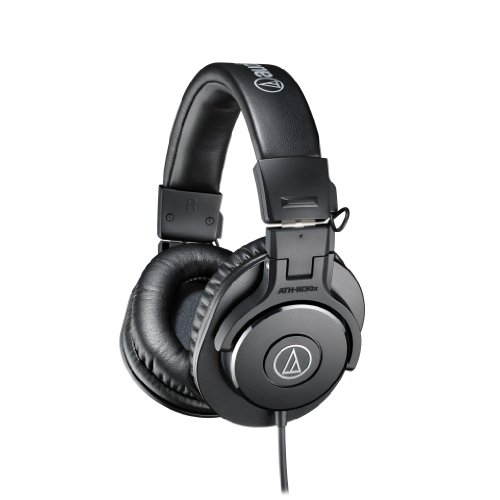
Audio-Technica ATH-M30x Professional Studio Monitor Headphones, Black
- Advanced build quality and engineering
- 40 millimeter drivers with rare earth magnets and copper clad aluminum wire voice coils
- Tuned for enhanced detail, with excellent mid-range definition
The ATH-M30x has been a go-to recommendation for years, and the reasons are pretty simple: 40mm drivers with rare earth magnets and copper-clad aluminum voice coils that deliver impressive audio accuracy for the money.
The circumaural design blocks out a surprising amount of ambient noise, which matters if you’re tracking in a less-than-ideal room, and the collapsible build makes these easy to toss in a bag. A 20 Hz – 20,000 Hz frequency range gives you strong mid-range clarity – not the flashiest spec sheet, but a reliable one. The contoured earcups hold up over long tracking or mixing sessions without turning into an ear-ache.
With a 4.6/5 rating from 11,880 buyers, these Taiwan-made monitors have earned their reputation for durability, even if you’ll probably want to nudge the EQ before they sound their best.
Who it’s for: Producers and engineers who want dependable monitoring with solid isolation and clear mids, without paying a premium for it.
Pros:
- Strong sound isolation and clean mid-range reproduction
- Durable, collapsible build meant to survive being packed and unpacked constantly
- Contoured earcups stay comfortable through long sessions
Cons:
- Factory tuning may need EQ tweaks to sound its best
- Ear cups run a little small for some head shapes
- Can distort a bit if you push the volume too hard
OneOdio Wired Over-Ear Studio Monitor Headphones

OneOdio Wired DJ Hi-Res Over-Ear Headphones for PC, Keyboard Guitar - Black
- Bass Sound: Enjoy clear sound and superior comfort with the OneOdio Studio Monitor Headphones. Equipped with large 50mm speaker drivers and neodymium magnets, pro...
- Built for Comfort: The soft, padded ear cushions are designed to provide long-lasting comfort and effective noise isolation. The adjustable, stretchable headband allows...
- Single-side Monitoring: The 90° swiveling ear cups allow for single-ear monitoring, making it ideal for DJing or mixing. The self-adjusting and flexible headband ensures...
The OneOdio Wired Over-Ear Studio Monitor Headphones hit a sweet spot between capability and price – a solid pick for home-studio owners and content creators who need reliable monitoring without a big outlay.
The 50mm drivers with neodymium magnets push out powerful bass and clean vocals across a 20Hz-40KHz frequency range that’s wider than you’d expect at this cost. The dual-compatibility design covers both 3.5mm and 6.35mm sources, and the 90° swiveling ear cups let you monitor with just one ear, DJ-style. At 415 grams they’re not featherweight, but the padded cushions and adjustable headband keep long sessions comfortable. Currently ranked #1 in DJ headphones, with a 4.4/5 rating from more than 45,000 buyers – that’s not a fluke.
Who it’s for: Home-studio producers, DJs, and creators who want versatile connectivity and solid sound without paying studio prices.
Pros:
- 50mm drivers deliver clear, powerful sound across a wide frequency range
- 3.5mm and 6.35mm compatibility plus a sharing port for flexible setups
- Padded, adjustable design holds up through long mixing sessions
Cons:
- 415 grams is on the heavier side, which some will feel after a few hours
- A handful of users report discomfort over extended wear
- Plastic components give away the budget price point
OneOdio A70 Bluetooth Over-Ear Headphones (72H Playtime)
Sale

OneOdio A70 Bluetooth Over-Ear Headphones, Hi-Res Wired DJ Studio - Black
- Dual Mode and Never Power Off - Enjoy up to 72 hours of playtime in wireless mode, or switch to wired mode using the included two audio jack cables (3.5mm to 6.35mm and...
- High-Resolution Sound Quality by Professional Audio Team - With custom-made aluminum fascia and 40mm neodymium drivers, we bring you powerful bass and dynamic stereo...
- Maximum Comfort and Space-Saving Design - The over-ear, ergonomic design is comfortable for long-lasting wear, with a rotatable and foldable structure for a proper fit...
OneOdio’s A70 punches well above its price bracket. 40mm neodymium drivers push high-resolution audio up to 40 KHz with 110 dB sensitivity – numbers that wouldn’t look out of place on a much pricier pair.
What sets the A70 apart is its dual-mode versatility: Bluetooth 5.2 when you want to move freely, or wired 3.5mm/6.35mm when you need a rock-solid connection. The 72-hour battery life is almost absurd for the category – you could go weeks between charges. Memory foam cushions and protein leather keep the over-ear design comfortable, though it’s worth noting these aren’t water-resistant. At 0.56 pounds, they’re light enough to forget you’re wearing them.
Who it’s for: Producers and audiophiles who want serious battery life and flexible connectivity without paying flagship prices.
Pros:
- 72-hour battery life with both wired and wireless modes on tap
- 40mm neodymium drivers reach up to 40 KHz for detailed high-res sound
- Memory foam and a lightweight build keep long sessions comfortable
Cons:
- No water resistance, so outdoor use is riskier
- Wired mode sounds noticeably different from Bluetooth for some listeners
- Can leak sound a bit at higher volumes
OneOdio A70 Bluetooth Over-Ear Headphones with 72H Playtime
Sale
OneOdio A70 Bluetooth Over-Ear Headphones, Hi-Res Wired DJ Studio - Black
- Dual Mode and Never Power Off - Enjoy up to 72 hours of playtime in wireless mode, or switch to wired mode using the included two audio jack cables (3.5mm to 6.35mm and...
- High-Resolution Sound Quality by Professional Audio Team - With custom-made aluminum fascia and 40mm neodymium drivers, we bring you powerful bass and dynamic stereo...
- Maximum Comfort and Space-Saving Design - The over-ear, ergonomic design is comfortable for long-lasting wear, with a rotatable and foldable structure for a proper fit...
For producers and recording artists chasing value, the OneOdio A70 keeps delivering. The same 40mm neodymium drivers and Hi-Res audio support carry frequencies up to 40 KHz, with 110 dB sensitivity ensuring the sound doesn’t feel thin even at lower volumes.
The dual connectivity options – Bluetooth 5.2 alongside wired 3.5mm and 6.35mm cables – mean you’re never locked into one workflow. That 72-hour battery life takes charging anxiety off the table entirely, and the ergonomic over-ear design with memory foam padding holds up during marathon recording takes. Add a foldable frame and detachable cables, and you’ve got a genuinely portable option for mobile production.
Who it’s for: Producers and audio enthusiasts who want dependable, flexible connectivity at a mid-range price.
Pros:
- 72 hours of wireless playback is hard to beat at this price
- Bluetooth 5.2 plus 3.5mm/6.35mm jacks cover nearly every use case
- 40mm drivers hit 40 KHz for genuinely high-res sound
Cons:
- No water resistance limits outdoor use
- Wired and Bluetooth modes don’t sound perfectly identical
- Sound leakage can be an issue in quiet recording spaces
Sony MDR7506 Professional Large Diaphragm Headphone

Sony MDR7506 Professional Large Diaphragm Headphone
- Neodymium magnets and 40 millimeter drivers for powerful, detailed sound.Specific uses for product : Professional audio system,Home audio system
- Closed ear design provides comfort and outstanding reduction of external noises
- 9.8 foot cord ends in gold plated plug and it is not detachable; 1/4 inch adapter included
Sony’s MDR7506 has been a fixture in professional studios for decades, and it earns that reputation through exceptional audio accuracy and construction that just doesn’t quit. The 40mm neodymium drivers deliver powerful, detailed sound across a 10Hz to 20kHz frequency response – a range engineers trust.
The closed-ear design keeps outside noise where it belongs while staying comfortable through long tracking sessions. You get the practical touches that matter in daily use: a 9.8-foot cord with a gold-plated plug, an included 1/4-inch adapter, and a foldable build that travels well. It even ships with a soft carrying case – a small thing, but a nice one.
Who it’s for: Working engineers, studio musicians, and home users who want proven, accurate sound reproduction that holds up to daily abuse.
Pros:
- Industry-standard accuracy across a wide, trusted frequency range
- Foldable design plus carrying case make these easy to travel with
- Closed-ear comfort holds up through long recording sessions
Cons:
- Non-detachable cable means a damaged cord is a bigger problem
- Looks are strictly utilitarian, not stylish
- The long coiled cable can get in the way outside the studio
OneOdio Wired Over-Ear Studio Monitor Headphones (Budget Pick)
OneOdio Wired DJ Hi-Res Over-Ear Headphones for PC, Keyboard Guitar - Black
- Bass Sound: Enjoy clear sound and superior comfort with the OneOdio Studio Monitor Headphones. Equipped with large 50mm speaker drivers and neodymium magnets, pro...
- Built for Comfort: The soft, padded ear cushions are designed to provide long-lasting comfort and effective noise isolation. The adjustable, stretchable headband allows...
- Single-side Monitoring: The 90° swiveling ear cups allow for single-ear monitoring, making it ideal for DJing or mixing. The self-adjusting and flexible headband ensures...
This affordable take on the OneOdio Wired Over-Ear line delivers real value for entry-level producers and casual listeners who want professional-grade sound without a professional-grade bill.
50mm drivers with neodymium magnets cover 20Hz to 40KHz, with 110dB sensitivity giving you punchy bass and crisp highs. The dual-connectivity design supports both 3.5mm and 6.35mm, and 90° swiveling ear cups let you monitor single-ear when needed. At 415 grams, self-adjusting headbands and soft padding keep things comfortable for extended sessions, though a few users notice some fatigue after 2-3 hours straight.
Who it’s for: Entry-level producers, DJs, and budget-conscious listeners who want solid sound and flexible connectivity without a steep price tag.
Pros:
- Professional touches – 50mm drivers, dual connectivity, swiveling ear cups – at a budget price
- Wide 20Hz-40KHz frequency response with punchy bass and clear highs
- Adjustable headband and padding hold up well for the price
Cons:
- Very long sessions (2+ hours) can cause mild discomfort for some
- 415 grams is heavier than several rivals
- Accessories are basic – don’t expect a premium carrying case
Wired Over-Ear Studio Monitor & DJ Headphones with 50mm Drivers
OneOdio Wired DJ Hi-Res Over-Ear Headphones for PC, Keyboard Guitar - Black
- Bass Sound: Enjoy clear sound and superior comfort with the OneOdio Studio Monitor Headphones. Equipped with large 50mm speaker drivers and neodymium magnets, pro...
- Built for Comfort: The soft, padded ear cushions are designed to provide long-lasting comfort and effective noise isolation. The adjustable, stretchable headband allows...
- Single-side Monitoring: The 90° swiveling ear cups allow for single-ear monitoring, making it ideal for DJing or mixing. The self-adjusting and flexible headband ensures...
For listeners who want uncompromising studio-quality sound without going wireless, these wired over-ear monitors deliver with powerful 50mm neodymium drivers spanning the full 20Hz-20kHz frequency range.
The professional touches keep coming: detachable 3.5mm and 6.35mm connections, 90° swiveling ear cups for single-side monitoring, and a 5.7-6 ft coiled cord that won’t tangle mid-session. The ergonomic design pairs memory foam padding with protein leather ear cups, and the foldable headband makes these easy to pack. At just 260g, they stay comfortable through long mixing marathons – a genuinely good option for DJs, recording artists, and studio pros who want precision without the bulk.
Who it’s for: DJs, studio engineers, and audio enthusiasts who want accurate monitoring and comfortable long-session wear at a reasonable price.
Pros:
- 50mm neodymium drivers deliver crisp, balanced frequency response
- Detachable 3.5mm/6.35mm cables plus swiveling ear cups add real flexibility
- Lightweight at 260g, with memory foam and protein leather keeping long wear comfortable
Cons:
- No Bluetooth, so you’re tied to a cable
- No water resistance rating – handle with care in the studio
- Relies purely on passive isolation, no active noise cancellation
Roland VMH-S100 Hi-Res Music Production Headphones
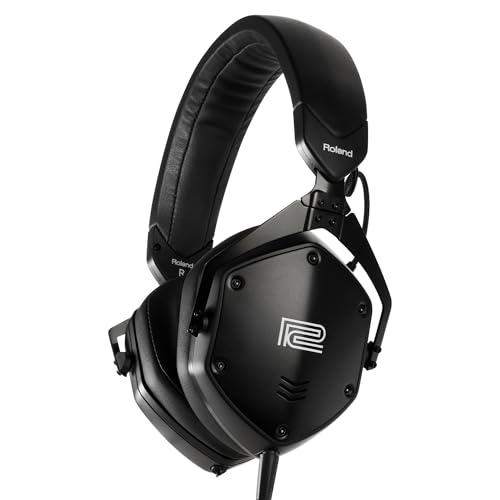
Roland VMH-S100 | Hi-Res Over-Ear Music Production Headphones | Wide Frequency Response | Incredible...
- Over-ear, closed-back headphones with a glorious wide frequency response of 5Hz to 40kHz
- High resolution, clarity of sound localization and incredible sound isolation
- Inspire your creativity, the VMH-S100 are expertly tuned to excel in both monitoring and composing situations
For musicians who want the most accurate monitoring possible, Roland’s VMH-S100 is hard to beat. That frequency response of 5Hz-40kHz is genuinely rare, and these over-ear closed-back monitors deliver high-resolution clarity through precision-tuned 50mm drivers.
3D-sewn replaceable ear pads keep comfort high over long sessions, and the durable metal frame is built to last. The adaptable cable system lets you connect to either ear cup – a small but genuinely useful touch – while superior sound isolation keeps you locked in on the mix rather than the room around you. Built in Thailand under Roland’s usual quality control, these are engineered specifically for monitoring and composing, not casual listening.
Who it’s for: Musicians, producers, and engineers who prioritize monitoring accuracy above almost everything else.
Pros:
- 5Hz-40kHz frequency response is exceptional for high-resolution monitoring
- Metal frame plus replaceable ear pads mean these are built to last
- Cable attaches to either ear cup for flexible setups
Cons:
- Priced like the professional tool it is
- Wired-only, so mobility takes a hit
- At 1.39 pounds, heavier than several competitors
How to Choose the Best Studio Headphones for Your Setup
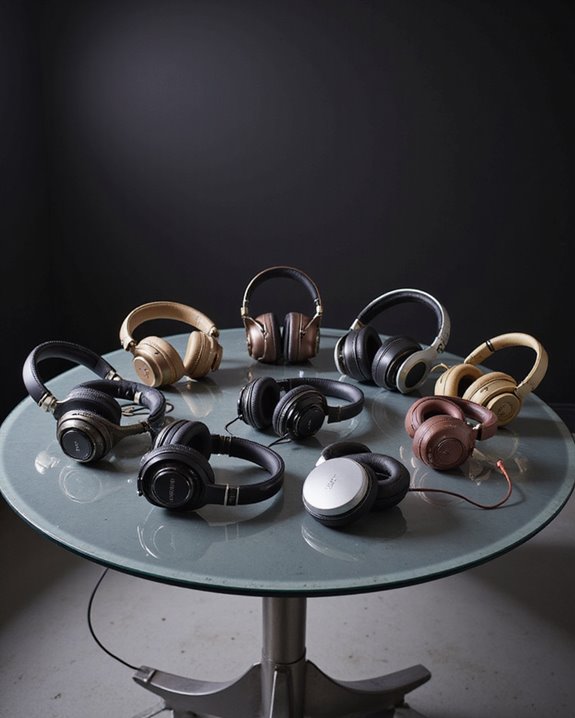
Choosing studio headphones for professional work means weighing a handful of factors that directly affect how well you can monitor and mix. Prioritize accurate sound reproduction with a flat frequency response (20Hz-20kHz), comfort for long sessions through adjustable headbands and breathable cushions, and build quality that holds up – think aluminum and steel, not just plastic. Beyond that, look at practical details like detachable cables with both 1/4″ and 1/8″ options, and noise isolation measured honestly in decibels rather than marketing copy.
Sound Quality and Response
Frequency response is really the whole ballgame when picking professional studio headphones. Look for models spanning 5 Hz to 40 kHz – that range is what lets you hear everything from sub-bass rumble to shimmering highs.
Chase flat frequency response characteristics that give you neutral, uncolored sound, because that accuracy is what your mixes depend on. Check total harmonic distortion (THD) too – under 0.1% keeps things clean. Sensitivity of 92 dB or higher gives you finer volume control, and an impedance around 32 ohms plays nicely with most studio gear without needing extra amplification.
Comfort and Ergonomic Design
Great sound doesn’t matter much if your headphones start hurting after an hour. Physical design has a bigger effect on your workflow than most people expect going in.
Look for adjustable headbands that spread weight evenly instead of pinching one spot on your skull. The best pairs weigh under a pound and use breathable ear cushions that don’t turn your ears into a sauna two hours in. Swiveling ear cups matter too, especially if you do any single-ear monitoring for tracking or DJ work.
Padded, impact-absorbing headbands that stay put without squeezing are worth seeking out – they keep the headphones secure through long sessions without the discomfort that comes with a too-tight fit.
Durability and Build Materials
How your headphones are built determines how long they’ll last and how consistently they’ll perform. Look for metal or reinforced plastic frames – they shrug off daily handling far better than flimsy plastic that fatigues after repeated adjustments.
Material quality shows up over time, not on day one. Aluminum and dense polymer construction hold up to impacts, and premium leather or dense foam ear pads keep their shape long after cheaper foam has flattened out. If you’re eyeing a foldable model, check the hinges closely – that’s usually the first thing to fail.
For the longest lifespan, pick headphones with treated or non-porous surfaces that resist sweat and moisture – a real concern if you’re wearing these for hours at a time.
Connectivity and Cable Options
Connectivity is an underrated factor in how versatile your studio headphones actually are. Wired connections through 3.5mm or 6.35mm jacks remain the standard for professional work because they’re reliable and don’t introduce latency.
Favor models with detachable cables – you can swap in a different length or replace a worn cord without buying a new headphone. Cable lengths typically run 3 to 9+ feet, so think about your actual studio setup before choosing. Adapters covering both 3.5mm and 6.35mm are a nice bonus for compatibility across your gear. Single-side cable exits and flexible cable routing are especially handy for single-ear monitoring work.
Noise Isolation Capabilities
Noise isolation matters more than people give it credit for – it’s what lets you catch subtle details in a mix instead of fighting through room noise. Closed-back designs isolate best, sealing out interference while keeping your own sound from leaking into the room.
Look for thick, well-sealed ear pads that can deliver 20-30 dB of noise reduction. Passive isolation handles higher frequencies well through sheer physical construction, and some premium models add active noise cancellation to knock down lower-frequency rumble too. Fit matters enormously here – even a small gap around the ear pad can undercut isolation, so it’s worth actually trying a pair on before committing.
Frequently Asked Questions
Can Studio Headphones Be Used for Gaming and Movie Watching?
Absolutely – studio headphones work great for gaming and movies. Expect exceptional audio clarity, accurate reproduction, and a wider soundstage that helps with spatial awareness in games and film alike. They won’t give you the exaggerated bass thump of a dedicated gaming headset, but the neutral, detailed sound makes footsteps and dialogue easier to pick out. The build quality and comfort tend to be a step up too.
How Often Should Professional Studio Headphones Be Replaced?
Plan on replacing professional studio headphones roughly every 3-5 years under regular use, though maintenance and how hard you push them shifts that window. Watch for warning signs like duller audio, distorting drivers, or visible wear on ear cups and headbands. If you’re logging 4-6 hours a day professionally, expect to swap them closer to the 2-3 year mark. Cleaning them regularly and storing them properly genuinely extends their life.
Are Studio Headphones Suitable for Outdoor Use and Commuting?
Not really, despite the excellent sound quality. Their bulky build, longer cables, and lack of wireless or noise-cancelling features make them awkward for life on the move. They’re also more exposed to weather and knocks than headphones built for commuting. And since many studio models use open-back designs and a flat frequency response, they won’t do much to block out street noise anyway.
What’s the Difference Between Closed-Back and Open-Back Studio Headphones?
Think of it like a recording booth versus a concert hall. Closed-back designs seal around your ears completely, blocking sound leakage and outside noise – ideal for recording so the mic doesn’t pick up bleed. Open-back headphones use perforated ear cups that let air and sound move freely, producing a more natural, spacious soundstage that’s great for mixing. The trade-off: anyone nearby can hear what you’re listening to.
Can I Connect Studio Headphones to Musical Instruments Directly?
Yes, for most electronic instruments – digital pianos, synths, electronic drums – you can plug straight into their built-in headphone outputs (usually 1/4″ or 1/8″ jacks). Acoustic or electric instruments without a headphone port will need an audio interface or amplifier in between. Most studio headphones sit in the 32-250 ohm impedance range, so they’ll work fine with instrument outputs, though higher-impedance models may need a bit more amplification to really sing.