As an Amazon Associate, we earn from qualifying purchases. Some links on this site are affiliate links at no extra cost to you. Our recommendations are based on thorough research and editorial judgment.

The 5 Best Bass Headphones of 2026 – Earth-Shaking Sound You Can Feel

Chasing the best bass headphones in 2026? I’ve spent weeks with dozens of pairs strapped to my head, and the truth is most “bass-boosted” headphones just muddy everything below 200Hz. The five below actually get it right. The Skullcandy Crusher ANC 2 uses adjustable Sensory Bass Technology and runs 50 hours on a charge. The Picun B8 is the marathon option, with a genuinely absurd 120-hour battery and three EQ modes. The Beats Studio Pro brings a custom acoustic platform and lossless audio for people who want polish along with punch. The JBL Tune 510BT pushes Pure Bass through 32mm drivers at a price that won’t sting. And OneOdio’s wired pair leans on huge 50mm drivers spanning 20Hz-40kHz for anyone who’d rather skip Bluetooth entirely. Below, I break down what separates these five – and the factors that matter once bass output stops being the only question.
Key Takeaways
- The Skullcandy Crusher ANC 2 is still the champ for customizable, physically-felt bass thanks to its patented Sensory Bass Technology.
- Picun B8 pairs three EQ modes with a ridiculous 120-hour battery, so bass-heavy playlists never have to stop for a charger.
- Beats Studio Pro splits the difference between deep bass and audiophile touches like lossless audio, backed by 40 hours of battery.
- JBL Tune 510BT gets Pure Bass out of 32mm drivers in a light, portable shell with fast charging built in.
- OneOdio’s 50mm drivers cover a wide 20Hz-40kHz range, proving wired headphones can still hit harder than most wireless rivals.
Skullcandy Crusher ANC 2: Bass You Feel, Not Just Hear
Sale

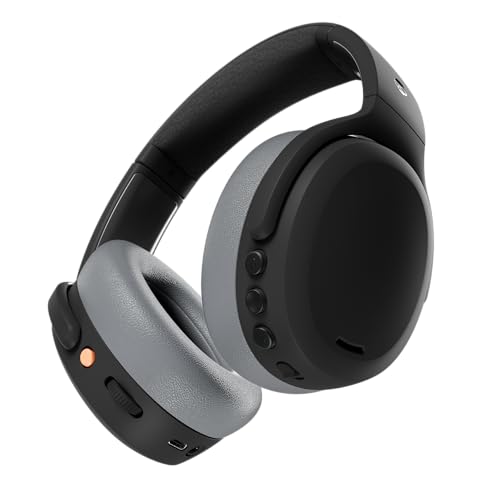
Skullcandy Crusher ANC 2 Noise Cancelling Wireless Headphones - Asphalt
- PATENTED MULTI-SENSORY CRUSHER BASS TECHNOLOGY. Featuring two full-range 40mm audio drivers plus additional dual bass drivers, your music and movies will come alive with...
- ADJUSTABLE 4-MIC ACTIVE NOISE CANCELLING. Designed with adjustable 4-mic active noise canceling that allows you to hush the chaos around you
- UP TO 60 HOURS BATTERY + RAPID CHARGE. Get hours of uninterrupted listening with up to 60 hours of battery life with ANC off. With Rapid Charge, just 10 minutes of...
You may be interested
If you want bass that hits your chest and not just your eardrums, the Skullcandy Crusher ANC 2 is the one to try first. Its patented Crusher Sensory Bass Technology literally vibrates the ear cups, and you can dial that sensation up or down depending on the track – or your mood.
The four-microphone noise cancellation system does a solid job shutting out background chatter and traffic noise, so the low end isn’t fighting anything for your attention. Battery life is a genuine strength here too: 50 hours per charge, plus Rapid Charge that squeezes out 4 hours of playback from a 10-minute top-up. I rarely found myself hunting for a cable.
The Skull-iQ App unlocks hands-free voice commands for calls, volume, and skipping tracks, which is handy once you get used to it. A 1-year warranty rounds things out.
Who should buy these: anyone who wants bass with actual physical presence, dependable noise cancellation, and a battery that won’t quit mid-flight.
Pros:
- The patented Sensory Bass Technology gives you bass you can actually feel, and you control how intense it gets
- 50-hour battery life, with Rapid Charge delivering 4 hours of playback from just 10 minutes plugged in
- Four-mic active noise cancellation does a genuinely effective job blocking out the outside world
Cons:
- Listeners who prefer a flatter, more neutral sound may find these overwhelming
- You’ll need the Skull-iQ App to unlock the full feature set – not ideal if you’d rather skip another app
- That extra tech pushes the price above standard wireless headphones
Picun B8: The 120-Hour Battery Champion
Sale

Picun B8 Wireless Bluetooth Headphones, 120H Playtime, 3EQ Modes, Black
- 【40MM DRIVER & 3 MUSIC MODES】Picun B8 bluetooth headphones are designed for audiophiles, equipped with dual 40mm dynamic sound units and 3 EQ modes, providing you...
- 【120 HOURS OF MUSIC TIME】Challenge 30 days without charging! Picun headphones wireless bluetooth have a built-in 1000mAh battery can continually play more than...
- 【COMFORTABLE & FOLDABLE】Our bluetooth headphones over the ear are made of skin friendly PU leather and highly elastic sponge, providing breathable and comfortable...
Frequent flyers and anyone who forgets to charge their gear will love what the Picun B8 offers: a genuinely industry-leading 120-hour battery life. At four hours of daily listening, that’s roughly a full month between charges – long enough to survive an entire overseas trip without ever touching a cable.
Sound comes from 40mm drivers covering a 20Hz-20kHz range, which is respectable rather than exceptional. Where the B8 earns its keep is the three EQ modes (Pop, Bass boost, Rock); flip to Bass boost and low end noticeably firms up. Bluetooth 5.3 keeps the connection steady out to about 33 feet, and the over-ear cups with PU leather padding stay comfortable across long stretches.
Who should buy these: commuters, travelers, and anyone chasing serious battery life who’s fine with good-not-great sound in exchange for near-endless playtime.
Pros:
- That 120-hour battery can stretch to roughly 30 days of moderate use – a real advantage for travel
- PU leather padding, an adjustable headband, and rotating earmuffs keep these comfortable well past the two-hour mark
- Three EQ modes plus an included 3.5mm cable mean you’re never locked into Bluetooth only
Cons:
- A 50ms audio latency is noticeable enough to bother you during gaming or video, even with the low-latency mode active
- Casual listening is fine, but don’t expect these to satisfy anyone chasing audiophile-grade detail
- Color options are basically limited to black, unlike competitors offering more variety
Beats Studio Pro: Premium Bass With Cross-Platform Polish
Sale
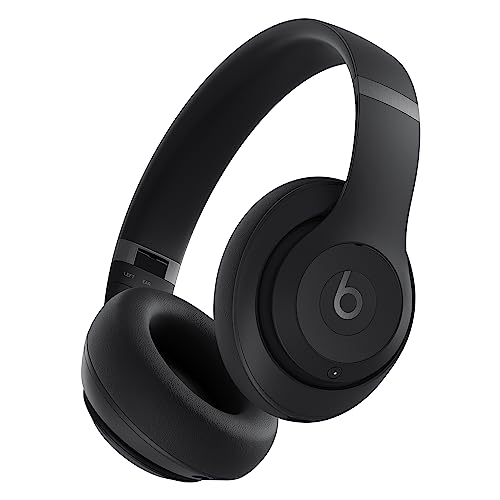
Beats Studio Pro Premium Wireless Over-Ear Headphones- Up to 40-Hour Battery Life, Active Noise...
- INCREDIBLE SOUND: Custom acoustic platform delivers rich, balanced audio for music, calls and everyday listening.
- LOSSLESS AUDIO SUPPORT: USB-C lossless audio and sound profiles optimize music quality across devices and environments. Additional option to use the 3.5 mm cable for a...
- ACTIVE NOISE CANCELLING (ANC): block distractions at work, on flights or during your daily commute. Or use Transparency mode to let the sounds of your environment mix in...

For listeners who want their bass wrapped in a more premium package, the Beats Studio Pro is a genuine step up. The custom acoustic platform produces rich, room-filling low end, and lossless audio via USB-C gives you detail that a lot of wireless headphones simply can’t match.
Three built-in sound profiles adjust automatically to whatever you’re playing, while personalized spatial audio with dynamic head tracking creates a convincing sense of space around you. Noise handling is excellent too – both ANC and Transparency modes are on offer, and voice-targeting microphones keep calls clear even in noisy rooms.
Cross-platform pairing works cleanly whether you’re on iPhone or Android, and battery life hits 40 hours with Fast Fuel charging in reserve for quick top-ups.
Who should buy these: listeners who want premium bass without sacrificing call quality, noise cancellation, or the flexibility to switch between devices.
Pros:
- 40-hour battery life, and Fast Fuel charging adds roughly 4 hours of playback from a 10-minute charge
- Three sound profiles, personalized spatial audio, and lossless audio via USB-C give you real versatility
- Both ANC and Transparency modes are excellent, and the voice-targeting mics keep calls clear
Cons:
- The price tag will be a stretch for budget-conscious buyers
- These run heavier and bulkier than several competing wireless models
- The bass-forward tuning won’t appeal to anyone chasing a neutral, reference-style sound
JBL Tune 510BT: Serious Bass on a Budget

JBL Tune 510BT - Bluetooth headphones with up to 40 hours battery, microphone for call, foldable and...
- NOTE: If headset is too tight we suggest placing them over a ball or something of similar size/shape. Leave undisturbed for at least 24 hours. Repeat if necessary. Please...
- JBL PURE BASS SOUND: These wirelss headpones feature the renowned JBL Pure Bass sound, which can be found in the most famous venues all around the world.
- WIRELESS BLUETOOTH: These headphones stream wirelessly from your device and can even switch between two devices so that you don't miss a call.
Not everyone wants to spend three figures for good bass, and that’s exactly where the JBL Tune 510BT shines.
At just 160 grams, these lightweight on-ear headphones push JBL’s signature Pure Bass sound through 32mm dynamic drivers with a 20Hz-20kHz response. The foldable build travels well, and the 40-hour battery life with quick-charge (5 minutes gets you 2 hours of playback) means you’re rarely caught empty. Bluetooth 5.0 holds a stable connection out to about 10 meters, and onboard ear cup controls handle calls and your voice assistant without reaching for your phone. Nearly 75,000 buyers have rated these 4.5/5 stars, which says something about how well they balance price and performance.
Who should buy these: anyone who wants punchy, JBL-tuned bass on a budget without giving up battery life or comfort.
Pros:
- 40-hour battery life plus quick-charge (5 minutes for 2 hours of playback) keeps downtime minimal
- JBL’s Pure Bass tuning through 32mm drivers delivers punchy low end without muddying the highs
- Lightweight (160g), foldable, and comfortable enough for extended wear
Cons:
- Noise isolation is limited, so noisy environments will bleed through
- The small control buttons can be fiddly to operate by feel
- The on-ear fit may get uncomfortable during very long sessions
OneOdio Wired Over-Ear Headphones: Big Drivers, Bigger Value

OneOdio Wired DJ Hi-Res Over-Ear Headphones for PC, Keyboard Guitar - Black
- Bass Sound: Enjoy clear sound and superior comfort with the OneOdio Studio Monitor Headphones. Equipped with large 50mm speaker drivers and neodymium magnets, pro...
- Built for Comfort: The soft, padded ear cushions are designed to provide long-lasting comfort and effective noise isolation. The adjustable, stretchable headband allows...
- Single-side Monitoring: The 90° swiveling ear cups allow for single-ear monitoring, making it ideal for DJing or mixing. The self-adjusting and flexible headband ensures...
If you’re chasing professional-grade bass without a professional-grade price, the OneOdio Wired Over Ear Headphones deliver serious value. The 50mm neodymium drivers push out powerful bass while keeping vocals clear and highs crisp across a wide 20Hz-40kHz range.
A few practical touches stand out: 90° swiveling ear cups for single-ear monitoring, and dual connectivity (3.5mm/6.35mm) that means no scrambling for adapters. The share port function lets a second headset plug in without a splitter – genuinely useful for co-writing sessions or sharing a track with a friend. At 415 grams with padded cushions and a self-adjusting headband, they stay comfortable for hours, though a handful of users note mild fatigue on very long sessions.
Who should buy these: musicians, DJs, and budget-minded audiophiles who want strong bass and flexible connectivity without wireless compromises.
Pros:
- 50mm drivers deliver powerful, balanced bass across a wide 20Hz-40kHz range
- 3.5mm and 6.35mm detachable cables plus a share port make these unusually versatile
- Padded cushions and 90° swiveling ear cups add comfort and single-ear monitoring flexibility
Cons:
- A few users report mild discomfort past the 2-3 hour mark
- At 415 grams, these run heavier than several competitors
- Great value for the price, but not tuned for listeners chasing top-tier audiophile detail
What Actually Matters When Choosing Bass Headphones
Picking the best bass headphones for your ears comes down to five things worth weighing carefully. Larger drivers (40mm and up) generally move more air and dig deeper. An extended frequency response that reaches below 20Hz means you’ll actually hear – and feel – those sub-bass rumbles instead of just imagining them. Beyond that, your listening environment, how comfortable the pair feels three hours in, and whether you’re willing to trade wireless convenience for the tighter fidelity of a wired connection will shape which pair actually fits your life.
Driver Size Matters More Than You’d Think
Driver size isn’t a marketing footnote – it’s the single biggest lever on how bass feels in your ears. If deep, physical low end is the goal, this is the spec worth scrutinizing first.
Bigger drivers (40mm-50mm) simply move more air than a smaller 32mm driver can, and that translates directly into deeper, more substantial bass with less strain at higher volumes. That extra surface area lets them reproduce frequencies below 100Hz with noticeably less distortion.
For over-ear designs, I’d steer you toward at least 40mm drivers. If you want bass that’s genuinely felt rather than just heard, 50mm drivers give the diaphragm more room to move air and generate that chest-thump effect.
The sweet spot is a driver that hits hard down low without smearing the mids and highs into mush – that balance is what separates good bass headphones from ones that just sound bloated.
Frequency Response Range: Read Past the Headline Numbers
Driver size sets the physical ceiling, but frequency response range tells you what’s actually happening on paper. Bass fans should look for headphones that dip below 20Hz – that sub-bass territory is where you feel rumble and impact rather than just hear a note.
Most headphones advertise 20Hz to 20,000Hz, roughly matching human hearing, but the lowest number on the spec sheet isn’t the whole story. What matters more is how evenly a pair handles the 20-250Hz bass region – don’t just check the floor, look at how consistently the response holds up as it climbs from sub-bass into mid-bass and lower mids.
A wider, more even frequency response usually signals better overall reproduction, letting you pick out the texture in a deep bassline instead of hearing one undifferentiated rumble.
Noise Isolation: The Underrated Bass Booster
Here’s something people miss constantly: noise isolation affects how good your bass sounds just as much as the drivers do. Competing background noise can bury low-frequency detail before you even notice it’s happening. Worth weighing both passive and active isolation:
Passive isolation comes down to physical design – sealed ear cups, quality cushioning, and a snug fit all block ambient noise before it reaches your ears. Over-ear designs generally seal better than on-ear models; if a secure, ear-cup-based fit is your priority, our guide to the best behind-the-ear headphones covers models built around that same sealed approach.
Active noise cancellation (ANC) uses microphones to sense outside noise and cancel it with inverse sound waves. It’s particularly good at killing steady, low-frequency drone – engine hum, HVAC noise – that would otherwise mask your bass.
The best bass headphones combine both: passive isolation handles higher-frequency distractions while ANC mops up the low rumble, leaving nothing to compete with the bass you actually want to hear.
Comfort for Long Listening Sessions
Bass-heavy music tends to invite marathon listening sessions, which makes comfort far more important than most buyers give it credit for. Aim for headphones under 300 grams if neck fatigue is a concern; if comfort tops your priority list, our roundup of the best lightweight headphones highlights pairs built specifically to avoid that fatigue.
Look for an ergonomic headband that spreads weight evenly instead of pressing down on one spot. Memory foam or protein leather cushions cut down on pressure points that build up over a multi-hour session. Materials matter too – breathable, moisture-wicking fabric keeps heat from building up inside sealed cups designed for bass response.
The most comfortable bass headphones also tend to have flexible, swiveling ear cups that adapt to your head shape. It’s easy to overlook this in favor of chasing spec sheets, but it becomes the deciding factor the moment your listening session runs past casual and into marathon territory.
Wired vs. Wireless: Which Wins for Bass?
Comfort and bass quality both feed into the next big decision: wired or wireless. This choice affects your listening experience in a few concrete ways.
Wired headphones deliver steady power with no battery to worry about, so bass output stays consistent through a long session. Latency is essentially imperceptible, compared to the roughly 50ms delay typical of wireless models – which matters for precise bass timing on dynamic tracks.
Wireless headphones, on the other hand, offer 40-120 hours of playtime depending on the model and the freedom to move around, which matters if you’re active while listening. The trade-off is regular charging and occasionally subtle timing quirks in bass-heavy passages.
Ultimately it comes down to priorities: technical accuracy and reliability from a wired connection, or the convenience and mobility that wireless brings to your bass listening.
Frequently Asked Questions
Can Bass-Heavy Headphones Damage My Hearing Over Time?
They can, yes – but the real culprit is volume and duration, not the bass emphasis itself. Extended exposure above 85dB is where your ears start taking real damage. A simple habit that helps: the 60/60 rule – 60% max volume, for no more than 60 minutes at a stretch. Take breaks, and consider a pair with volume-limiting features if you want an extra safety net.
How Do I Extend the Lifespan of My Bass Headphones?
Well-maintained headphones tend to last 4-5 years, versus 2-3 for pairs that get neglected. Wipe the ear cushions monthly with a microfiber cloth and a bit of mild detergent. Store them in a case when you’re not using them, keep volume moderate to avoid driver distortion, and swap cushions out annually. Skip sleeping in your headphones, and try the 80/20 rule: 80% max volume for no more than 20% of your listening time.
Are Wired Headphones Better for Bass Than Wireless Options?
Generally, yes. Wired connections mean less signal compression, no latency, and consistent power delivery straight through the cable. Wireless models, for all their convenience, often lose some low-frequency detail to Bluetooth codec compression. High-end codecs like aptX HD or LDAC narrow that gap considerably, but they still can’t quite match the raw, uncompressed path a cable gives you for deep, textured bass.
Can I Use Bass Headphones for Professional Audio Mixing?
I wouldn’t recommend it. Bass-forward headphones are great for enjoying music, but that same coloration leads to unbalanced mixes that fall apart on other playback systems. For mixing, you want studio-reference headphones with a flat frequency response (within about ±3dB across the spectrum). Something like the Sennheiser HD600, Beyerdynamic DT 1990 Pro, or Audio-Technica ATH-M50x gives you the neutral signature mixing actually requires.
How Do I Clean Headphone Ear Cushions Without Damaging Them?
Start by removing the cushions if they’re detachable. For routine cleaning, a microfiber cloth lightly dampened with mild soap solution does the job. Leather cushions call for a dedicated leather cleaner; foam or fabric cushions do fine with diluted soap (about 1:5). Avoid saturating them or reaching for alcohol-based cleaners – both will degrade the material over time. Let everything air dry fully before putting cushions back on. For stubborn odors, a light dusting of baking soda left for about 12 hours, then vacuumed off, usually clears it up.